.svg&w=384&q=75 "Pitchgist logo")
England's World Cup Exit: Tuchel's Cautious Strategy Criticized
England’s World Cup dream died in Atlanta on Wednesday night, and it died with a familiar accusation ringing in Thomas Tuchel’s ears: too cautious, too soon.
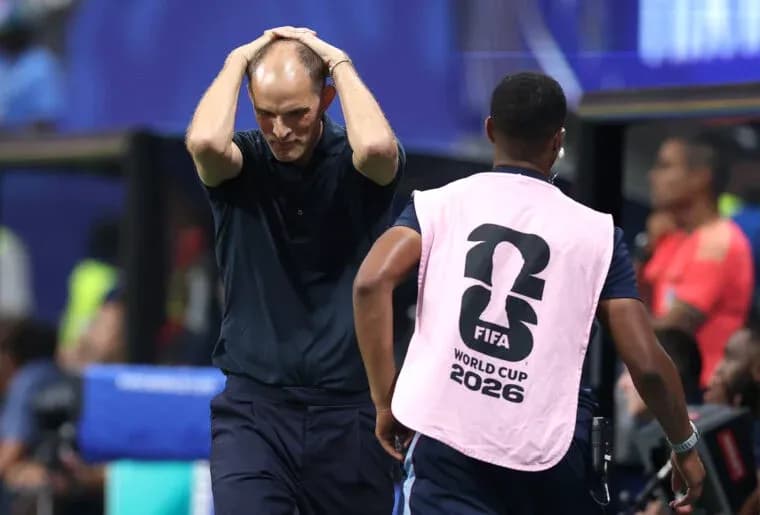
A 2-1 defeat to Argentina at the Atlanta Stadium ended England’s charge towards the final and triggered an immediate storm around the German coach’s game management, particularly his decision to shut things down after Anthony Gordon’s 55th-minute opener.
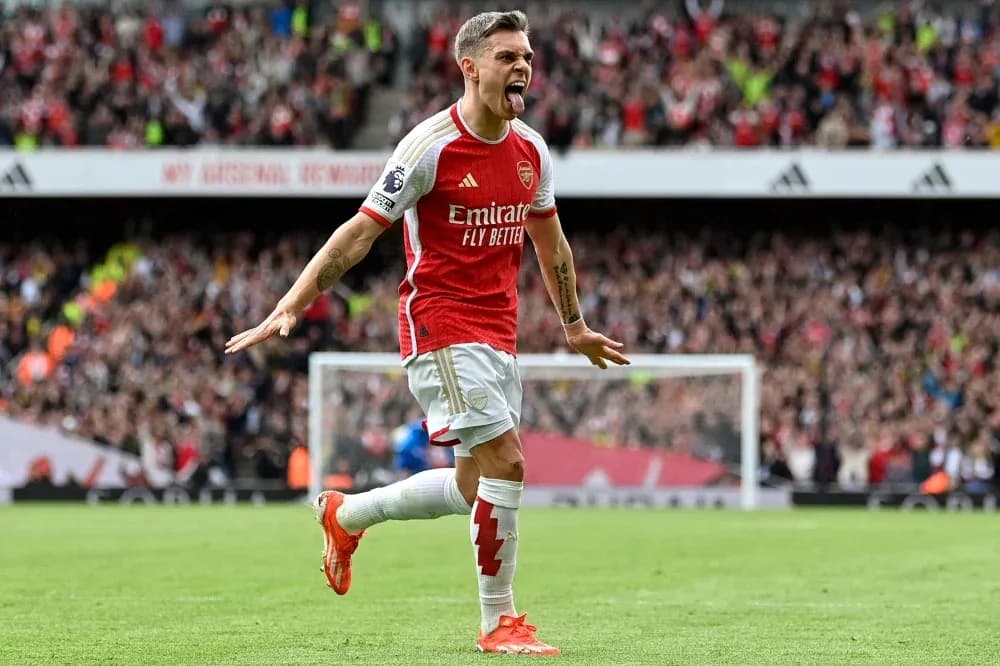
For a brief spell, it felt like England had one foot in the final. Gordon’s strike lit up the stadium, a sharp finish that crowned a spell of controlled pressure and seemed to justify their pre-tournament billing as one of the favourites. The Three Lions had navigated a tricky route to get here. They had looked the part.
Then came the turn.
Tuchel, renowned for his tactical discipline, responded to the breakthrough by tightening England’s shape and dropping the line. The message was clear: protect what we have. Fans inside the ground saw it. So did pundits around the world. The aggression that had carried England through the knockouts faded, replaced by a more conservative posture that invited Argentina on.
The pressure eventually told. England, who had previously ridden out storms against high-calibre opposition, could not hold this time. A place in the World Cup final slipped away, and with it the chance to turn a strong tournament into something historic.
The backlash was instant. Tuchel’s approach after the goal drew heavy criticism, with many arguing that this England side, packed with attacking talent and brimming with confidence, should never have been asked to retreat. The narrative wrote itself: bold on the way up, timid when it mattered most.
Yet behind the noise, his job is not under threat.
According to BBC Sport, the Football Association remains firmly behind Tuchel and intends for him to lead England into Euro 2028. There is no appetite for upheaval. No search for a scapegoat. Just a belief that the man they chose in January 2025 is still the right one to guide a squad entering its prime years.
Tuchel, 52, arrived on a contract designed to carry him through this World Cup cycle. His work in reshaping the team’s identity and sharpening their competitive edge persuaded the FA to move early. In February, months before a ball was kicked in this tournament, he signed a two-year extension taking him through to Euro 2028.
This World Cup run explains why.
England came into the competition under real pressure, not just talked up as contenders but expected to behave like them. They opened with a statement, a 4-2 demolition of Croatia that showcased their attacking range and hinted at something more ruthless than previous generations.
The group stage, though, was not all smooth. Performances against Ghana and Panama sagged below that early standard. England got through, but without the same swagger. Questions surfaced about consistency, about whether this side could sustain the intensity required to go deep.
The response in the knockouts was emphatic.
Against DR Congo, England found a harder edge, managing the occasion with maturity and control. Then came their standout performance at the Estadio Azteca, a masterclass that produced a memorable victory over Mexico. It was the kind of display that changes how a team is viewed: not just talented, but tactically sharp, emotionally resilient, and dangerous on the biggest stages.
Norway posed another awkward test. England handled it with authority, coming through “with flying colours” and carrying real momentum into the semi-final. By the time they lined up against Argentina, they looked like a team growing into the tournament, not fading from it.
That is what makes the manner of this exit so jarring. England were on course. Gordon’s goal felt like the natural next step in a campaign building towards a final. Instead, the shift in approach after the breakthrough will linger in the post-mortem.
Yet the FA’s stance is clear: this is not the end of a project, but a painful chapter within it. Tuchel has taken England close, and Euro 2028 now looms as both an opportunity and a demand. The expectation will not soften. The squad will not be dismantled. The manager will stay.
The question is whether this semi-final defeat becomes a scar that drags them down, or the lesson that finally hardens them into champions.