.svg&w=384&q=75 "Pitchgist logo")
Thomas Tuchel's Gamble Fails as England Retreat Against Argentina
Thomas Tuchel came to this World Cup as England’s gambler-in-chief. He picked a squad few others would have dared to take. He rode out a backs-to-the-wall win over Mexico. He started Morgan Rogers in a World Cup semi-final because of “a feeling from the coach”.
For a while, it looked like the roulette wheel was landing on his number again.
The script was perfect. Rogers, the surprise pick, surged down the left and picked out Anthony Gordon. One clean finish, one vindication of Tuchel’s instinct. England were ahead, 1-0 up on Argentina, 20-odd minutes from a World Cup final. The first draft of history was being written.
Then came the 71st minute.
The change that changed everything
Gordon’s number went up. Ezri Konsa’s went up with it. England dropped into a back five against the reigning world champions, with more than 20 minutes still to play.
It is easy to tear that decision apart after the fact. The truth is, it felt wrong in real time.
The pattern was already worrying. England had scored first again – just as they so often do when it matters most. They have now taken the lead in seven of the 13 knockout games they have lost in the last 30 years. They are the only team this century to have led in a World Cup semi-final and failed to reach the final. They have now done it twice.
You could feel that history as Argentina tightened the screw. In the 15 minutes after Gordon’s goal, England saw just 17 per cent of the ball. Nine touches in the Argentina half. Nine. The freeze was setting in, but it was not yet fatal. Aside from Nico Gonzalez’s header, Jordan Pickford had not been seriously worked.
That was the moment to hold nerve. Tuchel blinked.
By introducing Konsa and retreating into a 5-4-1, he doubled down on England’s anxiety and stripped away their most direct outlet. Gordon, who had given Argentina’s right side something to think about, was gone. The message to Lionel Messi and company was unmistakable: have the ball, come and break us.
They did.
England retreat, Argentina advance
On paper, Tuchel’s idea was familiar. A 3-4-3 with Djed Spence and Reece James flying high, snapping into space, turning defence into attack. In practice, it never existed.
From the moment of the reshuffle to Lautaro Martinez’s winner, England’s numbers collapsed. Possession dropped to 7.2 per cent. They managed eight touches in Argentina’s half. Not one cross. Not one meaningful spell of pressure.
Rogers, who had just delivered the assist of his life and was moved infield to play off Harry Kane and Jude Bellingham, touched the ball once in that period. Once. James and Spence, supposedly the release valves, combined for a single touch in the Argentina half for the rest of the game.
Konsa, brought on to steady things, never won the ball back for England. He lost it five times.
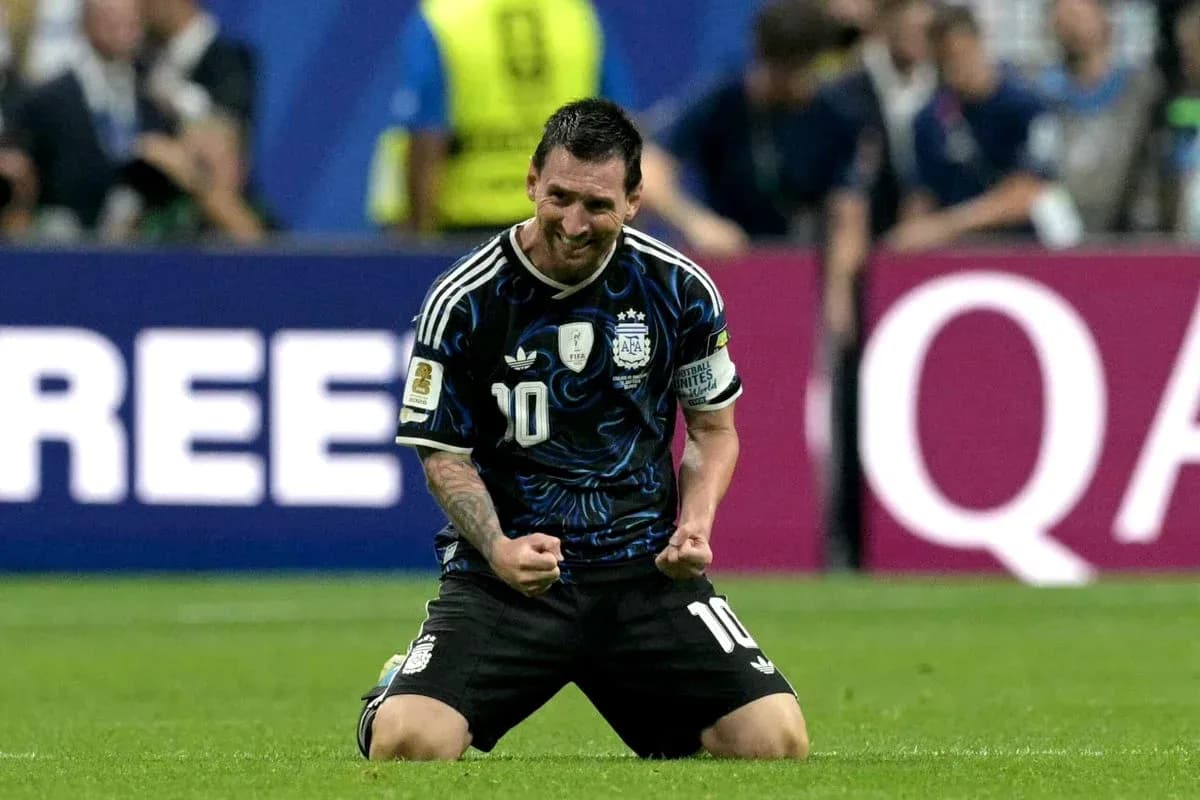
Wave after wave of Argentina attacks crashed over a team that had chosen to stand on its own goal line and hope. Messi, given the ball and the stage he craves, dictated. He set up both goals, the inevitable conductor of England’s unraveling.
Tuchel had turned to safety and found chaos.
A coach trapped by his own plan
The most jarring element was not just the initial decision. It was what followed.
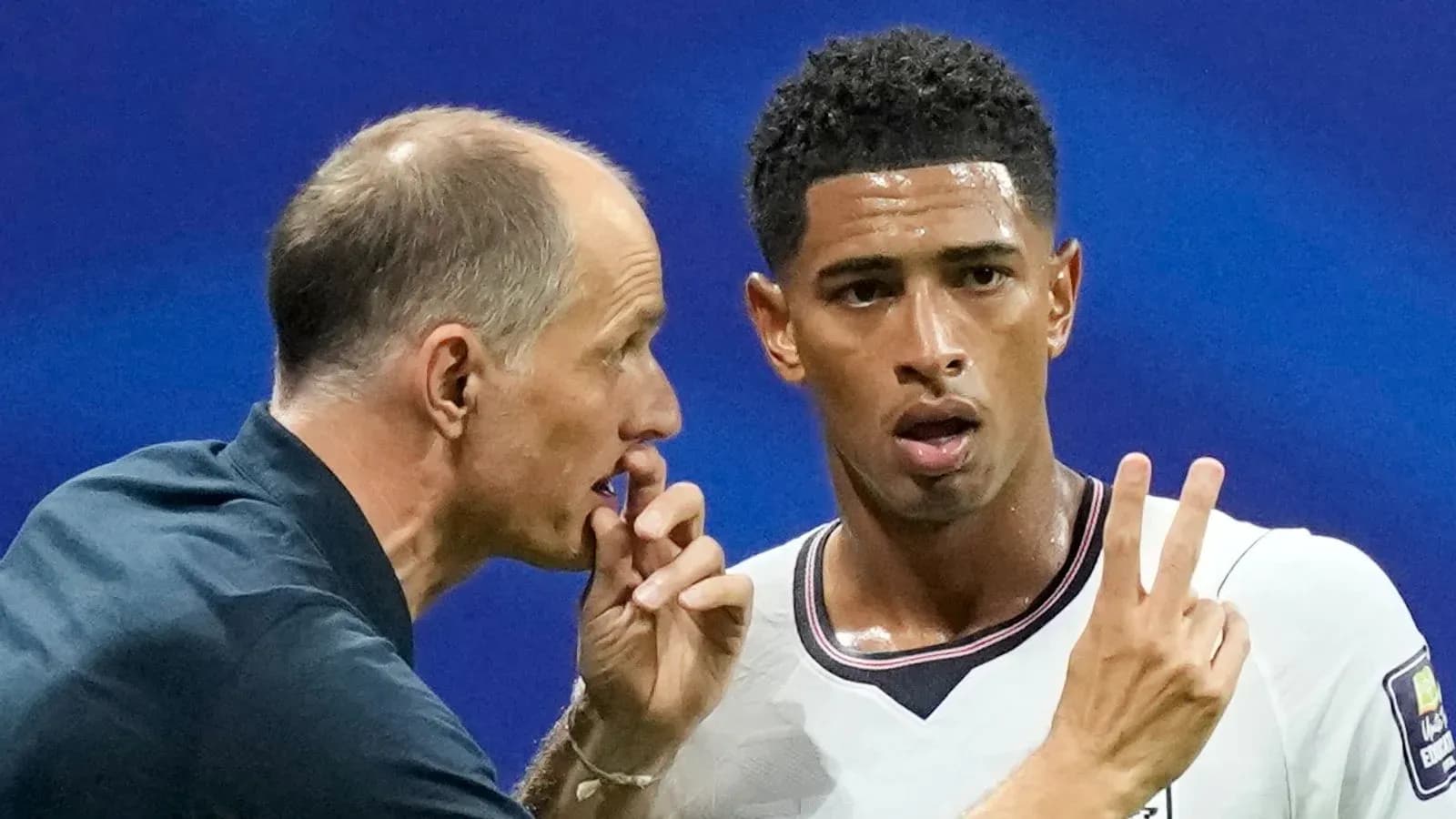
Tuchel has built a reputation as a coach who can see when his tweaks have failed and has the courage to change again. Not here. As Argentina poured forward and England’s shape sagged, the head coach seemed to freeze with his players.
He reached for Dan Burn. He turned to Nico O’Reilly. Functional, conservative moves. The script stayed the same. The attacking alternatives stayed on the bench as the game slipped away.
Perhaps the memory of Mexico lingered. England, down to 10 men, had survived a late aerial bombardment in the Azteca with a low block and sheer will. That night, the gamble to dig in worked.
But Mexico’s plan had been obvious: cross after cross, a test of height and heading and nerve. Argentina are built on something else entirely. They want the ball, short passes, angles, combinations, Messi knitting it all together. Handing them territory and possession was an invitation, not a deterrent.
They accepted it.
Old problems in a new era
Tuchel was hired to take England somewhere they had not been under Gareth Southgate. To keep the defensive structure but add a ruthless edge in the big games against the giants. To change the story.
Under Southgate, England usually beat the teams they were supposed to beat and faltered as underdogs. Under Tuchel, in this defining moment, nothing really changed.
There had been signs that this might be different. The rousing half-time team talk against Croatia. The bold attacking changes that turned that game. The perfectly judged defensive call in the Azteca against Mexico. Those nights suggested Tuchel’s in-game management might be the missing piece, the thing Southgate never quite found.
Instead, it was the very area that failed him when it mattered most.
Tuchel has committed to see out his two-year extension, to lead England into Euro 2028. There is time to reshape, to learn, to prove that this was not his defining tactical misstep with the national side.
But until then, the image will linger: Gordon trudging off, Konsa coming on, England sinking deeper, Messi rising, and a coach who promised to move away from defence-first football watching his team retreat into the old habits that have haunted them for three decades.