.svg&w=384&q=75 "Pitchgist logo")
England's Heartbreak: Tuchel's Gamble Fails Against Argentina
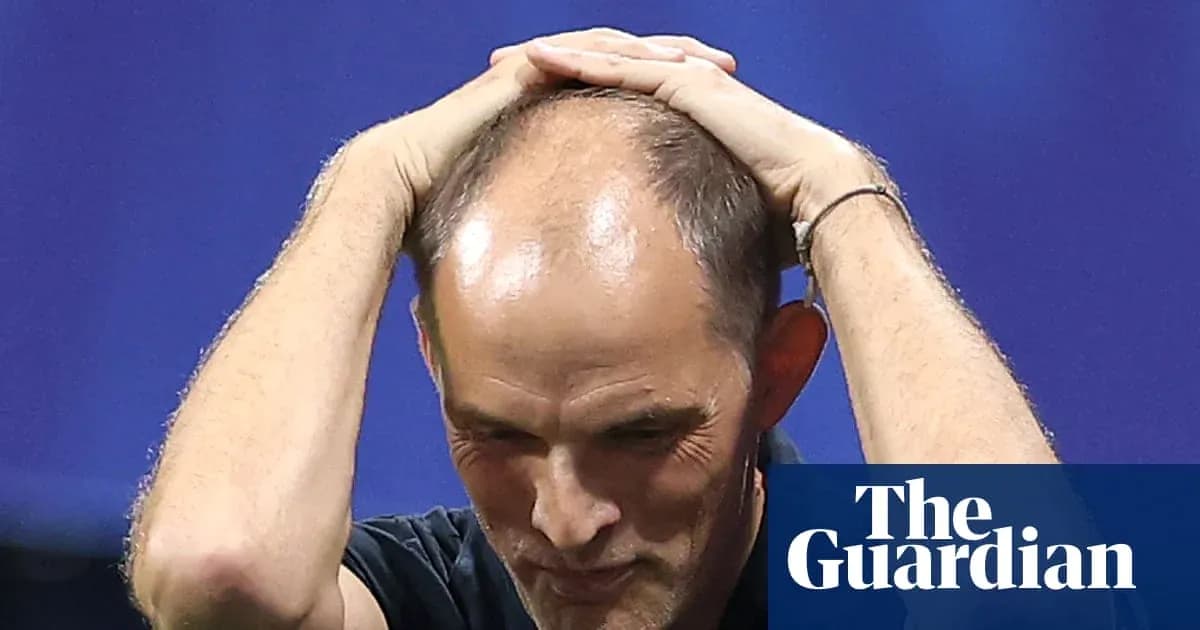
Thomas Tuchel took the blame. England took the pain.
On a night when history felt close enough to touch, England were minutes away from their first men’s World Cup final on foreign soil. Anthony Gordon had curled them towards New York and a date with Spain. Instead, Argentina tore up the script, Enzo Fernández thundered them level, and Lautaro Martínez broke English hearts in the second minute of stoppage time.
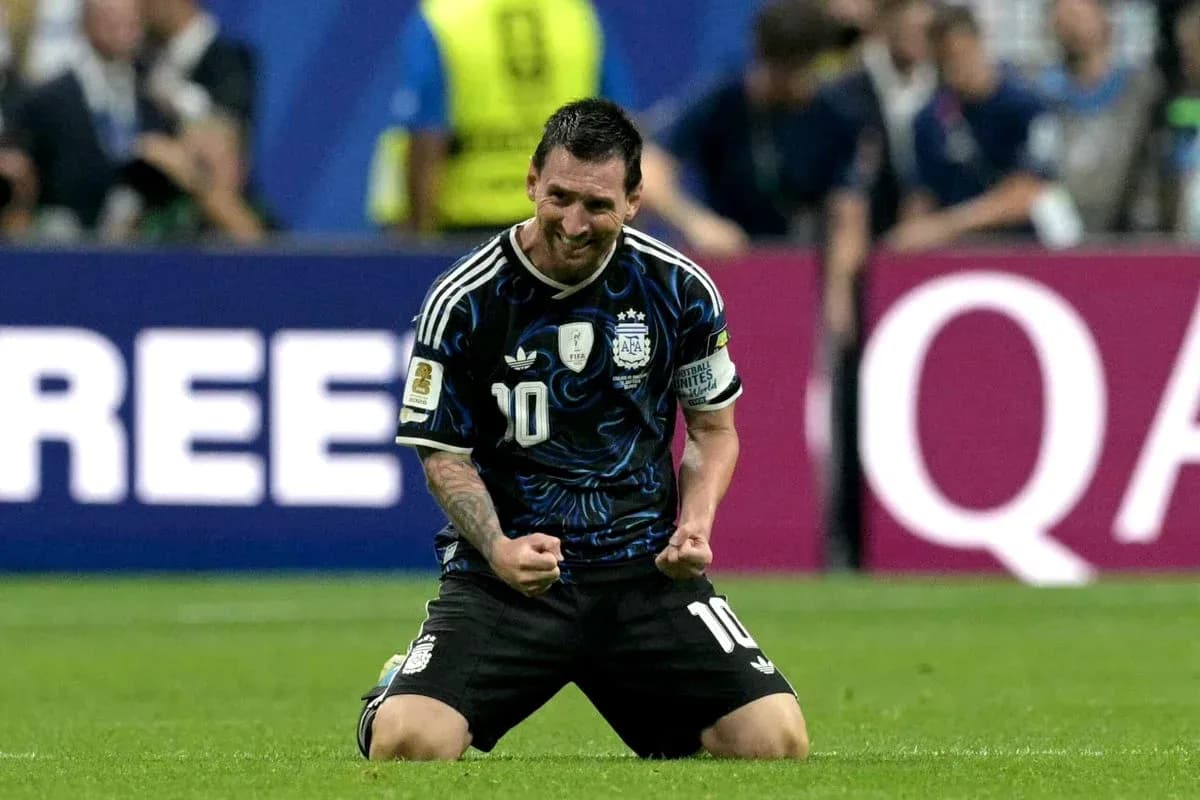
By the final whistle, England’s players were scattered across the turf, motionless. Harry Kane gathered himself first, dragging his team-mates towards the travelling fans to applaud them through the numbness. Jude Bellingham, eyes red, wiped away tears. At the other end Lionel Messi dropped to his knees, fists pumping, as Argentina’s second straight World Cup final became reality.
Tuchel’s gamble backfires
Tuchel did not hide. Nor did he deflect.
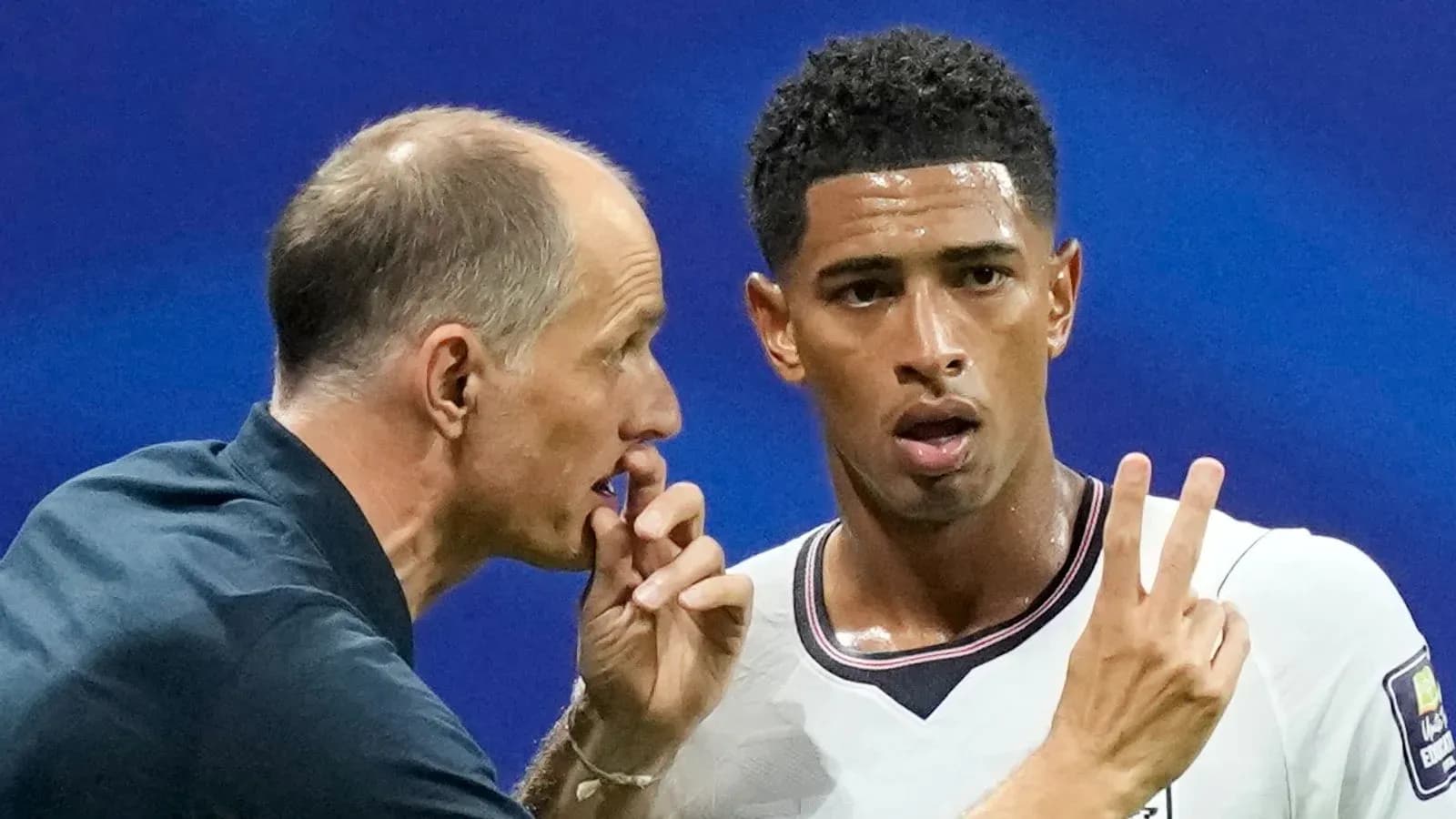
His key decision came with England 1-0 up and wobbling. Declan Rice and Reece James were withdrawn, the shape flipped to a back five, and within three minutes Fernández had smashed Argentina level from distance. From that moment, the match tilted almost entirely in sky blue and white.
“We decided to go to a back five because the gaps were far too open,” Tuchel said. “Argentina played with more risk, played with more rhythm and played with the feeling maybe that they had nothing to lose any more, which freed them up and pulled us back. Because we obviously played suddenly with a feeling that we had a lot to lose.
“Of course the responsibility is on the coach and if it doesn’t go well it’s easy to say it was wrong.”
The numbers told their own story. Between Gordon’s opener and Lautaro Martínez’s winner, England had just 12% of the ball. For a side that had played some of their most composed football of the tournament for an hour, they suddenly shrank into their own penalty area.
Tuchel rejected the idea that this was some recurring national flaw.
“I don’t believe so much in an English thing and a curse or whatever. It’s repeating itself in different moments. It’s different coaches, different players, different situations.
“What cost us today was that we were not active enough in any structure. I can understand these discussions are out there and of course a million coaches after the game know it better. You can discuss this with a million coaches. I have to make a decision on the pitch. It’s how I analyse the match and I take the responsibility.
“At the moment no regrets. The team gave everything and we were very very close. We deserved to be up 1-0. We played one of our better matches, maybe our best match under the circumstances. The team was top – we couldn’t bring it over the line.”
That last line will sting for some time.
From control to collapse
For an hour, England had Argentina exactly where they wanted them. Gordon’s goal early in the second half had capped a spell of disciplined, intelligent football. They pressed in waves, snapped into duels, and used the ball with a clarity that has often deserted them at major tournaments.
Then came the retreat.
Kane, who had led the line with his usual blend of craft and graft, admitted England had invited trouble.
“Just gutted, gutted for the boys, gutted for everyone: the team, the staff, the fans,” he told the BBC. “We played well for the vast majority of it. Once we went 1-0 up we just seemed to try to hold on which, at this level, is not enough.
“After the goal, whether it was them putting more men forward or us being able to match them man for man, it just was wave after wave and we were just trying to hold on, put the blocks in, but in the end it wasn’t enough.”
Wave after wave. That was exactly how it felt.
Fernández’s equaliser, a vicious piledriver that ripped into the net, turned pressure into inevitability. England’s legs grew heavy, their clearances more desperate. Messi probed, Ángel Di María stretched the pitch, and Argentina’s belief thickened with every attack.
The decisive blow came deep into added time. Lautaro Martínez, sent on from the bench, found the angle and the finish that will live with him forever. For England, it will be replayed in their minds for just as long.
Edge and emotion
The final whistle did not cool the temperature. Bellingham, still burning with frustration, appeared to strike Argentina substitute Valentín Barco on the back of the head after the game had ended and had to be hauled away by reserve goalkeepers Dean Henderson and James Trafford. The officials took no action.
On the pitch, the celebrations took on a political edge. Manchester United defender Lisandro Martínez paraded a banner reading “Las Malvinas son Argentinas” – “The Malvinas are Argentinian” – a pointed reference to the Falklands war that will not go unnoticed back in England.
Argentina, though, will say this is simply who they are at World Cups: combative, emotional, and impossible to put away. They had already come from 2-0 down to beat Egypt in the last 16. Once again, they refused to accept the script.
“England pressed hard for about 60 minutes,” said Lautaro Martínez. “After finding the goal, they dropped back, and that gave us more composure in circulating the ball and spreading the play.”
Lionel Scaloni, emotional and unguarded, praised the relentlessness of his players.
“This team plays best when they are facing adversity,” Argentina’s head coach said. “We had a challenging situation, there was blood in the water and we went for it. We had six or seven chances and the ball wouldn’t go in but the team fought until the end. After they scored, we really proved ourselves – it shows what football means to us and it goes beyond tactics.”
England left with questions
For England, the inquest will focus on that final half-hour: the change of shape, the psychological drop, the inability to keep the ball when it mattered most. Tuchel framed it as a structural issue, a failure to stay “active enough in any structure”. Kane spoke of fear creeping in once they led.
Both versions point to the same truth. When the pressure rose to boiling point, Argentina embraced it. England shrank from it.
Argentina now head to New York, to Messi, to Spain, to another shot at immortality. England head home with a familiar taste in their mouths and a head coach who, for all his tactical detail, must now prove he can guide this group through the most brutal moments, not just to the edge of them.