.svg&w=384&q=75 "Pitchgist logo")
Virgil van Dijk Faces Backlash After Netherlands' World Cup Exit
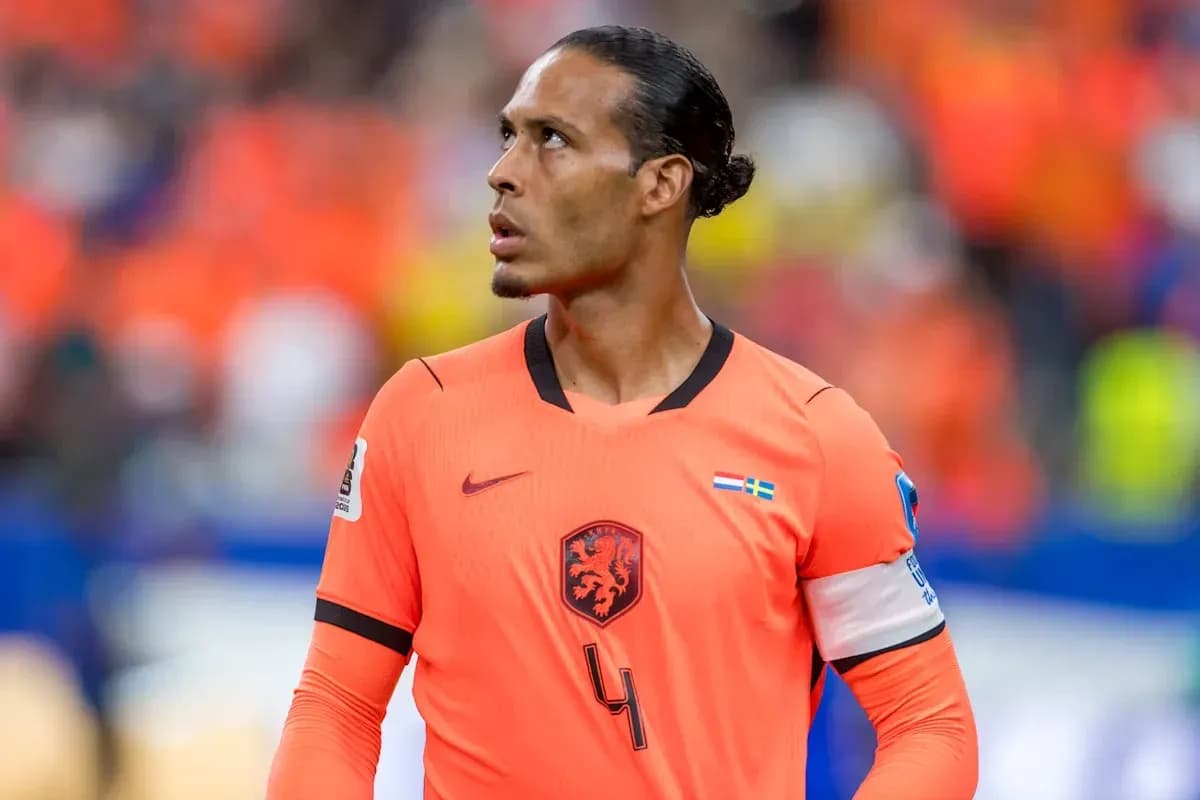
The Netherlands’ World Cup campaign ended in the cruellest fashion, and the inquest back home has a clear focal point. Virgil van Dijk, captain, leader, symbol of a generation, now finds himself at the centre of a storm.
Knocked out by Morocco on penalties after conceding a stoppage‑time equaliser, the Dutch walked off the pitch in disbelief. In living rooms and studios across the country, disbelief quickly turned into blame. Much of it landed squarely on the shoulders of the Liverpool defender.
Driessen’s brutal verdict
De Telegraaf, never shy of a strong opinion, captured the national mood with a ferocity that cut through the usual post‑match noise. Columnist Valentijn Driessen went further than most would dare with a player of Van Dijk’s stature.
“Ronald Koeman and Virgil van Dijk have betrayed everything our national team stands for,” he wrote, delivering one of the most scathing assessments of a Netherlands captain in recent memory.
For Driessen, this was not just about a bad night. He framed it as the culmination of a misguided tactical shift and a declining defensive authority. The move to a back three, he argued, stemmed from Van Dijk’s failure to organise the defence properly during the group stage, forcing Koeman into compromises that cut against the Dutch footballing tradition.
Then came the decisive moment. Morocco surged forward in stoppage time, the cross came in, and Van Dijk lost his man. The equaliser that dragged the tie into extra time became, in Driessen’s eyes, a damning symbol. His conclusion was ruthless: the defender’s “time is up.”
For a player who has come to embody calm and control, it was an extraordinary public dismantling.
One lapse, huge consequences
The images will be replayed for months. Morocco chasing the game, bodies flooding forward, the Dutch line straining under pressure. Van Dijk, usually the one who snuffs out danger before it even looks threatening, could not shut the door this time.
He allowed the run, the cross found its target, and the ball was in the net. A rare lapse, but on this stage, at this moment, it was fatal.
Van Dijk’s game has been built on anticipation and command of his penalty area. He reads danger, he positions himself early, he wins the duels that matter. That is why this particular mistake stings so much for Dutch supporters: it went against everything they have come to expect from him.
Yet to reduce an entire World Cup exit to one defensive error strips away the nuance of knockout football. The Netherlands had chances to finish the job before the late drama. They had spells of control, periods where Morocco were kept at arm’s length. Those missed opportunities vanish quickly in the noise of a shootout defeat, but they sit in the background of any fair assessment.
Across most of the match, Van Dijk still looked like the anchor of the back line. He cleared crosses, dominated in the air, and helped keep Morocco’s threat manageable for long stretches. One moment changed the narrative.
Injury context changes the picture
Only after the dust began to settle did another detail emerge. Ronald Koeman revealed that Van Dijk had not been fully fit as the game dragged into its most intense phase.
The Netherlands manager admitted the defender’s calf had been “bothering him badly”. Van Dijk, though, stayed on, pushed through extra time, and tried to drag his country into the semi‑finals on one good leg.
At this level, that matters. A central defender operating at less than full mobility is exposed to exactly the kind of situation that unfolded in stoppage time: tired legs, slower recovery, a half‑yard lost in the box. Those margins decide tournaments.
He could have asked to come off. He did not. Instead, he chose to carry the responsibility, and the pain, in a knockout match that demanded everything. That decision will be praised by some as commitment, questioned by others as misjudgment, but it underlines the context behind the error now being dissected in forensic detail.
Legacy under scrutiny, not erased
The reaction in the Netherlands is emotional, raw, and, in some corners, unforgiving. Captains always carry a heavier load when things go wrong. With Van Dijk, the contrast is stark: a defender who has spent more than a decade at the summit of European football now being told, in parts of the Dutch media, that his era is over.
His body of work, though, is not wiped away by one bad night. At club level with Liverpool and at international level with the Oranje, he has built a reputation on leadership, consistency, and a calmness under pressure that few defenders can match.
This tournament will not sit comfortably in that story. It will be remembered for the late equaliser, the shootout exit, and the column inches that followed. It may also become a turning point: either the moment critics point to as the beginning of the end, or the setback that fuels one more response from a player who has rebuilt himself before.
For now, the immediate task is simpler. Van Dijk needs to heal. A draining World Cup, the emotional weight of elimination, and the physical strain of playing through a calf problem all demand a pause. Time away from the spotlight, and from the constant replay of that decisive goal, could be as important as any tactical reset.
The Netherlands will soon look ahead to the next cycle, to new qualifiers, to reshaping a squad that believed it could go deeper. When that happens, all eyes will turn back to their captain. How does Virgil van Dijk answer the loudest criticism of his international career when he next walks out in orange?