.svg&w=384&q=75 "Pitchgist logo")
Indy Eleven Edges Lexington in Penalty Shootout
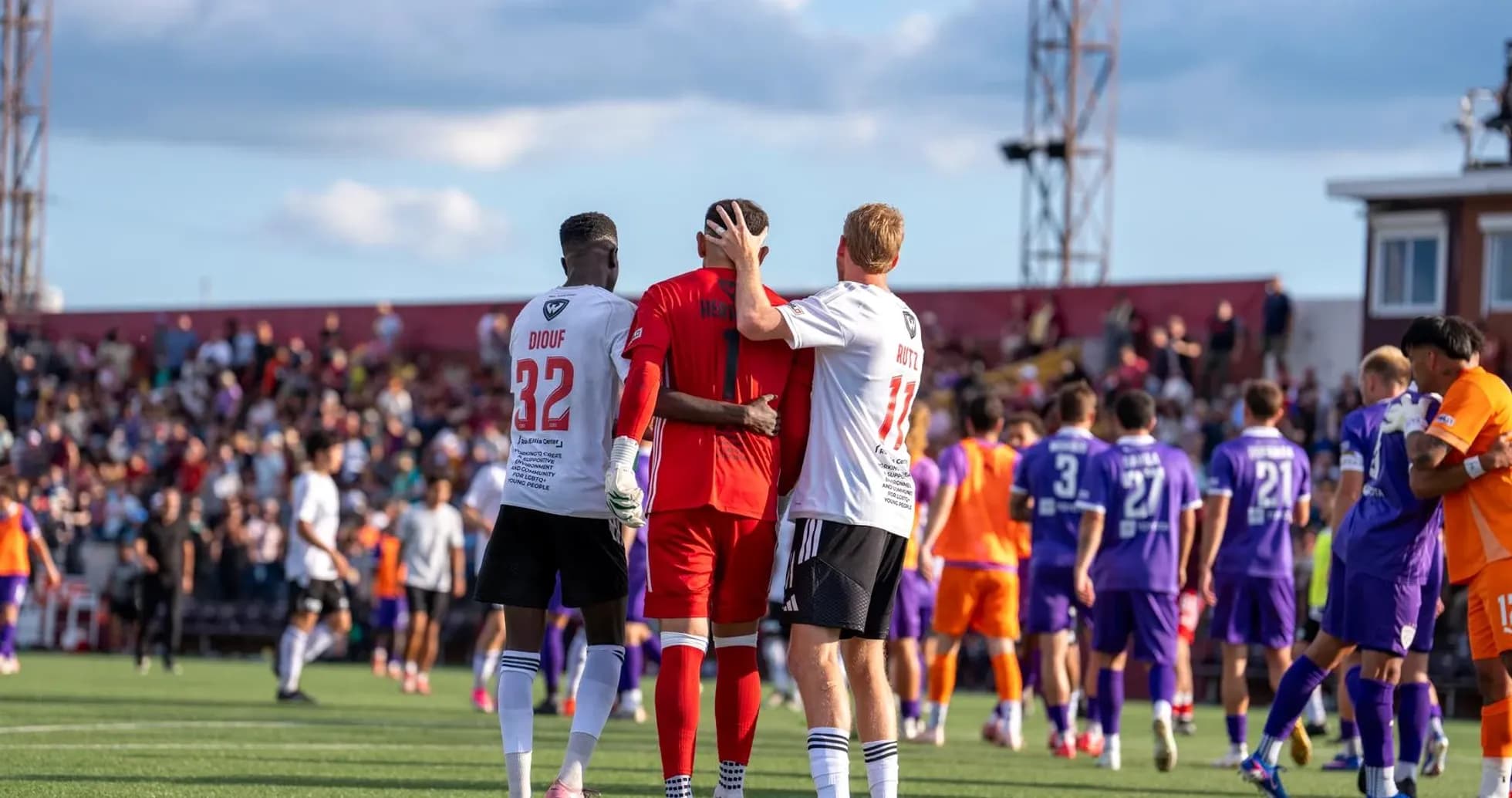
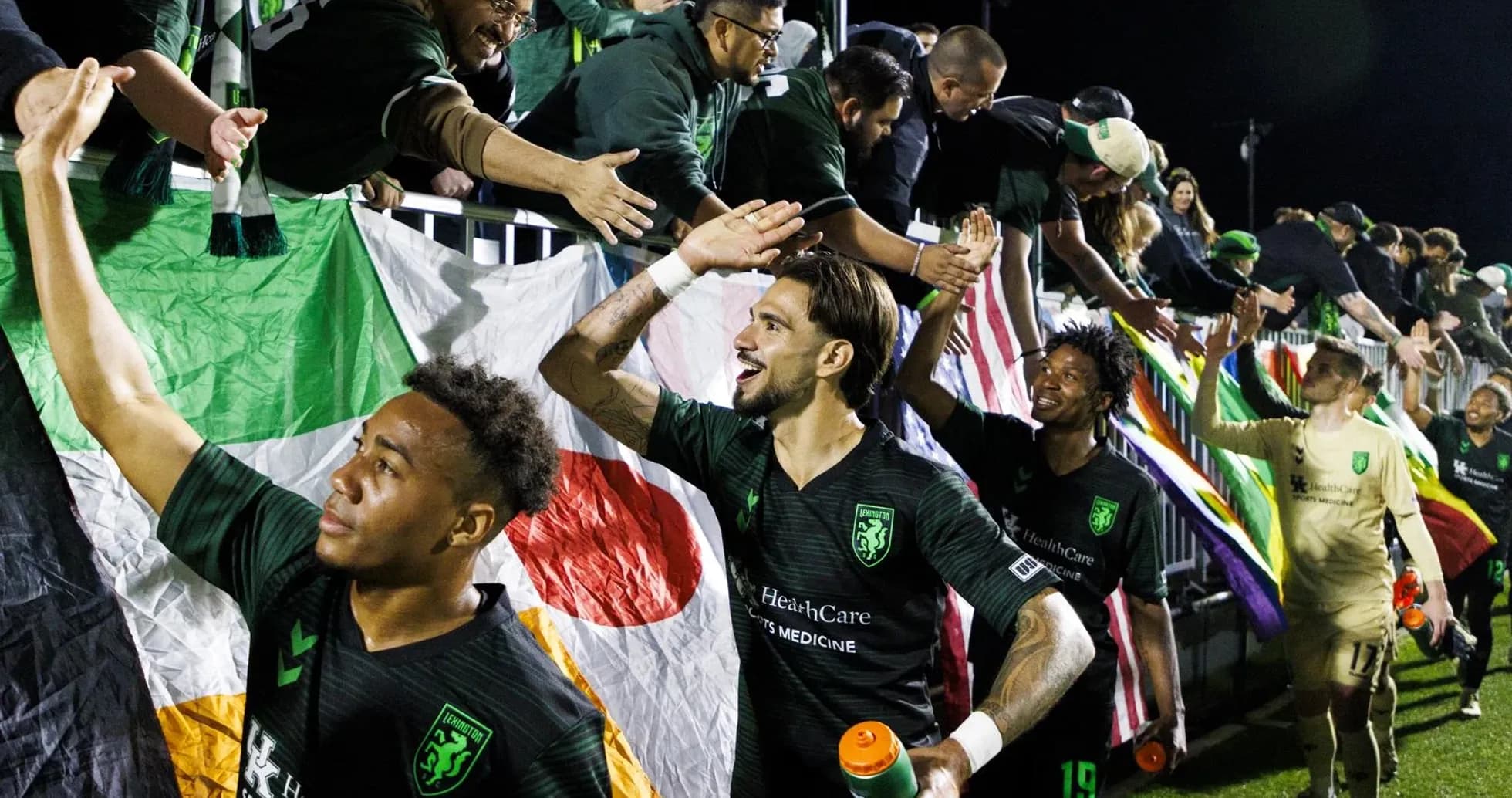
Toyota Stadium under the lights, a group-stage tie in the USL League One Cup that refused to yield a goal over 120 minutes, and then a razor’s‑edge shootout: Lexington 0–0 Indy Eleven, decided 7–6 on penalties in favor of Indy. Following this result, two sides with contrasting seasonal profiles revealed a shared steel: both can suffer, both can defend, and both can lean on their penalty craft when the margins are microscopic.
I. The Big Picture – DNA of Two Cup Sides
Heading into this game, Lexington’s campaign profile was that of an open, high‑event side. Overall they had scored 6 and conceded 4 across 3 fixtures, an attacking return of 2.0 goals per match and a defensive average of 1.3 goals against. At home they had been even more volatile: 4 goals for and 3 against across 2 fixtures, averaging 2.0 scored and 1.5 conceded at Toyota Stadium. No clean sheets, one home defeat (0–1), and a biggest home win of 4–2 painted them as entertainers rather than controllers.
Indy Eleven arrived with a more balanced, quietly efficient profile. Overall they had 7 goals for and 4 against in 4 fixtures, averaging 1.8 scored and 1.0 conceded. At home they were more measured (1.5 goals for, 1.0 against), but on their travels they were sharp: 4 goals in 2 away games at 2.0 per match, conceding 1.0 away. Two clean sheets overall, including one away, and no failures to score suggested a side comfortable in tight margins and capable of shutting games down.
The paradox of the night was that the “chaotic” Lexington and the “balanced” Indy combined for a goalless stalemate over 120 minutes, only breaking apart in the penalty lottery, where both teams’ season‑long tendencies foreshadowed the drama. Lexington had taken 8 penalties overall this campaign, scoring 6 (75.00%) and missing 2 (25.00%). Indy had also taken 8, but scored 7 (87.50%) and missed just 1 (12.50%). In a shootout decided 7–6, those small percentage edges suddenly felt prophetic.
II. Tactical Voids and Discipline – Where Edges Might Have Been
There were no listed absentees, so both coaches, Masaki Hemmi for Lexington and Sean McAuley for Indy Eleven, entered with full decks. The tactical voids, then, were not about who was missing, but about what each side could not quite impose.
Lexington’s seasonal card profile hints at a team that lives on the edge of the press. Their yellow cards are spread, but there is a clear late‑half and late‑game spike: 22.22% of their yellows between 31–45 minutes, another 22.22% between 46–60, and 22.22% again between 76–90. That distribution tells of a side that ramps up aggression as halves close, pressing for momentum swings and set‑piece pressure.
Indy’s yellows are similar in shape but with more emphasis on the mid‑game: 22.22% between 16–30, 22.22% between 31–45, and 22.22% between 61–75. They manage the early phase (only 11.11% in the opening 15), then tighten the screw as the tactical picture clarifies.
In a knockout‑style penalty decider, that mutual willingness to foul and disrupt can cancel out the attacking flow. The absence of red cards for both sides this season underscores that these are controlled transgressions rather than reckless ones: tactical fouls to break rhythm, not implosions.
III. Key Matchups – Hunter vs Shield, Engine Room vs Enforcer
Without explicit top‑scorer data, the “Hunter vs Shield” dynamic has to be read through structural tendencies and personnel profiles.
For Lexington, the attacking trident of M. Epps, M. Adedokun, and B. P. Rodrigues, supported by Nick Firmino, forms a fluid front that is used to open‑field games. At home they had already produced 4 goals heading into this fixture, and their biggest win of 4‑2 came in this stadium. The “Hunter” here is collective: runners off the ball, midfielders breaking lines, and a willingness to commit numbers.
Against that stood an Indy back line anchored by M. Rasheed and P. Craig, shielded by midfielders like N. Okello and J. O'Brien. Indy’s overall defensive record of just 4 goals conceded in 4 matches, with 1.0 goals against on their travels, reflects a compact block that rarely loses its shape. The fact that Lexington, who had never kept a clean sheet this campaign, were held goalless at home points to Indy’s “Shield” winning this particular duel.
In the “Engine Room,” Lexington’s axis of A. Molloy and B. Ferri, with Firmino drifting into pockets, was tasked with breaking down that compact structure. They faced an Indy midfield that marries physicality and control: Okello’s presence, B. Rendon’s work rate, and O'Brien’s positional discipline. The statistical undercurrent favored Indy: they had not failed to score in any match this season, while Lexington had already failed to score once overall. Yet on the night, Lexington’s double pivot did enough defensively to limit Indy’s usual away productivity of 2.0 goals per match, while never quite finding the tempo to unpick them.
Behind it all, the goalkeepers were quietly central to the narrative. O. Semmle for Lexington and R. Charles‑Cook for Indy both emerged from a season in which their teams concede around 1.3 and 1.0 goals per match overall, respectively. To take a 120‑minute contest to 0–0, they had to command their boxes and, crucially, be psychologically ready for penalties. Given Indy’s superior season‑long penalty conversion, Charles‑Cook entered the shootout with the statistical wind at his back.
IV. Statistical Prognosis – xG Hints and Defensive Solidity
Without explicit xG numbers, we lean on goal and defensive trends to sketch the expected‑goals picture. Heading into this game, a “neutral” model would have anticipated something like a narrow, scoring contest: Lexington’s home average of 2.0 goals for and 1.5 against suggests they are usually involved in matches with around 3.5 total goals at Toyota Stadium. Indy’s away averages of 2.0 for and 1.0 against imply away games with roughly 3.0 total goals.
Overlay those profiles, and you would predict a match with chances at both ends, perhaps a 2–1 either way. Instead, both sides produced defensive performances that dragged the actual outcome far below that implied total. The clean sheet for Lexington was their first of the campaign; for Indy, it was their third overall and second away, reinforcing the idea that McAuley’s side is structurally robust and adaptable.
The penalty data completes the picture. Lexington’s 75.00% conversion and two misses overall foreshadowed the fine line they would walk in a long shootout. Indy’s 87.50% success rate and only one miss suggested a group drilled in the moment, with clear routines and composure. A 7–6 shootout win fits that statistical lean almost perfectly: not flawless, but marginally, decisively better.
Following this result, the tactical lesson is clear. Lexington’s attacking DNA can be blunted by a disciplined, compact opponent, and their reliance on penalties is risky given a non‑perfect 75.00% record. Indy Eleven, meanwhile, have confirmed their identity as a low‑concession, high‑composure cup side: they do not need to dominate the shot count to drag a tie to their preferred terrain—tight margins, clean sheets, and, if necessary, a penalty shootout where the numbers, and now the narrative, are on their side.