.svg&w=384&q=75 "Pitchgist logo")
Detroit City vs Louisville City: A Tactical Battle in the USL League One Cup
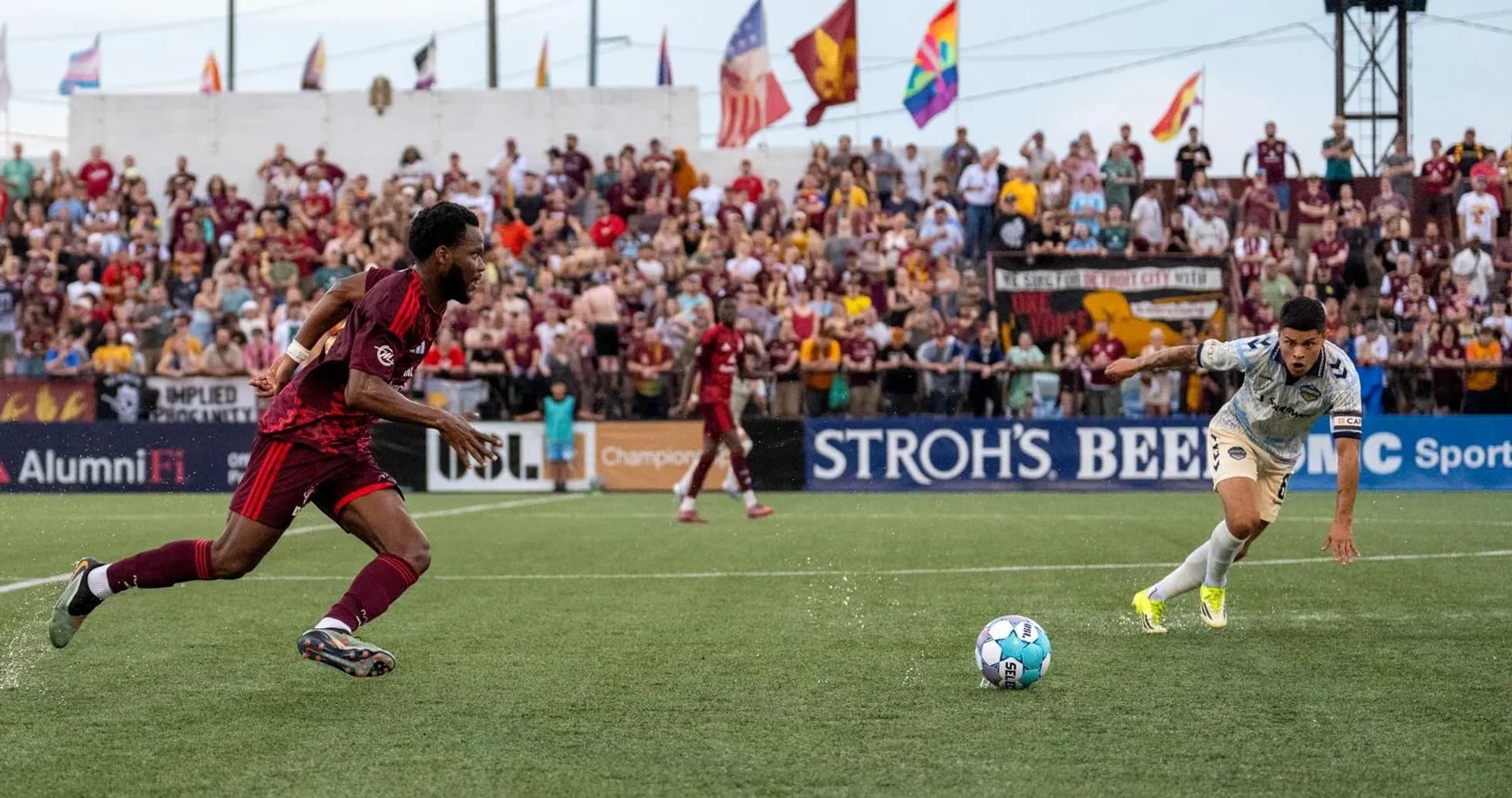
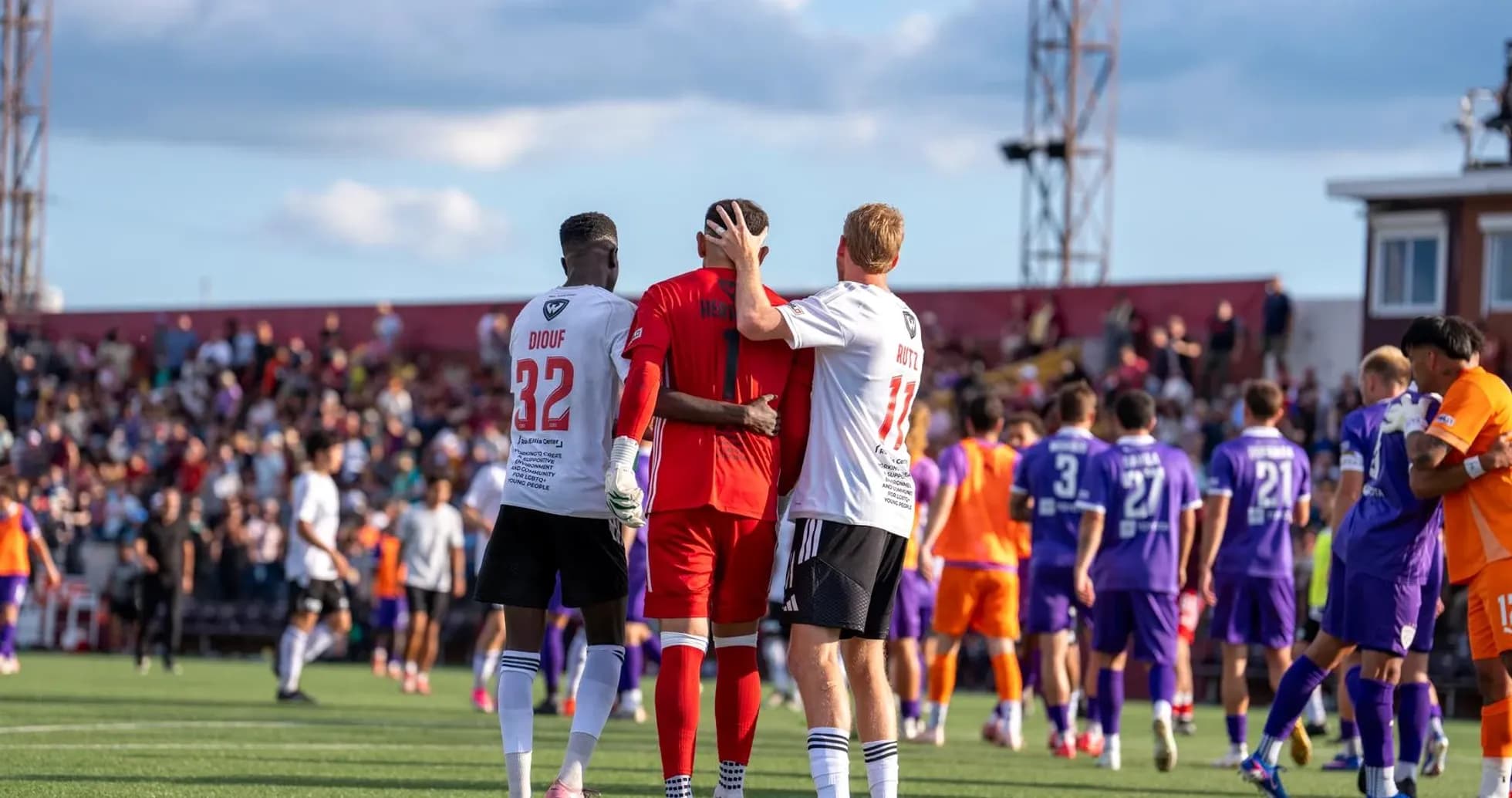
On a warm Group Stage night at Keyworth Stadium, Detroit City and Louisville City played 120 minutes of stalemate, only for the visitors’ superior nerve from the spot to tilt a finely balanced tie. The USL League One Cup has already sketched clear identities for both clubs: Detroit as a combative, still-forming cup side, Louisville as a ruthless, free‑scoring machine. Yet in this match, the table‑topping visitors were dragged into a trench battle that ended 0–0 after extra time before Louisville edged the shootout 4–3.
Heading into this game, the standings told a stark story. Louisville sat 1st in Group 4 with 6 points and a goal difference of 6, having scored 8 and conceded 2 in total across 2 matches. Detroit, by contrast, were 5th with 4 points and a goal difference of -1, their 3 goals for and 4 against reflecting a side still searching for balance. The broader season numbers sharpened the contrast: Louisville had won all 3 of their USL League One Cup fixtures (3 total wins, 0 draws, 0 losses), scoring 9 in total and conceding just 2. Detroit had played 3 fixtures as well, with 1 total win and 2 total losses, scoring 2 and conceding 3 overall.
Yet the match narrative was far more even than those aggregates suggest, and the squads on the night explain why.
I. Squad Shapes and Seasonal DNA
Detroit City’s XI under Danny Dichio felt like a side built to grind. C. Herrera in goal was shielded by a spine that looked physically robust and defensively minded: H. Yamazaki, R. Hope‑Gund, D. Amoo‑Mensah, and T. Silva offered a back line designed to absorb pressure rather than chase high. In front, the presence of K. Hernandez‑Foster and Rafa Mentzingen hinted at the dual mandate: protect central spaces, but spring quickly when the ball is turned over.
With A. Diop and A. Stanley likely tasked to shuttle between the lines, Detroit’s front edge came from A. Diouf and B. Morris, two players expected to stretch Louisville’s back four and turn limited possession into penalty‑box jeopardy. It is worth noting that across the season Detroit’s attack has been modest: in total they averaged 0.7 goals per game, with 0.5 at home and 1.0 on their travels. That low home output framed the evening: Keyworth would have to roar them through margins, not overwhelming firepower.
Louisville City, coached by Simon Bird, arrived as the competition’s juggernaut. In total they were averaging 3.0 goals per match, both at home and on their travels, a rare symmetry that underlined just how consistently they’ve carved opponents open. The back line of D. Faundez in goal behind S. Totsch, B. Dayes, A. Dia, and A. McFadden carried the burden of maintaining an excellent defensive record: just 2 goals conceded in total, with averages of 1.0 at home and 0.5 away.
In midfield, Z. Duncan and B. Niang offered control and bite, while J. Morris and J. Wilson could slide between wide and half‑spaces, supporting the direct threat of R. Serrano and the physical presence of T. Showunmi. This was a side that, in total, had never failed to score in the competition and had a perfect penalty record: 4 penalties taken, 4 scored, 0 missed.
II. Tactical Voids and Discipline
There were no listed absences, so both coaches could lean fully into their preferred personnel. The more subtle voids were structural. Detroit’s season numbers reveal a team still learning to live without margin for error: at home they had conceded 3 goals in total across 2 fixtures, an average of 1.5 per game, and had failed to score at home once in total. That fragility demanded a conservative approach, especially against a Louisville attack that had already produced a 3‑1 home win and a 5‑1 away win as their biggest victories.
Disciplinary trends also shaped the tone. Detroit’s yellow‑card distribution in total skewed heavily toward the middle of matches: 25.00% of their cautions between 31–45', 37.50% between 46–60', then 12.50% from 61–75' and 25.00% from 76–90'. Louisville’s bookings clustered even more sharply in the middle: 28.57% between 16–30', another 28.57% from 31–45', and a late‑first‑hour surge of 42.86% between 46–60'. Both teams tend to play on the edge as games open up after the early feel‑out phase, and this fixture duly turned into a midfield arm‑wrestle rather than an open shootout.
III. Key Matchups: Hunter vs Shield, Engine Room
The “Hunter vs Shield” duel was less about one talismanic scorer and more about systems. Louisville’s collective “Hunter” was their 3.0‑goals‑per‑match attack, tested against a Detroit defense that, in total, had conceded 1.0 goal per game but was much more vulnerable at Keyworth, where they allowed 1.5 per match. For 120 minutes, Detroit’s shield held. The central pairing of Hope‑Gund and Amoo‑Mensah, backed by Herrera, repeatedly disrupted the patterns that had previously allowed Louisville to run up a 1–5 away scoreline elsewhere.
In the “Engine Room,” Z. Duncan and B. Niang were pitted against the work rate of Hernandez‑Foster, Rafa Mentzingen, and Diop. Louisville’s midfield typically drives both volume and territory, but Detroit’s block forced them to recycle rather than slice through. The absence of clear xG data prevents exact quantification, but the goalless outcome over 120 minutes speaks to Detroit’s ability to suppress Louisville’s usual shot quality, even if they could not flip that into a decisive attacking threat of their own.
IV. Penalty Truth and Statistical Verdict
From the spot, the pre‑match numbers were prophetic. Detroit had earned 5 penalties in total this campaign, scoring 3 and missing 2, for a 60.00% conversion rate. Louisville, by contrast, were flawless: 4 taken, 4 scored, 100.00% conversion, 0 missed. When the tie finally moved to the shootout, those margins of habit and confidence resurfaced. Louisville’s 4–3 edge in penalties was not an accident; it was a continuation of a pattern.
Following this result, the narratives crystallize. Detroit City emerge with credit for bending but not breaking against the group’s most explosive side, validating Dichio’s emphasis on structure and resilience, even as their chronic lack of home goals remains an urgent concern. Louisville City, meanwhile, confirm that they can win not only by overwhelming opponents in open play but by surviving wars of attrition and trusting their technique and temperament from 12 yards.
The tactical prognosis going forward is clear. Louisville’s blend of a 3.0‑goals‑per‑match attack, a defense conceding just 0.7 in total, and perfect penalties makes them a formidable knockout proposition. Detroit, with a total goal difference of -1 in the standings and an attack averaging 0.7 per game, will need to find more incision without sacrificing the defensive steel that nearly carried them through this night at Keyworth Stadium.