.svg&w=384&q=75 "Pitchgist logo")

Liverpool's Transfer Trick and England's World Cup Build-Up
On a day when England’s World Cup build-up should be dominated by tactics, form and selection, the headlines drifted somewhere between karaoke, crushed ice and creative accounting. Football, as ever, finds a way to be deadly serious and utterly ridiculous at the same time.
Wonderwall, Again
The latest front-page push from The Sun drags Noel Gallagher back into the England discourse, this time as the supposed driving force behind a campaign to make “Wonderwall” the national team’s official World Cup anthem.
The reality? Gallagher offered a polite nod, nothing more. He called the communal singalong “a magical moment between the people and the players” and wished travelling fans good luck. That’s hardly a rousing manifesto. It’s Noel doing what Noel always does when one of his songs is serenaded on a global stage: smiling, shrugging, and letting the royalties roll in.
To pad the “campaign”, the piece leans on the celebrity support of Rob Rinder and Olly Murs. Rinder urges a song “that belongs to all of us,” Murs calls for an official “England Wonderwall video” and insists it “already feels like the soundtrack to this World Cup.” Stirring stuff, perhaps, but hardly a cultural movement. If that’s the A‑list cavalry, the bar for an “anthem campaign” has never been lower.
Slushies in Swope Soccer Village
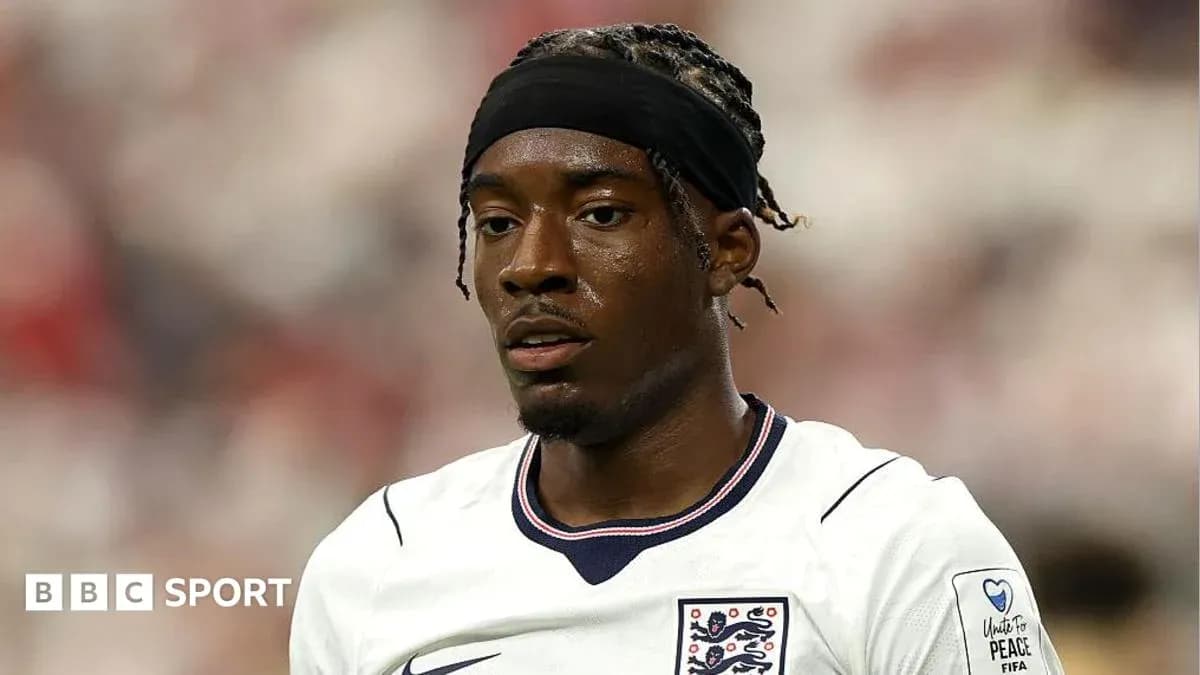
The actual England “exclusive” from The Sun lands in Kansas, where Tom Barclay reveals that Gareth Southgate’s players are being treated to… slushies.
We are dutifully informed that a slushie consists of crushed ice and flavoured syrup, with England’s versions fortified by electrolytes for recovery. The machines at Swope Soccer Village churn out two flavours a day, ranging from blue blueberry to red raspberry and a mysterious green option “believed to be either apple or lime.”
The story stretches to include the daily ritual of pun-filled names for each drink. “Jordan Ice Pickford.” “Ice, Rice Baby.” “Freeze James.” “Jarell Thirst Quencher.” Then it keeps going: “Dan Brrrrrrn,” “Eberrrrrechi Eze,” “Ice Lolly Watkins,” “Marcus Rashberry,” “Cold Trafford” for James Trafford and “Bluekayo Saka” for the blue mix.
It’s light, it’s trivial, it’s the kind of thing that fills space when there are no injuries, no bust-ups and no selection rows to report. England’s World Cup prep, reduced to flavoured ice and wordplay.
Salah, Tears and a Misleading ‘Dig’
Elsewhere, the Daily Mirror’s website opted for something far more emotive: Egypt manager Hossam Hassan in tears after his side’s World Cup heroics, framed around a “sly Mo Salah dig.”
The timing feels odd. Salah has just become Egypt’s record World Cup scorer and led them to their first ever win at the tournament. If there was a moment to criticise him, this wasn’t it.
Look closer and the “dig” isn’t really aimed at Salah at all. It’s framed as a swipe at those who have “mishandled” the Liverpool forward, a comment “towards some of the tacticians that have had Salah at their disposal” rather than the player himself. The headline promises a barb at a superstar; the substance is frustration at how others have used him.
No slight on Salah, then. Just another example of a headline reaching for needle that isn’t really there.
Liverpool’s ‘Clever Trick’ and the Reality of the Market
Back on Merseyside, Liverpool are cast as transfer masterminds once again. The Daily Express website hails a “clever transfer trick” that will see the club “bank a significant sum” as part of their summer business. It sounds like the sort of manoeuvre that might unlock a marquee signing, perhaps even help prise Yan Diomande away from his current employers.
Strip away the gloss and it’s far more modest. Bobby Clark is joining Derby County for £6m, and Liverpool inserted a 17.5 per cent sell-on clause when they let him go previously. The maths is simple: the Reds collect just over £1m.
Is it smart business? Of course. This is exactly how elite clubs should operate with their academy graduates and fringe players, ensuring the talent pipeline continues to generate funds. But a “significant sum” in the current market? The same report ultimately concedes it is “not a huge amount of money in the grand scheme of things,” though “a welcome boost” as Liverpool look for reinforcements.
In other words, it might cover a fraction of a fee for a player like Diomande. Sensible, yes. Transformative, no. The myth of the all-conquering Liverpool “transfer trick” machine remains far louder than the numbers.
Lineker vs BBC: A ‘Podcast War’ Without Casualties
Over in broadcasting, The Sun’s website leans into the language of conflict: a “podcast war” between Gary Lineker’s new venture and the BBC’s Football Daily, and a headline declaring that the BBC “have last laugh” as ratings are revealed.
Football Daily has posted strong figures, with a peak of nearly 250,000 daily streams and episodes “regularly bringing in more than 100,000 viewers on iPlayer alone.” Impressive reach for a long-standing, well-established BBC product.
Set that against Lineker’s position. He has a reported £14m Netflix deal, time in New York, and a show that draws over 100,000 viewers per day. If this is a “war,” it’s one in which both sides are doing just fine. There is no rout, no humiliation, just two successful products finding their audiences on different platforms.
Neville, Maguire and the England Blueprint
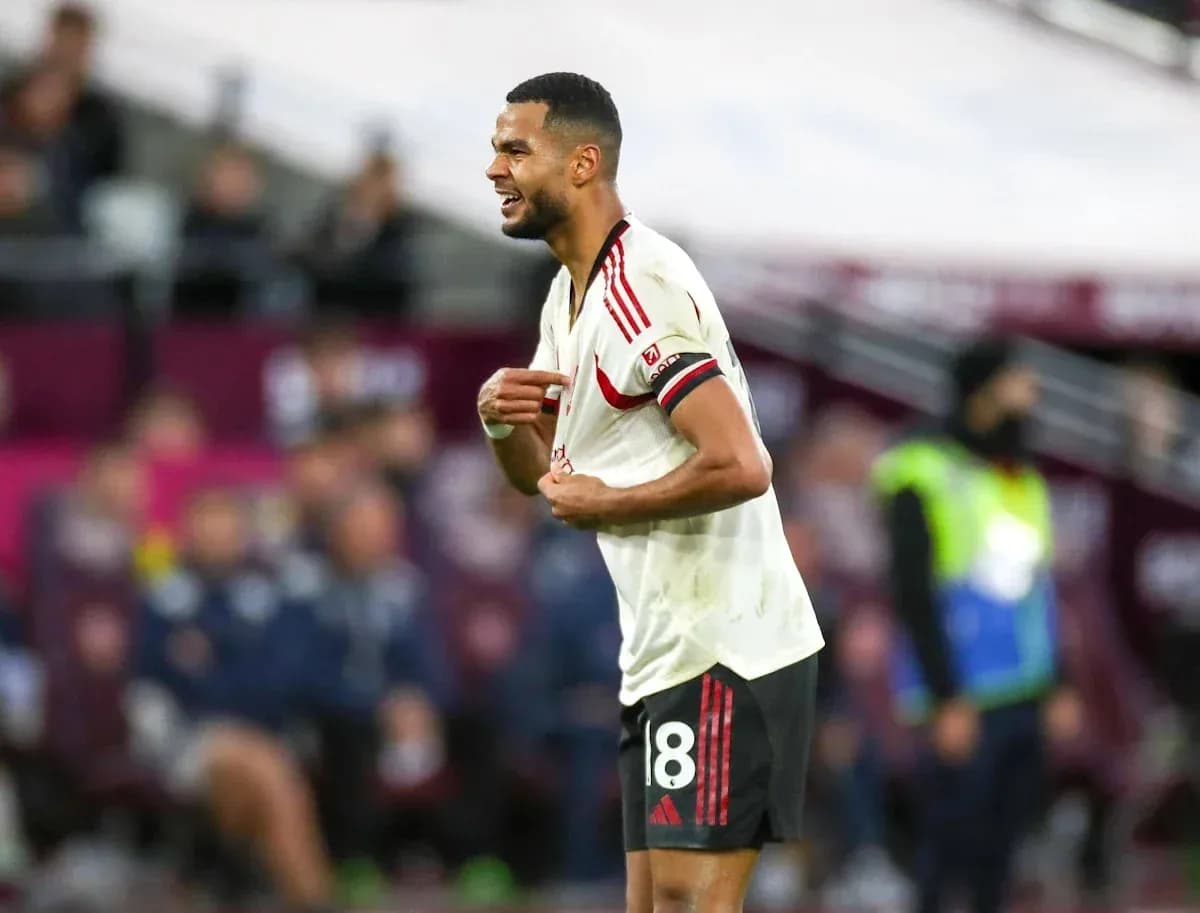
The more serious tactical debate comes via The Times, where Phil Neville delivers a blunt assessment: “Harry Maguire couldn’t play in this side – Tuchel was right to ditch him.”
The standfirst makes the logic clear. England’s head coach wants centre-backs who are quick, athletic and comfortable defending man-to-man. That, the piece suggests, is a very different brief from Manchester United’s compact, counterattacking approach in recent years.
It’s a sharp, unforgiving line on Maguire’s suitability for a modern high line. It also throws an interesting light on selection, given the presence of Dan Burn and John Stones – both excellent defenders, both hardly archetypal sprinters – in England’s plans. The principle is sound: defenders must survive in big spaces against elite forwards. The execution, as always at international level, is shaped by the imperfect options available.
England are chasing fine margins. Liverpool are squeezing value from clauses. Salah is still scoring records for his country. And somewhere in Kansas, a group of footballers step off the training pitch to choose between blueberry, raspberry and a green slushie that may or may not be apple.
The sport keeps moving. The stories around it just get stranger, louder and more inventive.