.svg&w=384&q=75 "Pitchgist logo")
World Cup 2026 Knockout Drama: Extra Time and Penalty Shootout Rules Explained
Knockout Stage Thrills as Germany and Netherlands Exit on Penalties
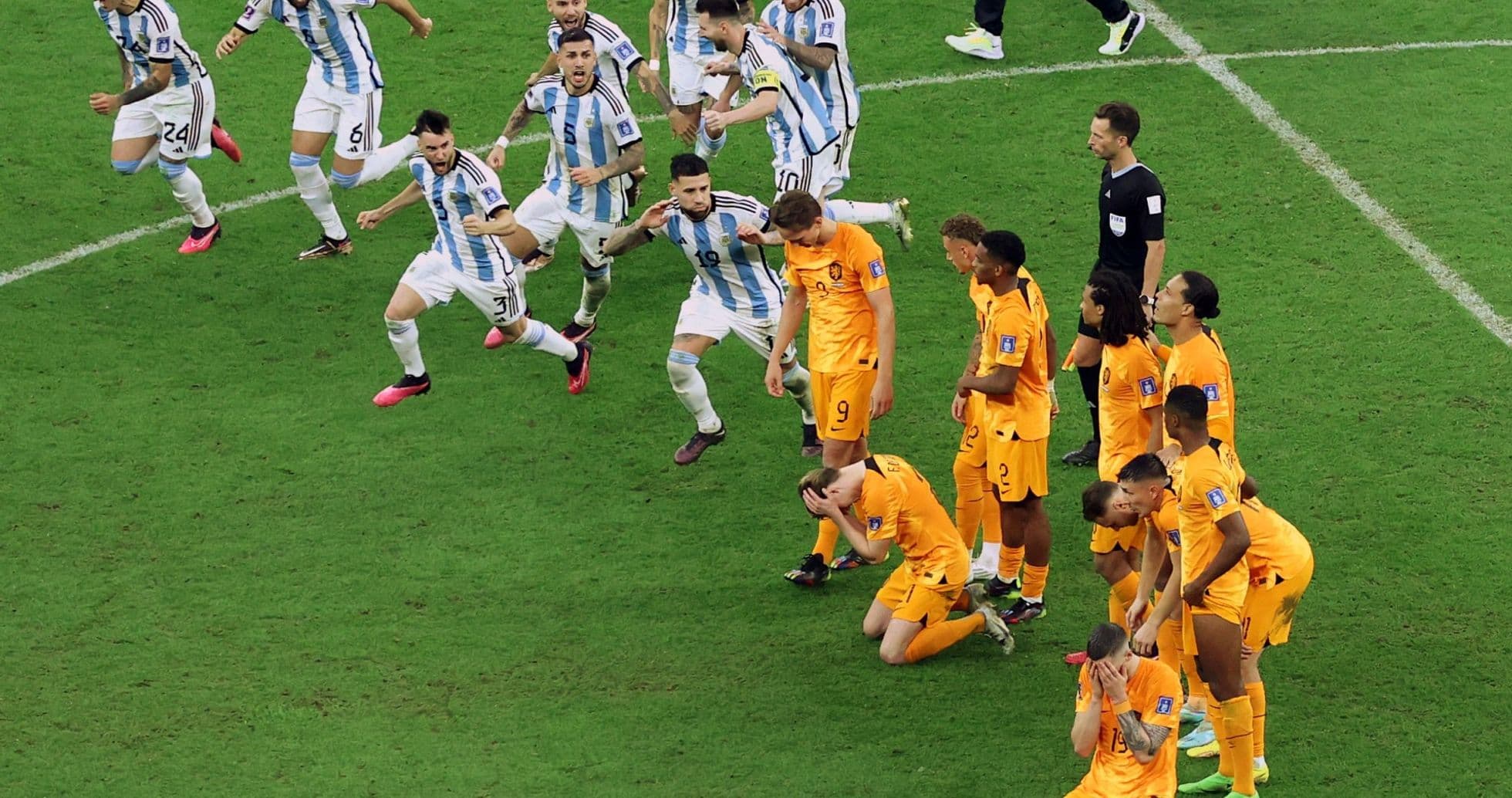
The World Cup knockout rounds have brought unexpected twists, with both Germany and the Netherlands eliminated in penalty shootouts. Paraguay stunned four-time champions Germany after a 1-1 draw through extra time, clinching victory from the spot. Just hours later, Morocco overturned the Dutch side, winning 3-2 on penalties following a comeback.
Extra Time Procedures at the World Cup
Matches tied after 90 minutes head into extra time, consisting of two halves of 15 minutes each. Teams get a brief pause between these periods but no special hydration breaks beyond regular time. Each side is allowed one additional substitution during extra time. Unlike past tournaments, there’s no golden goal rule; the game continues regardless of who scores first in this period.
The golden goal system had made appearances in the 1998 and 2002 World Cups, famously awarding victories to players like France's Laurent Blanc, but it is absent in 2026.
Penalty Shootout Details
If the score remains even after 120 minutes, the contest moves to penalties, a method introduced in 1978. Coin tosses determine which team shoots first and which goal will be used. Each side alternates five kicks, with only players on the field allowed to participate.
Every player, including goalkeepers, must take a penalty before anyone can take a second shot. If still tied after those initial attempts, sudden-death rounds begin. Rebounds are not permitted, and goalkeepers must stay on their line until the ball is struck. This rule played a key role in Croatia's loss when Dominik Livakovic moved early, forcing Harry Kane to retake a penalty.
Reactions to Penalty Exits
The Dutch exit sparked strong opinions. Former Sweden striker Zlatan Ibrahimovic criticized coach Ronald Koeman, saying the team lost its identity under his leadership. Thierry Henry echoed that sentiment, suggesting Koeman focused too much on defense rather than seeking victory.
Koeman defended his choices, explaining the need for a cautious approach after conceding an equalizer and saying he would make the same decisions again. The Dutch players reportedly supported this strategy.
Germany’s elimination also caused uproar. Media outlet Bild described their performance as "disastrous," calling it a nightmare for German football given their status as 2014 champions. Their play was labeled slow and uninspired.
Reactions crossed borders, with Italian media congratulating South American teams and French outlets naming Germany’s exit the biggest shock so far.