.svg&w=384&q=75 "Pitchgist logo")
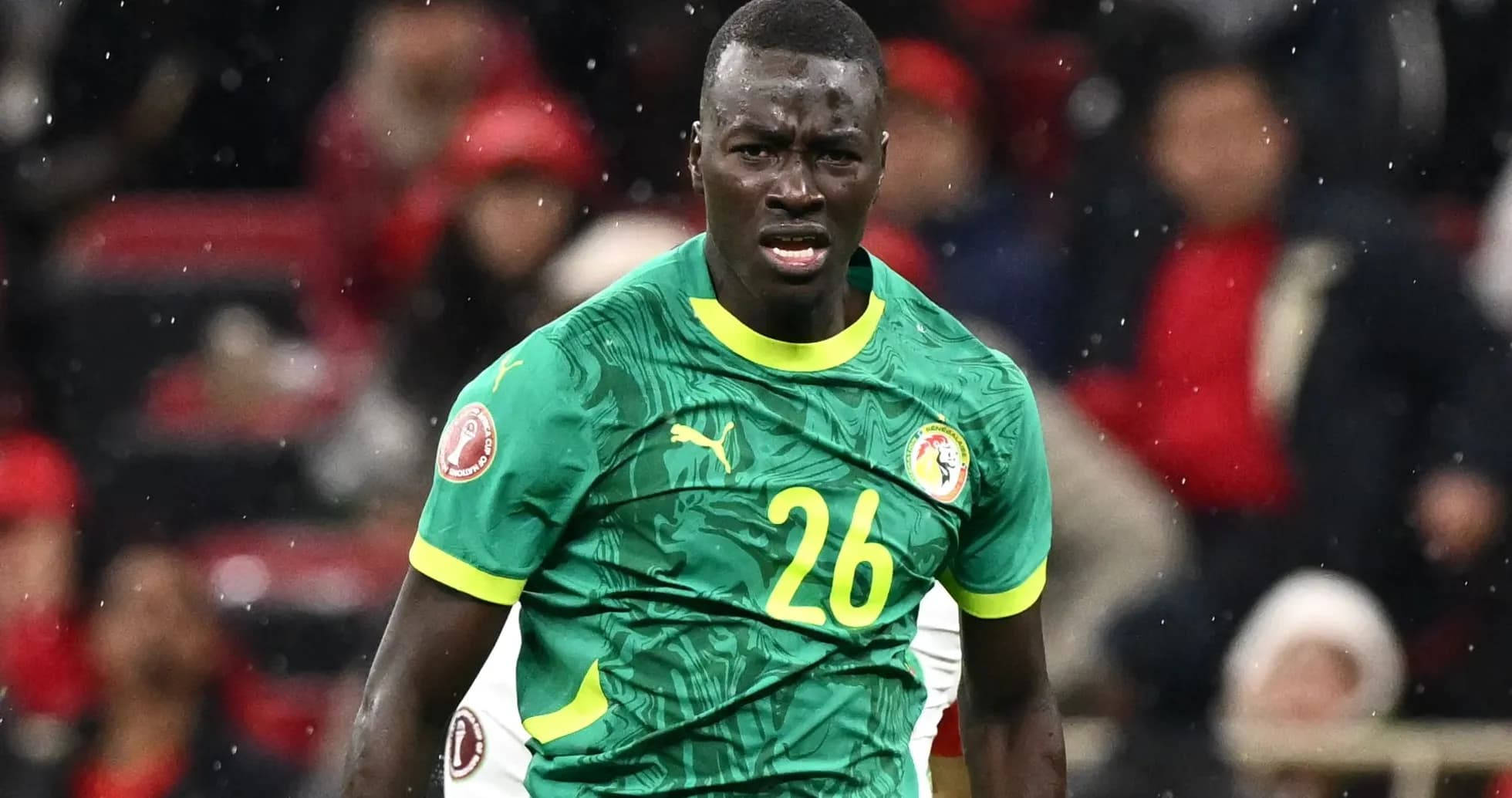
Gueye Announces Break from Senegal Team After World Cup Exit
Senegal’s World Cup exit was brutal enough. The fallout might be even worse.
Hours after the Lions of Teranga crashed out in a 3-2 extra-time defeat to Belgium, midfielder Pape Gueye announced he will no longer play for the national team as long as the current coaching staff remains in charge.
The message landed not in a press conference, but on his Instagram story – raw, direct, and impossible to ignore. Gueye wrote: "l'Il be back to give you a few words regarding elimination... but l announce today that as long as it's this technical staff l'II take a break from the selection."
No ambiguity. No soft landing. A key figure of Senegal’s campaign effectively walking away on the night of one of the most painful defeats in the country’s recent history.
From Cruise Control to Collapse
The backdrop to this rupture was a second half that will haunt Senegalese football for years.
For an hour, Pape Thiaw’s side looked to be strolling into the Round of 16 and a date with the USA. Habib Diarra struck, Ismaila Sarr followed, and at 2-0 up Senegal had one foot in the knockout phase. They were sharper, more aggressive, and in apparent control of a Belgium side that looked short of ideas.
Then came the 64th minute. Gueye off, Lamine Camara on.
From that moment, the game’s rhythm shifted. Belgium pushed higher, Senegal retreated a few yards too many, and doubt crept in.
The pressure finally told in the closing stages. Romelu Lukaku pulled one back, Youri Tielemans levelled in the final ten minutes, and what had felt like a procession suddenly became a siege. Senegal, who had been managing the match with authority, now looked like a side clinging on.
Extra time only deepened the sense of inevitability. In the 125th minute, VAR intervened, a penalty was awarded, and Tielemans completed the turnaround from the spot. A 2-0 lead had evaporated into a 3-2 defeat. A campaign that had promised so much ended with Senegal on their knees.
Thiaw Under Fire
When the dust settled, all eyes turned to Pape Thiaw.
His substitutions, particularly the decision to withdraw Gueye and other key players while leading, came under immediate and fierce scrutiny. In the mixed zone and press room, the line of questioning was relentless: why take off your leaders when the job wasn’t finished?
Thiaw defended his choices with a simple explanation – fatigue.
"They were tired and couldn’t continue. Leaving them on the field would have been unprofessional on our part. We had to replace them, like for like," he said. "Of course, when you lose a match after leading 2-0, people inevitably talk about the substitutes. But you can't reduce everything to that. These changes were primarily dictated by fatigue, more than by tactical considerations."
His words did little to cool the debate. Gueye’s social media announcement only poured fuel on it. For many fans, this was no longer just about one game management decision, but about a growing fracture between the dressing room and the bench.
A Team Already on Edge
This is not Thiaw’s first brush with controversy.
He arrived at this World Cup already carrying baggage from the Africa Cup of Nations final against Morocco, where he ordered his players off the pitch in protest at a refereeing decision. Senegal eventually returned and won the match on the field, only for CAF to overturn the result later and award the title to Morocco.
That episode raised questions about Thiaw’s judgment and temperament on the biggest stages. The World Cup exit and Gueye’s open revolt now sharpen those concerns.
The sense around the team is no longer just one of sporting disappointment. It feels like a structural crisis.
A Bitter End – And an Uncertain Future
In the immediate aftermath of the Belgium defeat, Thiaw cut a dejected figure.
"We just lost a match that was really important to us. We wanted to qualify for the Senegalese people, we thought we deserved it, but unfortunately, we are eliminated. I am sad, the players are sad too, because they really wanted this qualification," he said.
Sadness is one thing. Open defiance from a key midfielder is another.
Senegal now leave the World Cup with a broken lead, a broken campaign, and, for the moment, a broken relationship between one of their most important players and the coaching staff. The question is no longer just how they lost to Belgium.
It’s whether this team, under this management, can convince its best talents to come back.