.svg&w=384&q=75 "Pitchgist logo")
Michael Edwards' Liverpool Return: Unfinished Business and FSG's Vision
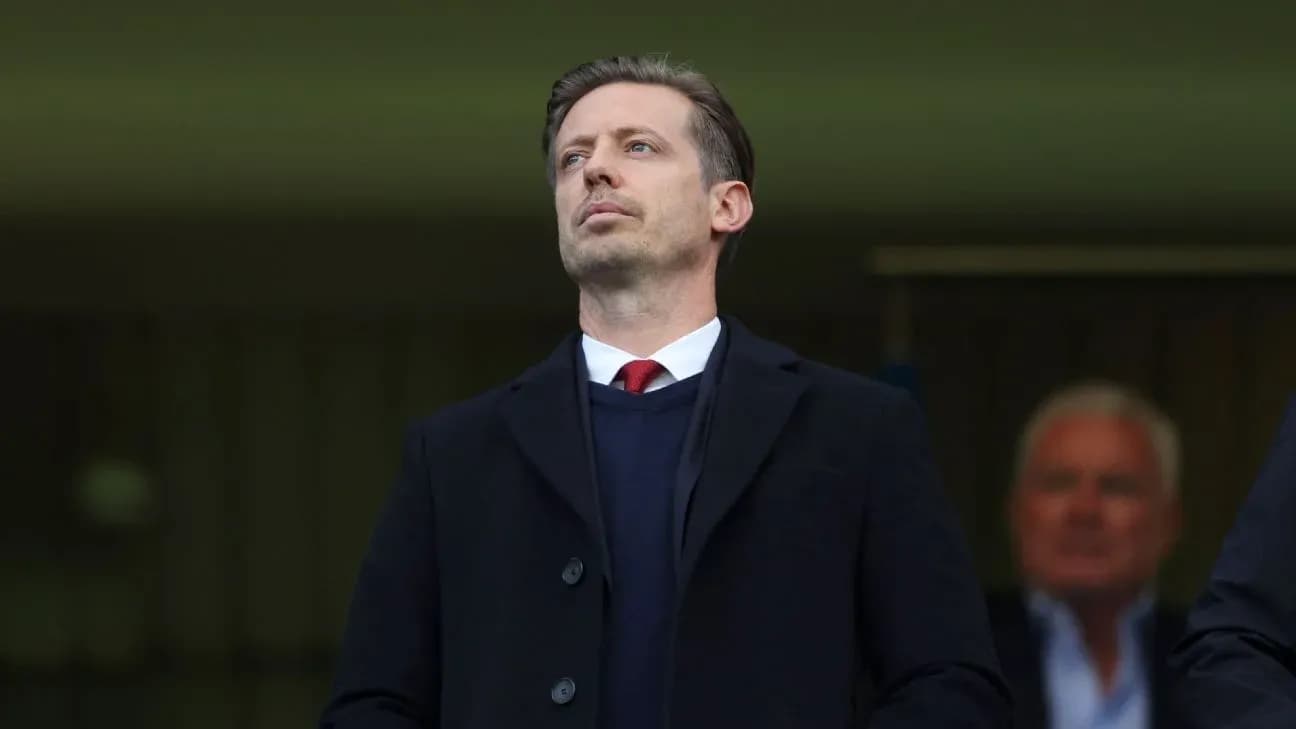
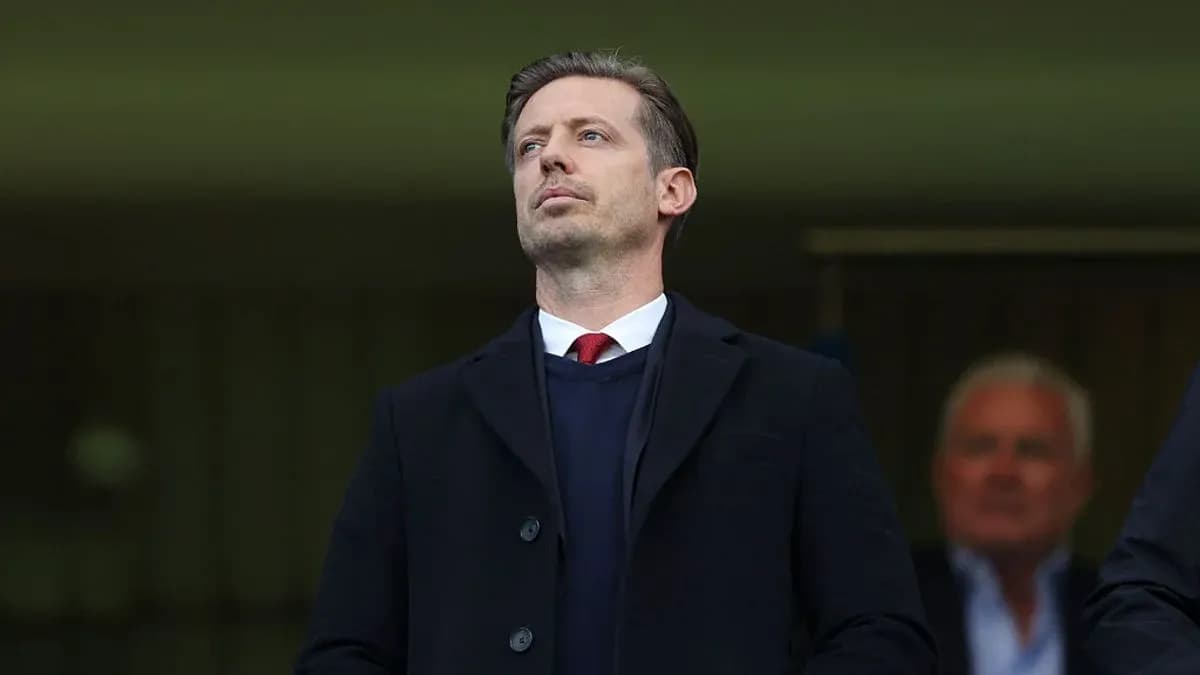
Michael Edwards’ second Liverpool chapter was never meant to end like this. Not this quickly, and not with a sense of unfinished business hanging over Fenway Sports Group’s grand plan.
When Edwards agreed to return in 2024, it was on a very different brief to the one that made his name. No longer the quiet architect of Jurgen Klopp’s great Liverpool side, he stepped back in as FSG’s CEO of football, a role designed to stretch far beyond Anfield. The hook was clear: a multi-club model, with Liverpool at the centre of a wider European network.
That promise never materialised.
According to The Athletic, Edwards was “frustrated” that FSG failed to deliver on the key condition that lured him back — the acquisition of a second European club. Two years on, no such purchase has been made. The multi-club project that was meant to define his new era has stalled, and with it, his patience.
For a figure of Edwards’ standing, this was no small compromise. During Klopp’s reign, he had been the sharp mind behind some of Liverpool’s defining modern signings: Mohamed Salah, Sadio Mane, Andy Robertson. Those deals reshaped the club’s trajectory and helped restore Liverpool to the elite. When he walked away in 2022, he did so at the peak of his reputation, armed with offers from Manchester United and Chelsea and no shortage of leverage.
So when he chose to return, it said plenty about the scale of what FSG were pitching. This wasn’t just about guiding Liverpool through life after Klopp. It was about building something bigger, a structure to rival the multi-club empires now shaping the European game.
Instead, the broader vision has “evolved differently”, as Edwards himself put it in his parting statement. The polite phrasing masks a blunt reality: the central plank of his mandate never came to life.
“I leave believing Liverpool is in a strong position, with outstanding people, a clear direction and the foundations in place for continued success,” Edwards said. The club, in his eyes, is stable. The wider FSG football project is not what he signed up for.
He made no attempt to hide how crucial that wider project had been in his decision to come back. “When I returned, I was excited not only by the opportunity to help guide Liverpool through an important period of transition, but also by the chance to help shape FSG’s wider football ambitions,” he said. That chance, ultimately, did not unfold as promised.
Inside the club, the consequences are immediate. Mike Gordon, FSG’s president and a familiar powerbroker at Anfield, is expected to resume day-to-day control of football operations. He has done the job before and knows the terrain, but his return underlines how quickly the new structure has been unwound.
Richard Hughes, brought in by Edwards to serve as sporting director, is also heading for the exit. He is expected to leave at the end of the summer, with reports linking him to Al-Hilal. At Liverpool, Hughes had been positioned as the man to oversee transfers, a step up from his previous role at Bournemouth, where Andoni Iraola did not grant him the same level of control.
The Edwards–Hughes axis was supposed to be the engine of Liverpool’s next cycle. Instead, it looks like a brief, aborted experiment.
Edwards’ departure, announced just a year after his return, sharpens the focus on FSG’s strategic direction. In an era when rivals are assembling multi-club networks to share talent, resources and pathways, FSG’s hesitation carries a cost. They courted one of the game’s most respected operators with the promise of joining that arms race. Then they never truly entered it.
Still, Edwards chose to leave on gracious terms. He thanked Mike Gordon, John Henry, Tom Werner and “everyone across FSG and Liverpool” for their support and friendship, and reserved a final nod for the supporters “whose passion makes this club so special”.
“I will always be grateful to have been part of its story,” he concluded.
The story now moves on without him. FSG return to a more traditional model, with familiar faces back at the helm and a major strategic question still unanswered: in a football landscape increasingly shaped by multi-club power blocs, can Liverpool keep pace while standing alone?