.svg&w=384&q=75 "Pitchgist logo")
Michael Edwards Exits FSG Role: Liverpool Faces Uncertainty
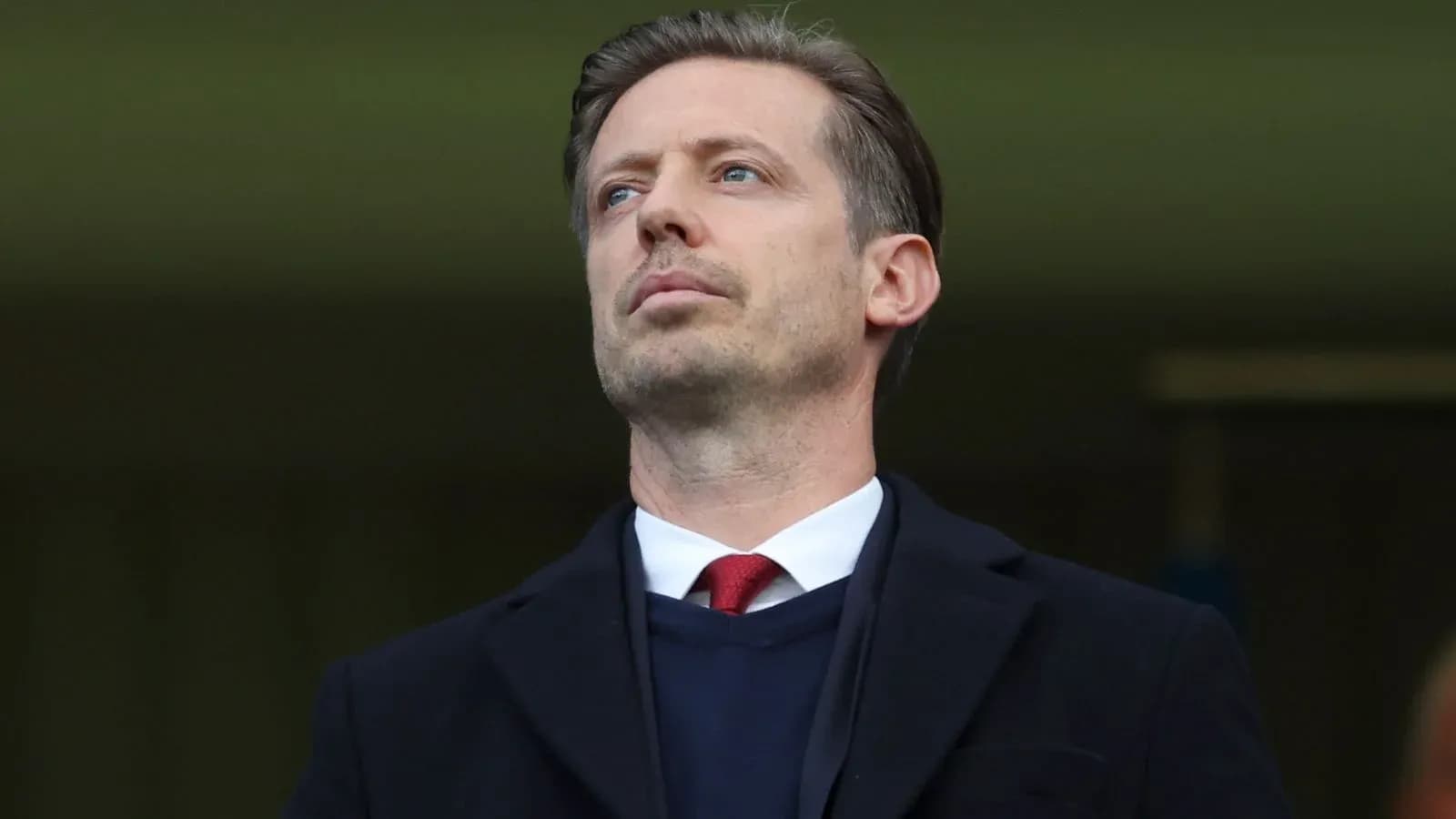
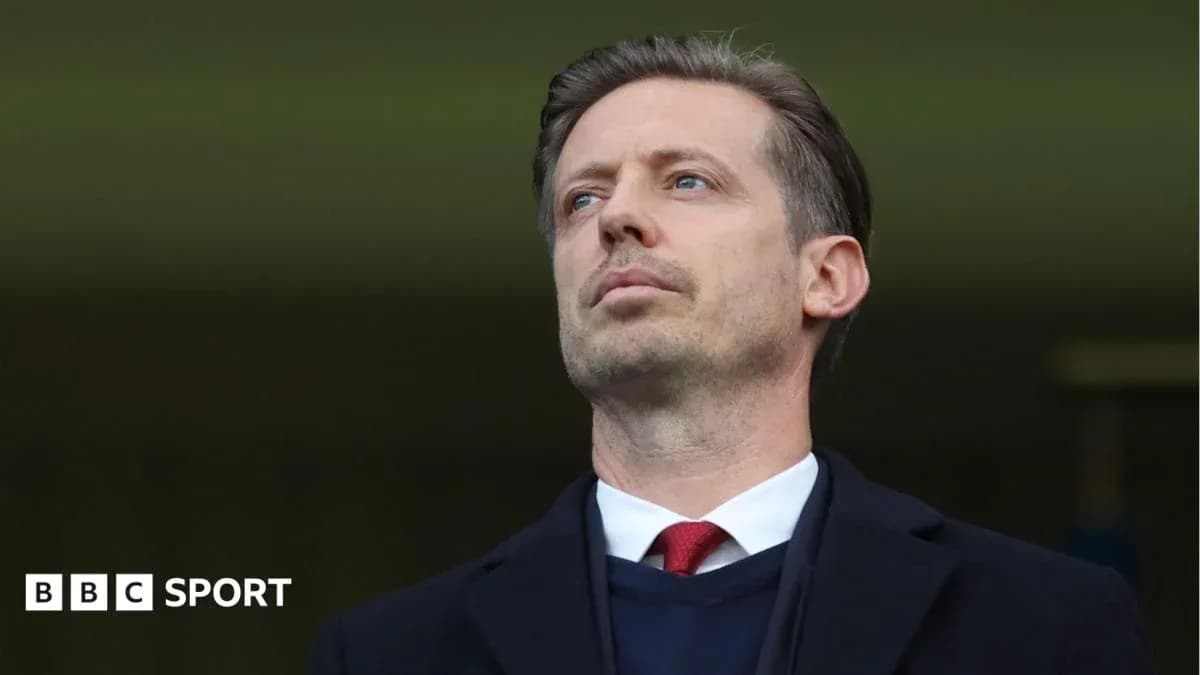
Michael Edwards has stepped away from his position as Fenway Sports Group’s chief executive of football, leaving Liverpool’s ownership group at another delicate crossroads just as the post-Jurgen Klopp landscape begins to take shape.
FSG framed the move as part of a “planned transition following the completion of key strategic priorities”, yet the timing feels anything but routine. Edwards departs two years into a three-year contract, having only returned to work closely with Liverpool in March 2024, when he was brought back to oversee the club’s shift away from the Klopp era.
Group president Mike Gordon admitted the owners are “naturally disappointed” by his exit. That choice of words tells its own story.
A short second act
Edwards’ second spell with FSG was supposed to be long-term and visionary. He had been hired to guide not only Liverpool’s immediate football transition but also to help map out FSG’s broader ambitions in the game.
In his parting statement, he insisted the club remain on solid ground.
“Liverpool is in a strong position, with outstanding people, a clear direction and the foundations in place for continued success,” he said, underlining the work done behind the scenes since his return.
He also lifted the lid, gently, on why this chapter has closed so quickly.
“When I returned, I was excited not only by the opportunity to help guide Liverpool through an important period of transition, but also by the chance to help shape FSG's wider football ambitions.
“While that broader project ultimately evolved differently to how we had originally envisaged, I am proud of the work our team undertook in presenting ownership with a broad range of thoughtful and well-developed options for the future.”
The project changed. Edwards moved on. The message is tidy; the implications are not.
Big decisions, fewer architects
Liverpool now stare at a summer stacked with major calls and, suddenly, one fewer architect to shape them.
The most obvious challenge is replacing Mohamed Salah. The Egyptian forward, the club’s defining attacking figure of the Klopp era, left at the end of last season. Finding someone to carry that burden — goals, aura, reliability — would test even the most settled recruitment structure. Liverpool’s is no longer that.
Speculation is already swirling around sporting director Richard Hughes, whose own future has been thrown into doubt. If Hughes were to follow Edwards out of the door, Liverpool’s carefully curated sporting hierarchy would be ripped up just as the club attempts to retool for a new manager, a new forward line and a refreshed identity.
This is not the moment a club of Liverpool’s ambitions wants instability upstairs.
The legacy that looms over the present
Part of the tension comes from the shadow of Edwards’ first spell at Anfield. He originally joined Liverpool in 2011, rising to sporting director in 2016 and staying in that role until the summer of 2022.
Those years changed the club.
Under his watch, Liverpool built one of the most efficient and admired recruitment operations in Europe. Salah, Roberto Firmino, Sadio Mane, Andy Robertson, Virgil van Dijk — each transfer a calculated strike that reshaped the team and, collectively, ended a 30-year wait for a top-flight title in 2020.
That track record is why his return in 2024 was hailed as a coup for FSG. It is also why his early departure now feels so jarring.
The man who once helped define Liverpool’s rise has stepped away again, just as the club tries to prove it can thrive without Klopp and without Salah.
The structure remains, the ownership insists. The question is whether the next phase of Liverpool’s story can be written with the same clarity, now that one of its sharpest authors has left the page.