.svg&w=384&q=75 "Pitchgist logo")
Michael Edwards Leaves Liverpool: The End of FSG's Multi-Club Vision
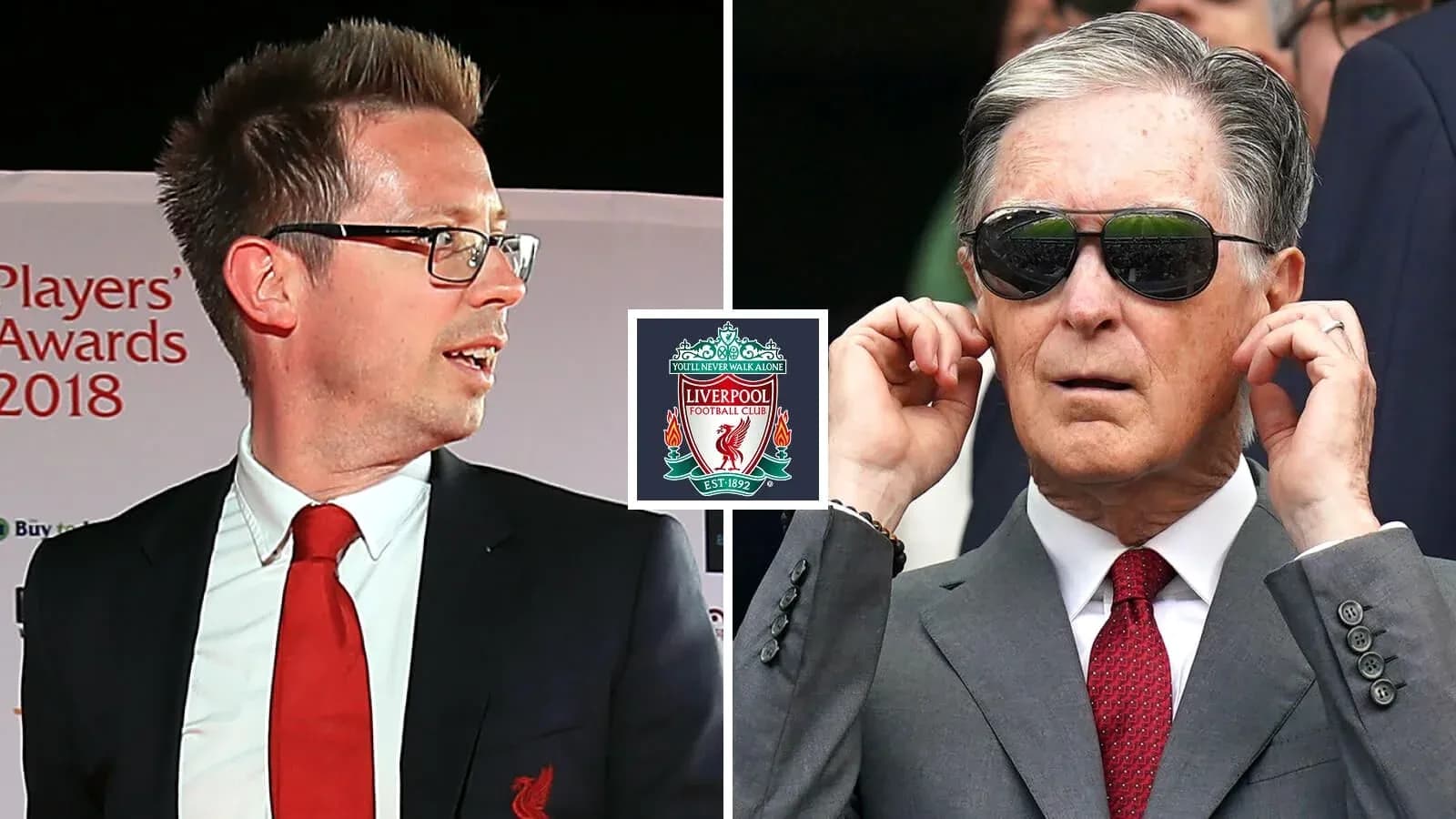
Michael Edwards’ second Liverpool chapter is over – and so is FSG’s grand multi-club vision, for now.
The architect of much of the club’s modern success is walking away from Fenway Sports Group before the start of next season, with FSG president Mike Gordon stepping back in to run football operations rather than an external replacement being hired.
It is a striking end for a figure who once quietly helped reshape Liverpool, and who returned in 2024 with a very different brief.
From transfer mastermind to frustrated executive
Edwards first built his reputation at Liverpool as sporting director, overseeing the recruitment that underpinned the Jurgen Klopp era. He left in 2022 with his stock sky-high, only to be tempted back two years later as FSG’s CEO of football.
This time, the job was supposed to be bigger. Not just Liverpool, but a network. A multi-club model. A portfolio of teams under the FSG umbrella, with Edwards steering the entire project.
That was the lure. That was the promise.
But the second club never came.
Reports earlier this year from The Athletic’s Liverpool correspondent James Pearce laid bare the stalemate. Plans to buy a second club had been “effectively shelved”, leaving Edwards “frustrated by the impasse”. The grand strategy he had signed up to lead was stuck in neutral.
All the while, Liverpool themselves were navigating a period of upheaval: the succession from Klopp, the restructuring of the football department, the short-lived tenure of Arne Slot, who was dismissed after a poor 2025/26 campaign. Edwards and sporting director Richard Hughes were contracted until 2027, but the long-term blueprint around them was already fraying.
The pressure finally told.
Exit confirmed, Gordon steps back into the spotlight
Edwards’ departure has now been made official. His parting words were measured but telling.
“It has been a privilege to return to Fenway Sports Group and Liverpool Football Club at such an important moment,” he said. “I leave believing Liverpool is in a strong position, with outstanding people, a clear direction and the foundations in place for continued success.”
The message: the house is in order. The decision is personal and strategic, not a reaction to crisis.
Gordon, speaking for FSG, did not hold back in his praise.
“Michael has made an extraordinary contribution to Liverpool Football Club and Fenway Sports Group throughout his time with our organization,” he said, highlighting Edwards’ broader leadership role on his 2024 return and his influence during a “significant period of transition” that ended with Liverpool clinching their historic 20th English league title.
Gordon’s tribute underlined the scale of Edwards’ impact, but it also framed what comes next. There will be no like-for-like replacement. As Pearce reported, Gordon will resume direct control of football operations, with FSG opting against recruiting a new CEO of football.
The circle closes: the president back at the helm, the visionary project parked.
Multi-club dream that never materialised
The key fault line is clear. The multi-club model that drew Edwards back never materialised in the way he had been led to expect.
Journalist Ben Jacobs detailed how the relationship unraveled. Edwards, he reported, informed FSG last autumn that he would leave once it became apparent they were not expanding their football portfolio. Despite that, he stayed on to support Hughes and help Liverpool through the transition.
Targets had been explored. Bordeaux was initially assessed. Getafe, too, was seriously considered. But when the latter deal stalled, the writing was on the wall. Without a second club to acquire, the job Edwards had been sold no longer existed in reality.
“The role Edwards fulfilled became very different to the one he’d been promised,” Jacobs explained. The multi-club architect was left effectively running a single-club operation. That was never the long-term plan on his side.
Once that disconnect hardened, his exit became inevitable.
What it means for Liverpool – and for Edwards
For Liverpool, the timing is delicate but not disastrous. Edwards leaves with the club described as stable, with “foundations in place for continued success”. Gordon’s return to hands-on control offers continuity at ownership level, even if the grander strategic vision has been scaled back.
For FSG, it is a reality check. The multi-club race across Europe continues, but their move into that arena has stalled. Their most high-profile football executive is leaving largely because that ambition never advanced beyond the exploratory stage.
As for Edwards, he will not be short of offers. Jacobs notes he is “unlikely to seek another extended break from football”, and with his track record in recruitment, squad building and strategic planning, the queue for his services will be long and international.
He came back to build an empire. He leaves having helped deliver a 20th league title, but without the network he was promised.
The next question is not whether he works again at the top level. It is which club will hand him the keys to the kind of project FSG never truly delivered.