.svg&w=384&q=75 "Pitchgist logo")
Liverpool Faces Major Changes as Michael Edwards Resigns
Liverpool have grown used to change on the pitch. This summer, the real turbulence is upstairs.
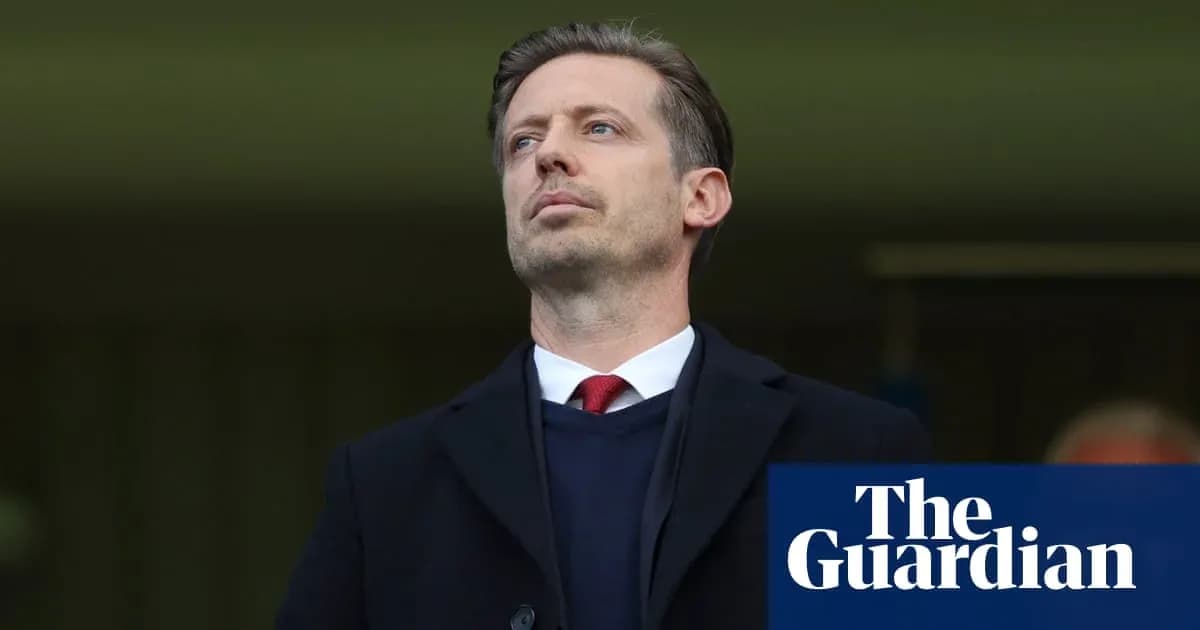
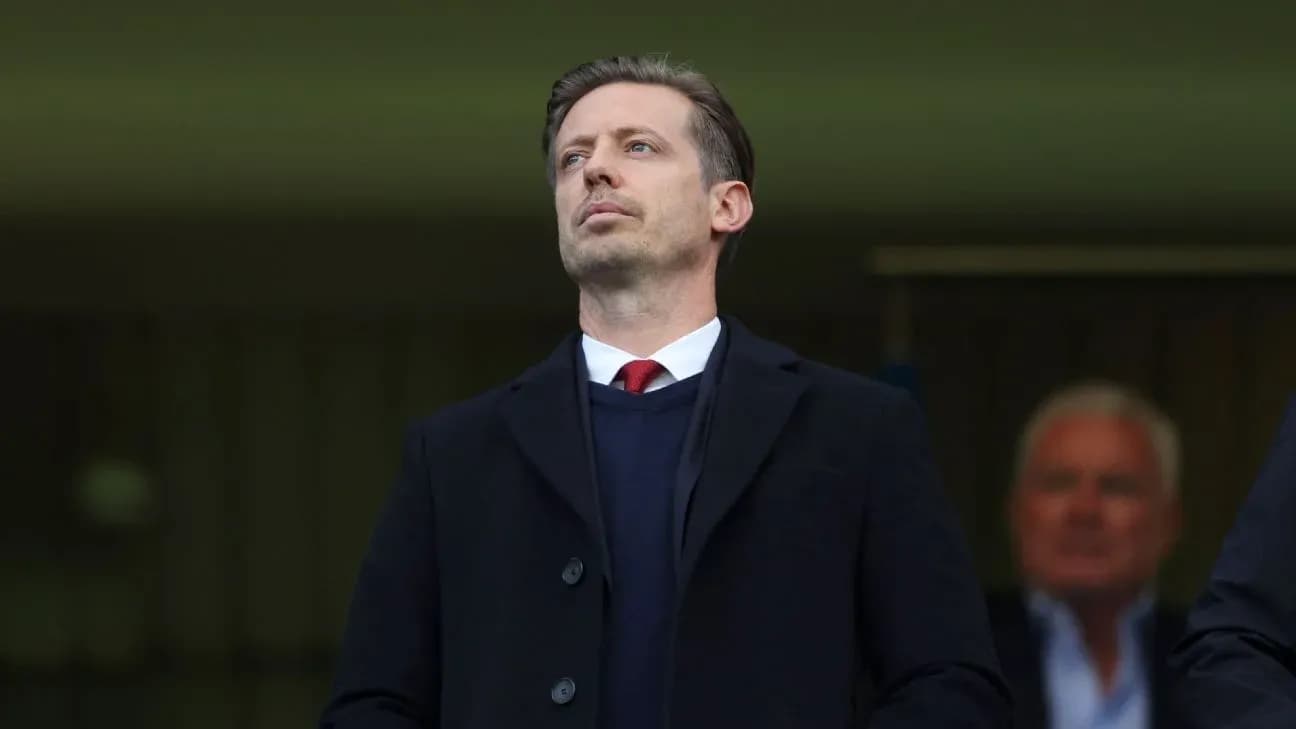
Michael Edwards, the architect of much of Liverpool’s modern football operation and the man Fenway Sports Group (FSG) brought back to spearhead their multi-club ambitions, has walked away with a year left on his deal. His resignation is immediate, his departure abrupt, and the timing uncomfortable for an ownership already juggling a new head coach and uncertainty over the sporting director.
Edwards walks, Gordon steps in
Edwards rejoined FSG in 2024, not to reprise his old sporting director role under Jürgen Klopp, but to build something bigger: an expanded FSG football portfolio, with a second club to sit alongside Liverpool. The brief was clear. The execution stalled.
FSG looked at more than 20 clubs across Europe, including Bordeaux and Málaga. Conversations were held, models were studied, options were presented. Nothing stuck. The project was eventually shelved earlier this year, and with it, by all accounts, went Edwards’ patience.
Sources indicate Liverpool’s American owners tried to keep him. They failed. Frustrated by the lack of progress on acquisitions, Edwards tendered his resignation and chose not to see out the final 12 months of his contract.
FSG framed his exit as “the culmination of a planned transition following the completion of key strategic priorities.” The language was tidy. The reality is messier: a central figure in their football strategy has gone at a time when stability would have been gold dust.
Into that gap steps FSG president Mike Gordon, long a key powerbroker behind the scenes. He is expected to take a more hands-on role in Liverpool’s day-to-day running, a return to a more direct oversight model rather than the delegated, specialist-led structure Edwards had come to symbolise.
A club in transition, again
Edwards’ exit does not land in isolation. It drops into a summer already defined by change at Anfield.
On the touchline, Arne Slot has gone, replaced by former AFC Bournemouth manager Andoni Iraola. That alone would mark a significant shift in footballing direction and dressing-room dynamics. Above Iraola, the picture is no less fluid.
Sporting director Richard Hughes, the man who appointed Iraola and whose contract runs until the summer of 2027, faces questions about his own long-term future amid links to Al Hilal in the Saudi Pro League. If Hughes follows Edwards out of the door in the coming years, Liverpool’s entire sporting hierarchy could be reshaped in a remarkably short space of time.
For a club that once sold itself on continuity and clear lines of authority, the layers are beginning to peel away.
Legacy of a title architect
Edwards leaves with his fingerprints all over Liverpool’s evolution in the past decade. As sporting director under Klopp until 2022, and then as FSG’s football chief, he helped build the structures that underpinned Liverpool’s rise and culminated in the Premier League title in 2025.
His second spell at FSG was supposed to be about scale: not just guiding Liverpool through a period of managerial transition, but turning FSG into a serious multi-club operator. That vision never materialised in the way it was originally sold to him.
In his parting statement, Edwards struck a tone of pride and unfinished business rather than bitterness. He called it “a privilege” to return to FSG and Liverpool “at such an important moment,” and insisted the club is “in a strong position, with outstanding people, a clear direction and the foundations in place for continued success.”
He also acknowledged that the broader FSG project “ultimately evolved differently to how we had originally envisaged,” while stressing his satisfaction at the “broad range of thoughtful and well-developed options” presented to ownership.
There was a final nod to Mike Gordon, John Henry, Tom Werner, and to the supporters “whose passion makes this club so special,” and a line that will resonate with many: he will “always be grateful to have been part of its story.”
The question now is who writes the next chapter of that story from the boardroom – and how quickly Liverpool can turn upheaval into a renewed, coherent vision before the next cycle on the pitch begins in earnest.