.svg&w=384&q=75 "Pitchgist logo")
Manchester City Sign Elliot Anderson for Record Fee
Manchester City have landed their man. Elliot Anderson, the most coveted midfielder on the market, is heading to the Etihad in a deal that underlines just how far the transfer economy has spiralled.
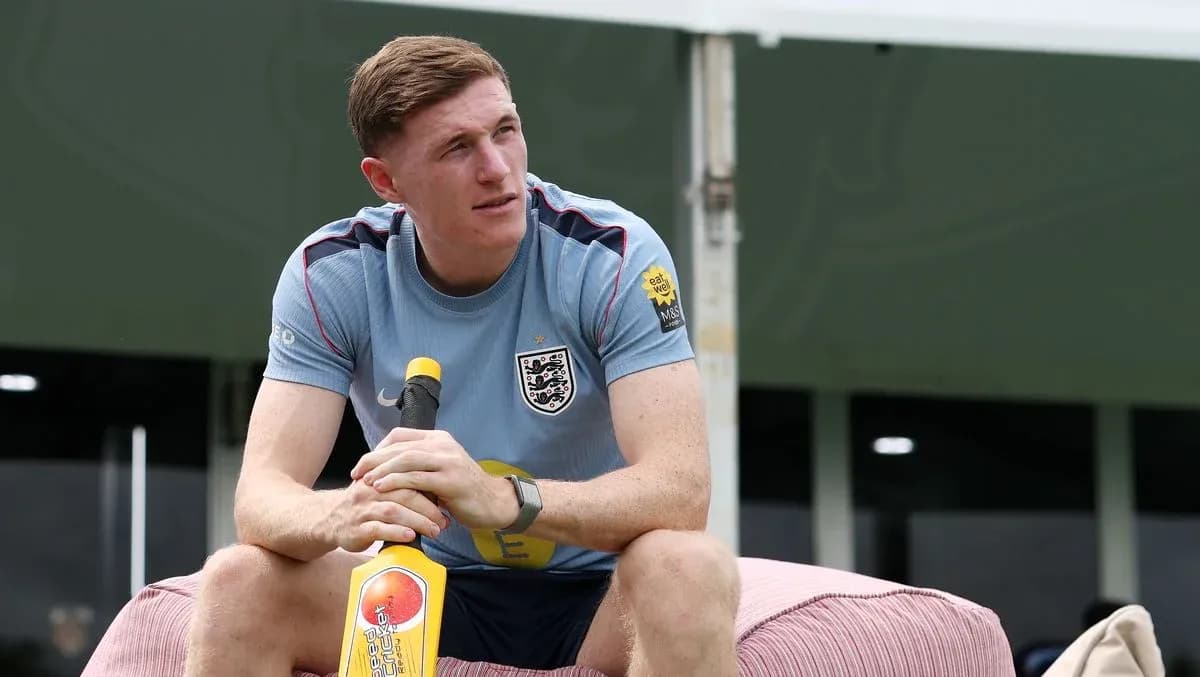
Out in Kansas City, a recent photo showed Anderson smiling, cricket bat in hand at England’s training camp, looking every inch the relaxed tourist. Beneath that calm exterior, though, the noise around his future has been deafening for weeks. Now it’s done.
City have agreed a fee of £116million with Nottingham Forest, a figure already being challenged by sources close to Forest who insist the true number is £130m. Whatever the final accounting line, the outcome is the same: Anderson will become the most expensive British player of all time.
United step away from the table
Manchester United were in that race. Briefly. They walked away when City’s opening, sky‑high bid was knocked back and the auction began to climb into dangerous territory.
This is exactly the scenario Omar Berrada has been preparing supporters for. The United CEO has been clear that the club will not be dragged into bidding wars that blow apart their financial framework.
“We have to be really disciplined, it’s simple. We have a plan, we know what we can invest, and we have to stick to that,” he said on the club’s in-house podcast. He stressed that United will spend for the long term — “not just the next two or three years, but the next 10 years” — but on one condition: “It’s very important that you don’t let the market or the agents dictate.”
The Anderson saga became the first major test of that stance. On the pitch, he would have been an outstanding candidate to succeed Casemiro, a midfielder with the quality and profile to anchor United’s next era. On the balance sheet, he became a line they were not willing to cross.
Fernandes, Tottenham and a new battle
United’s retreat from Anderson was not only about cost. Inside the recruitment department, Mateus Fernandes has been tracked as a realistic, high‑quality alternative.
The data backs that view. Last season Fernandes won more tackles and hit more accurate switches of play than Anderson. He trailed only slightly on ground duels won, total possessions won and recoveries in the defensive third. In other words, the numbers say he can do much of the same dirty work, and at 21, he has time to grow.
Relegation with West Ham opened what looked like a clean route for United to move. They sensed an opportunity to secure Fernandes at what they believed would be a fair fee for a player with back‑to‑back drops on his CV.
Then Tottenham arrived.
Spurs have now entered the conversation, a development greeted with delight in the London Stadium boardroom. If Tottenham decide to meet West Ham’s asking price of £85m, United’s carefully drawn plans are under real pressure. That figure is already beyond what United hoped to pay.
This is where Berrada’s words stop being theory and become policy in real time. United want to stay disciplined. At some point, though, they must pay for a marquee midfielder or risk watching their preferred targets disappear, one by one.
Is Fernandes worth £85m? That is the blunt question facing the football department.
A week that will shape United’s window
The clock adds another layer. The new financial year for clubs is a week away, and that’s when the market usually sharpens. Accounts close, budgets reset, and serious offers go in. It would be a surprise if Fernandes’ future is not significantly clearer by this time next week.
United are braced for that moment. They have a list of midfield options, carefully profiled by the data team, but everyone inside the club knows the reality: the further down the list they go, the more the theoretical quality drops. At some stage, they have to commit.
Behind the scenes, the message has been consistent. Money is there for a major midfield signing. The caveat is always the same: the deal must represent fair value. Anderson’s price blew past that threshold in United’s eyes. Fernandes is drifting towards the same danger zone.
An £85m fee used to buy a ready‑made superstar, not a player carrying two relegations in consecutive seasons. Fernandes is talented, his ceiling clearly higher than what he has shown in struggling teams, but the number attached to his name is a stark illustration of modern inflation.
Other doors, same dilemma
United are already scanning beyond England for better value. Germany international Felix Nmecha is firmly on the radar, and Borussia Dortmund’s history of cashing in on key assets makes any conversation more realistic than with some Premier League rivals.
That, though, leads back to the same fork in the road. Do United stretch to land the manager’s top targets in a hyper‑inflated domestic market, or do they trust their data, look abroad and accept a different risk profile?
In an ideal world, they would have had a clear run at Anderson at a sensible fee and tied up their midfield rebuild early in the window. Instead, City have smashed through the ceiling, Forest have banked a transformative sum, and United are left weighing up whether to stand firm or blink first as the next big call on Fernandes looms.