.svg&w=384&q=75 "Pitchgist logo")
Livramento Out of World Cup, Chalobah Steps In for England
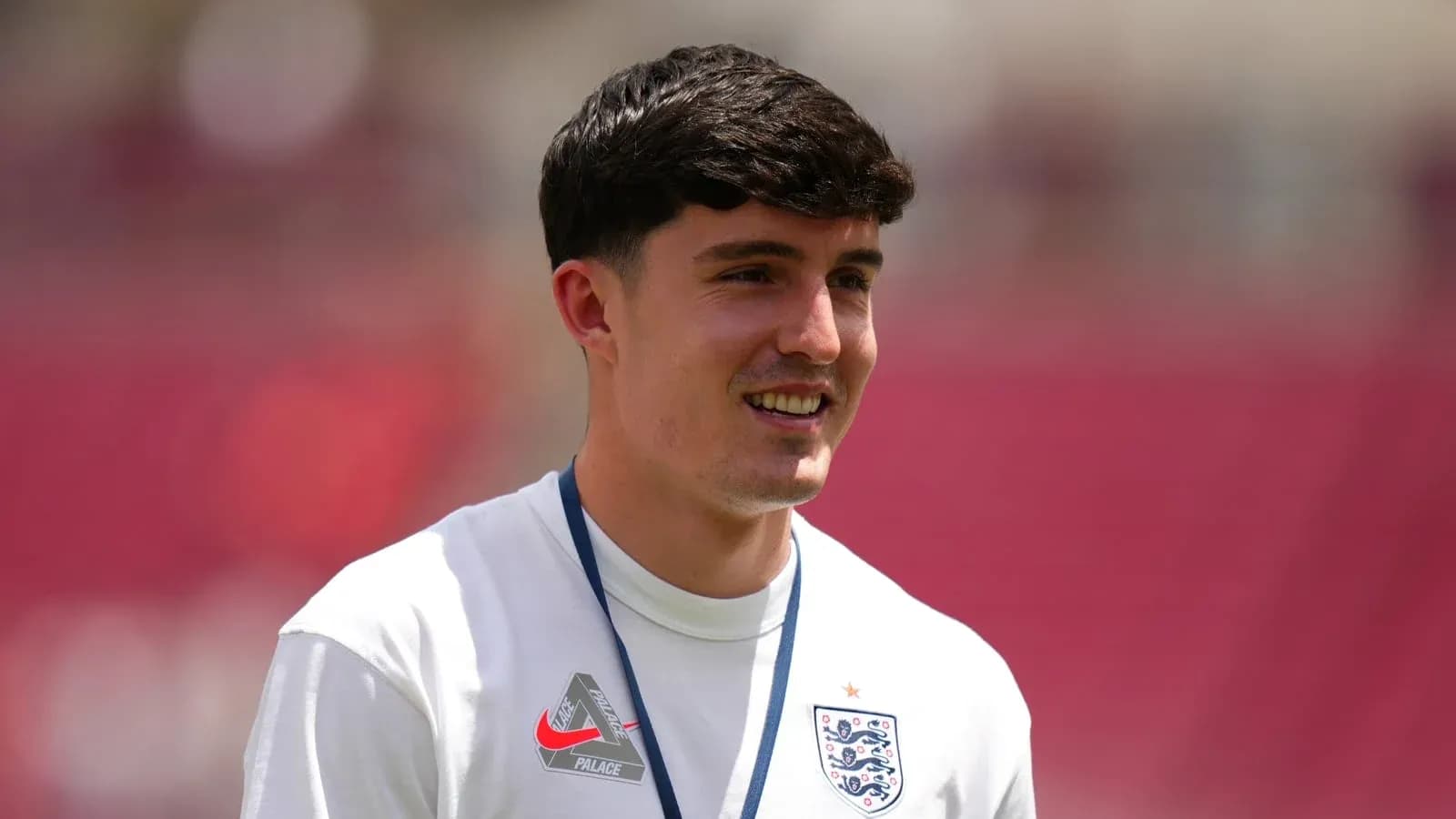
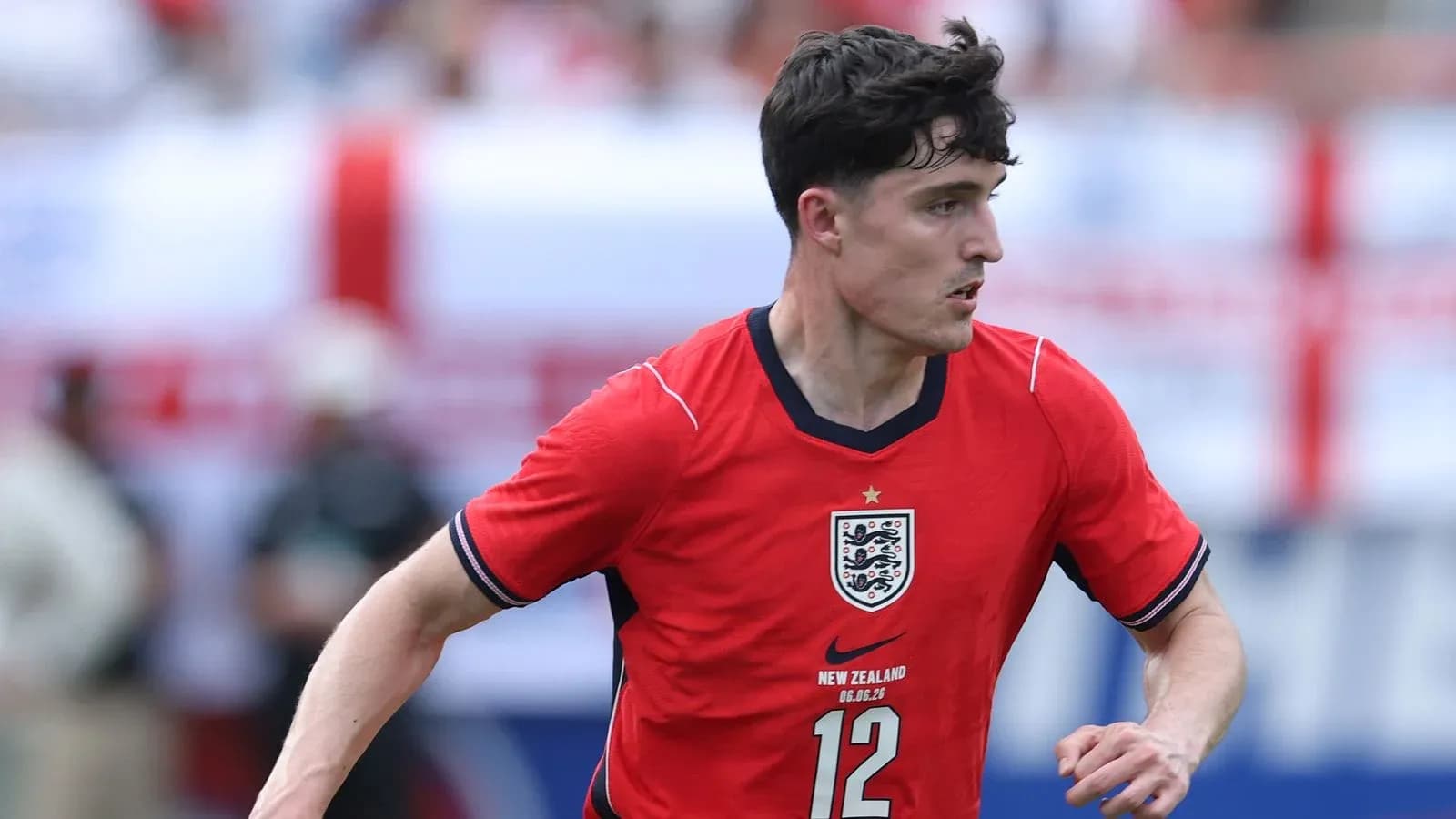
England’s World Cup plans have taken a sharp hit before a ball has even been kicked. Tino Livramento is out of the tournament with a hamstring injury. Trevoh Chalobah is on his way to replace him.
For Thomas Tuchel, it is an unwelcome early twist. For Livramento, it is a brutal one.
The 23-year-old Newcastle full-back had already fought his way back from a thigh problem that wiped out the final five weeks of his club season. He recovered in time, convinced the England staff he was ready, and squeezed onto the plane. Then came another setback, this time in training, away from the cameras.
The damage is not regarded as serious in the long term, but serious enough. With the World Cup opener against Croatia in Dallas tomorrow and FIFA’s replacement deadline looming, England have decided they cannot carry an injured full-back through a month-long tournament. His World Cup is over before it began.
The FA moved quickly. World Cup regulations allow a squad change for a genuine injury up to 24 hours before a team’s first match. With that clock ticking, Chalobah, who had been on the stand-by list, received the call.
Chalobah answers from across the Atlantic
Chalobah has not been in pre-tournament training camps or behind-closed-doors friendlies. He has been on holiday in the United States. Now he will stay there a little longer, just in a different city and under very different pressure.
The Chelsea defender is a familiar face to Tuchel from their time together at Stamford Bridge, a player the England manager trusts and understands. In a squad already trimmed of some big reputations, that trust clearly matters.
The decision to turn to Chalobah, though, will ignite a familiar debate.
Where is Trent?
The obvious name on supporters’ lips is Trent Alexander-Arnold. He is not in the squad. He is not the replacement. That will not go unnoticed.
Reporting from England’s training base, Sky Sports News’ Rob Dorsett outlined the thinking. First, logistics. England do not know exactly where Alexander-Arnold is, and with the FIFA deadline closing in, there is no guarantee they could fly him in, process the paperwork and integrate him in time.
Then there is Tuchel’s selection stance. He has already left out Cole Palmer, Harry Maguire and Phil Foden, three players who would walk into many national teams. The message was clear: if you are not likely to play, you are not coming.
Bringing in Alexander-Arnold, a global star and one of the most scrutinised English footballers of his generation, only to leave him on the bench, would run against that logic. Tuchel does not want a World Cup camp built around frustrated headline names. He wants a group he can use.
So Chalobah, versatile, tactically obedient and ready to accept any role, gets the nod.
Maguire left watching from the sidelines
The other high-profile name hovering around this story is Harry Maguire. He is also in the United States, working in the media, but he will not be joining up either.
According to Dorsett, the relationship between Tuchel and the Manchester United defender has been strained since the original squad announcement. When Tuchel called to tell Maguire he had been left out, the conversation was tense. Maguire later said publicly that Tuchel could not give him a clear reason for his omission, and admitted he “gave him a few words” in response.
Maguire has insisted he would have been happy to play even a single minute at the World Cup, just to be part of it. Yet his decision to release his own statement about being left out before the official squad announcement did not go down well in the England camp. It was seen as jumping the gun, and it has not helped his chances of a late recall.
So as England scramble to adjust their defensive options on the eve of a major tournament, Maguire stays in the studio, Alexander-Arnold stays out of reach, and Chalobah steps into the gap.
A test of England’s depth and Tuchel’s resolve
Livramento’s absence strips England of a dynamic, modern full-back who offers pace, one-on-one defending and attacking thrust down the flank. In a group that demands energy and adaptability, that loss is not trivial.
Yet this is exactly the sort of disruption a World Cup exposes. Squads are stretched, plans are ripped up, and managers are judged on how quickly they adapt. Tuchel has chosen continuity of ideas over the temptation of star power. He has doubled down on his original selection principles.
England face Croatia in Dallas with one fewer natural full-back than planned, but with a replacement who knows the manager’s demands and can cover multiple roles. The first whistle has not blown, and already the margins are tight.
This World Cup will test England’s talent. It may test their unity even more.