.svg&w=384&q=75 "Pitchgist logo")
Jürgen Klopp Appoints Marc Kosicke as Assistant Coach
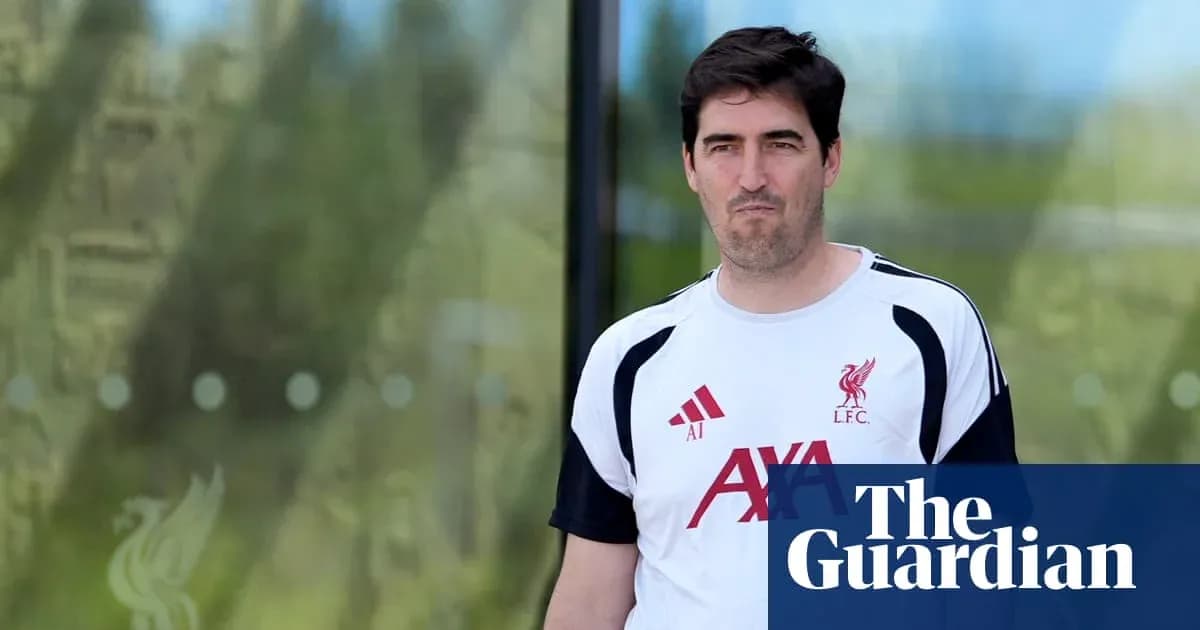
Jürgen Klopp did not walk into the DFB alone. He brought his shadow with him.
On Friday, at his official unveiling, Klopp confirmed that Marc Kosicke will become “my assistant coach for strategy, development and innovation” with the German national team. Not a title plucked from thin air, but a formal recognition of a partnership that has shaped his career for around two decades.
To clear the way, Kosicke has already stepped down as managing director of his company Projekt Five and ended his advisory work for other coaches. The man long regarded as Klopp’s right-hand strategist is now committing himself fully to the DFB project.
Klopp made it clear this is not a cosmetic appointment.
“It is not enough for only a head coach to come in,” he said. “We have to change a great many things. We want to turn over every stone.”
The message was unmistakable: this is a rebuild in the deepest sense, and Kosicke is central to it.
From “inventor” of the coach adviser to Klopp’s DFB architect
Inside German football, Kosicke is seen as the “inventor” of the modern coach adviser, a role he helped define long before it became fashionable. Until 2021, he worked closely with Julian Nagelsmann, guiding one of the game’s most sought-after tacticians through the demands of elite management.
Yet his influence stretches far beyond individual careers. The Bremen-born, self-confessed Werder fan once helped shape the identity of Bayern Munich itself.
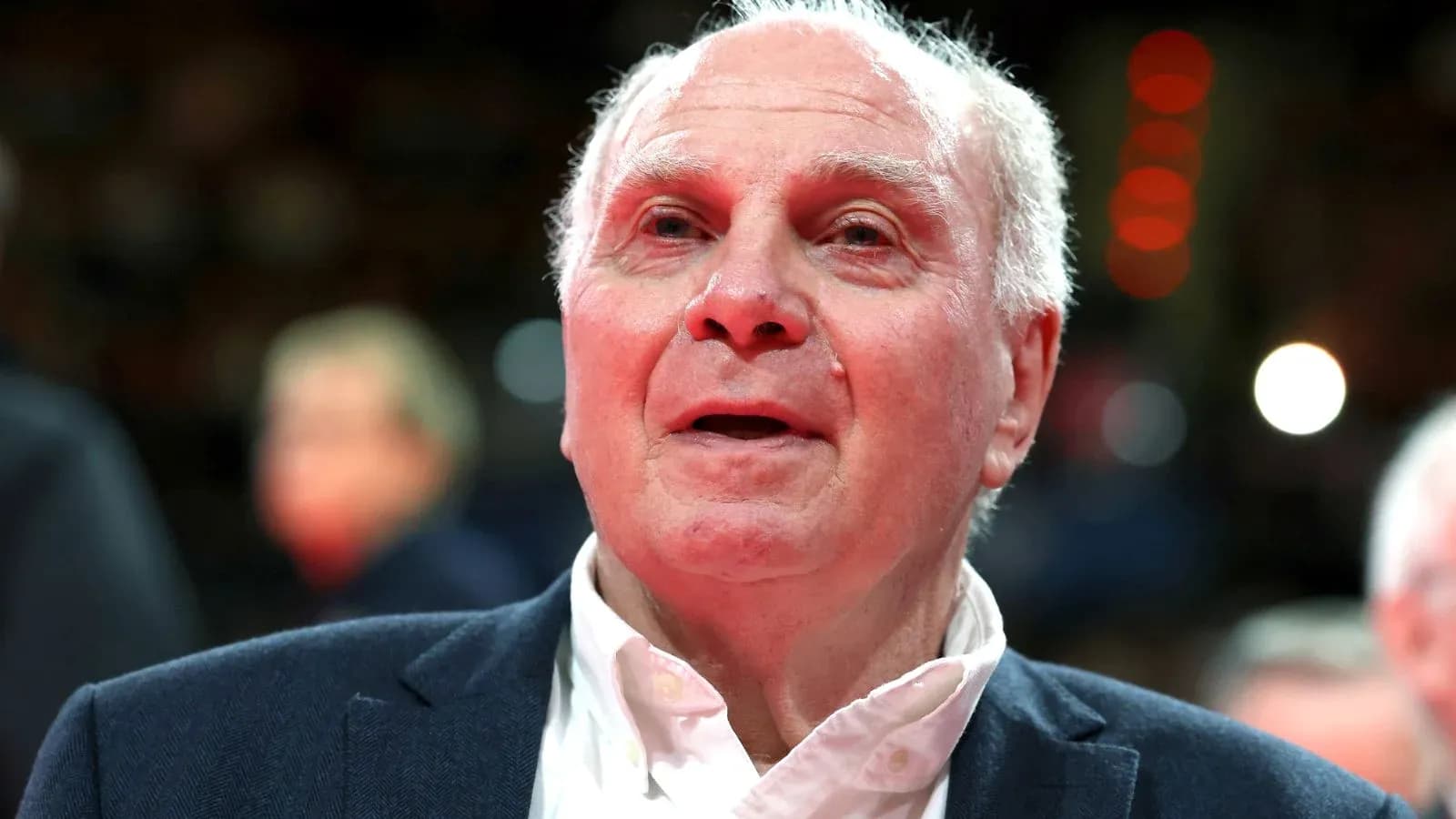
In 2008, on a flight to a FIFA event in Switzerland with his then business partner Oliver Bierhoff, Kosicke happened to find himself on the same plane as Uli Hoeneß. The Bayern figurehead was frustrated, complaining about his own players and about something more fundamental: that nobody really knew what Bayern Munich actually stood for.
Kosicke pressed him. What did Hoeneß believe Bayern stood for? The answer did not come.
That was the opening. Drawing on his long experience with Nike and Adidas, Kosicke explained the concept of “company bibles” – internal manuals that spell out a brand’s core values and messages to every employee. Hoeneß’s response was immediate: could Kosicke create something like that for Bayern?
“With 100 per cent cluelessness but a lot of self-confidence,” as he later put it, he agreed. Hoeneß added one condition: he wanted to deal with Kosicke directly, not with “some Roland Berger tie-wearing troupe”.
So Kosicke built a deliberately mixed working group. Staff from the fan shop and marketing, the kit man, the youth coordinator, media chief Stefan Mennerich, chief scout Wolfgang Dremmler – voices from every corner of the club. For four weeks they worked together on defining Bayern’s values.
The slogan, though, was already in his head.
The birth of “Mia san mia” as a modern brand
The group produced what Kosicke later described as 16 commandments. Clear, internal rules of identity. “We are a family and stand by one another.” “We do not communicate about one another in public.” Sentences that sound simple, but set a standard for behaviour from the boardroom to the dressing room.
For the final presentation to the Bayern board, Kosicke went for theatre. He had a few prototype copies of the new club bible bound in real lederhosen leather. When he unveiled the title, the room reacted instantly.
Hoeneß liked the slogan – with one sharp correction. On the front it did not read “Mia san mia”, but “Mir san mir”. The Bremen native had tripped over Bavarian dialect. “Great slogan, but this MIR is a space station,” Hoeneß quipped. The wording was swiftly fixed. The identity stayed.
Kosicke had always intended “Mia san mia” to be the anchor. He simply waited to introduce it at the right moment, then built the value system around it with the group. When his work was done, he went one step further: when he sent his invoice, he assigned his rights to the slogan to Bayern and gave them a promise.
As someone from Bremen and adviser to Jürgen Klopp, he would not present himself as the great inventor of “Mia san mia”.
Alongside the bible, he developed a roadmap for embedding those values inside the club. Every new arrival – from an office employee to a youth player from Fürstenfeldbruck or a star signing like Sadio Mané – was to receive that bible as part of their onboarding. The message was simple and non-negotiable: this is who we are, these are the values we live by.
Now, the same mind that helped a rival giant sharpen its identity will sit at the heart of Germany’s national team setup, tasked with strategy, development and innovation under Klopp.
For the DFB, the question is no longer whether change is coming. It is how far Klopp and Kosicke are prepared to go when they start turning over those stones.