.svg&w=384&q=75 "Pitchgist logo")
Cristiano Ronaldo's Last World Cup Journey
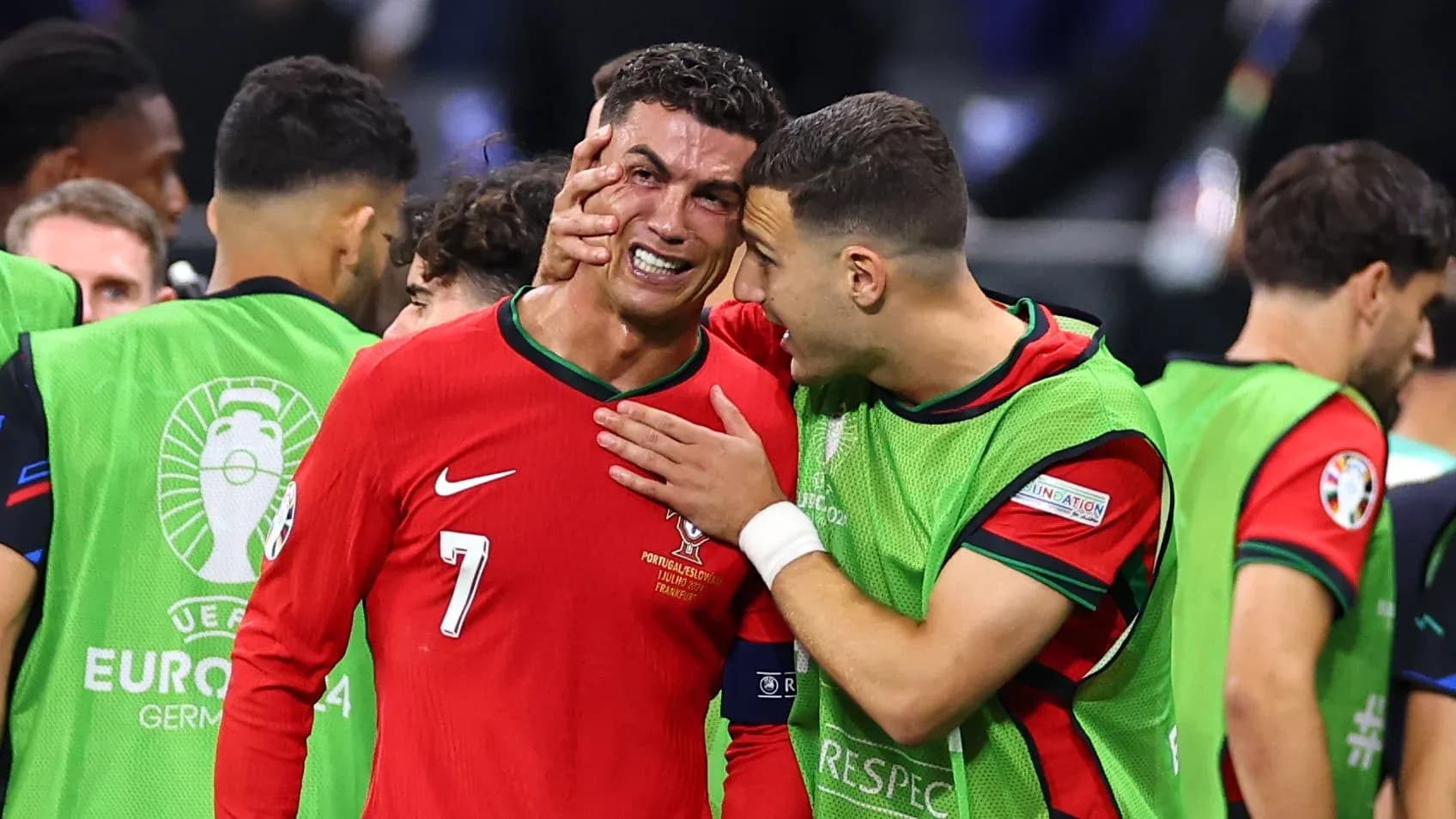
Cristiano Ronaldo is heading for his sixth World Cup, 41 years old and still carrying a nation on his shoulders. For Portugal, the countdown to 2026 already feels like the countdown to goodbye.
Inside the Portuguese Football Federation, few have watched that journey as closely as former national team director Godinho. He spent half a century in the FPF. He saw Ronaldo walk through the door as a skinny teenager in 2003. Now he’s watching the final act approach and hoping it ends with the one prize still missing from the most decorated CV in modern football.
“Let’s hope he’s in a position to retire… with a title of this magnitude,” Godinho told Lusa. The words hang heavy. The body isn’t eternal. The window is closing.
A brutal last mountain
If this is to be Ronaldo’s last World Cup, the stage could hardly be more unforgiving. The 2026 tournament stretches across the United States, Canada, and Mexico, a logistical maze that many inside European football already regard as one of the toughest editions ever staged.
Godinho doesn’t hide his concern. The modern elite player arrives at major tournaments drained by endless club seasons, deep runs in the Champions League, and relentless travel. Now they must cross the Atlantic, adjust to time zones, heat, and vast distances between venues.
“The World Cup will be difficult… because of the fatigue they will bring,” he warned. Continental change, he argued, is a built‑in disadvantage for European sides, Portugal included. The strongest squads are stacked with players from major club competitions. They will land in North America already stretched, then face long journeys, schedule changes, and unfamiliar climates.
“It’s much more difficult to play in the United States than in Germany,” he said, a stark reminder that this won’t resemble the comfort of a Euro held a short flight from Lisbon.
For Portugal, meticulous preparation won’t be a luxury. It will be a condition of survival.
From Figo’s shadow to the centre of everything
Godinho’s perspective carries weight because he was there from the beginning. He remembers the first time Ronaldo pulled on the Portugal shirt, an 18‑year‑old thrown into a senior side filled with giants of the golden generation.
“It wasn’t difficult to work with Cristiano,” he recalled. Ronaldo’s debut came against Kazakhstan, but the real test was the dressing room. Luis Figo. Rui Costa. Fernando Couto. Icons, not just teammates.
That environment, Godinho believes, forged the “winning mentality” that has defined Ronaldo’s two decades at the top. The young winger arrived with raw talent and a restless ambition, but he needed guidance, and at times, blunt truths.
He was, Godinho said, always “extraordinary” in how quickly he absorbed advice, even when it came wrapped in “tough talk” from senior figures. The message was simple: understand where you are, understand what this shirt means.
From that crucible came the leader now preparing for one last swing at football’s biggest prize.
Navigating Group K and the long road ahead
Before any talk of lifting trophies in New York or Los Angeles, Portugal must first handle the grind of the group stage. Their campaign begins in Group K, with the opener against the Democratic Republic of Congo on June 17 in Houston.
The first match of a World Cup can set a tone or spark a crisis. Godinho recognises its weight but refuses to let it become a prophecy. Portugal’s Euro 2016 triumph started with three straight draws in the group. The slow start did not kill the dream then, and he knows it doesn’t have to now.
“The first game is always very important,” he said. “Everything depends on the state of mind, fatigue, and mentality.” After DR Congo, Portugal will meet Uzbekistan and Colombia, a schedule that offers no room for complacency but enough space for a heavyweight to assert itself.
Godinho believes in the squad’s quality and in the organisational strength around it. He is convinced Portugal “can get there”, but he stops short of any bold declarations. To say they will win it all, he insists, is still “premature”.
The target, though, is clear. The focus is 2026. The dream is sharper still: Ronaldo, at 41, standing under North American skies, finally lifting the World Cup before his body says enough.
For a player who has rewritten almost every record, there is only one question left for this last chapter: can he bend one more tournament to his will?