.svg&w=384&q=75 "Pitchgist logo")
Casemiro's Exit Forces Manchester United to Rethink Midfield with Valverde as Top Target
Casemiro walked into English football as a serial winner and leaves it much the same way: heavy with medals, heavier still with responsibility carried. Now, at 34 and out of contract, the Brazilian’s four-year stay comes to an end, and Manchester United’s midfield loses its anchor.
The hole is obvious. So is the urgency.
Michael Carrick and his staff know they cannot afford a power drop in the middle of the pitch, not with Champions League nights returning and expectations rising again at Old Trafford. The engine room that once leaned on Casemiro’s presence now needs a new heartbeat, a new enforcer, a new organiser.
Names are already circling. Big ones. Expensive ones.
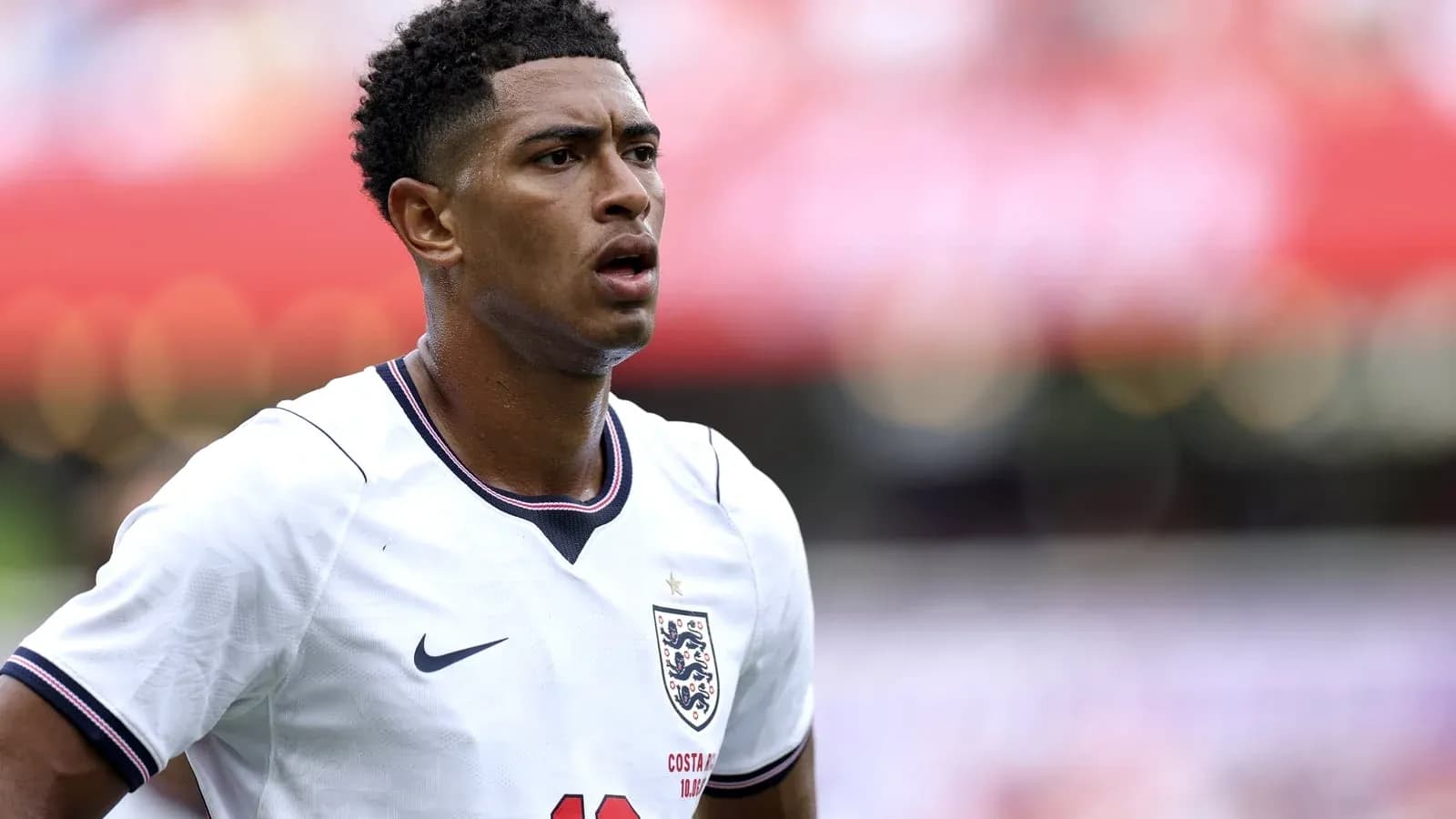
World Cup-bound England midfielder Anderson is being linked with a nine-figure fee, the kind of number that usually sets alarm bells ringing as much as it excites. United, though, are trying to play this window with a sharper edge: spend where necessary, but spend smart. Help the team now, protect the future later.
That’s where the shortlist starts to take shape.
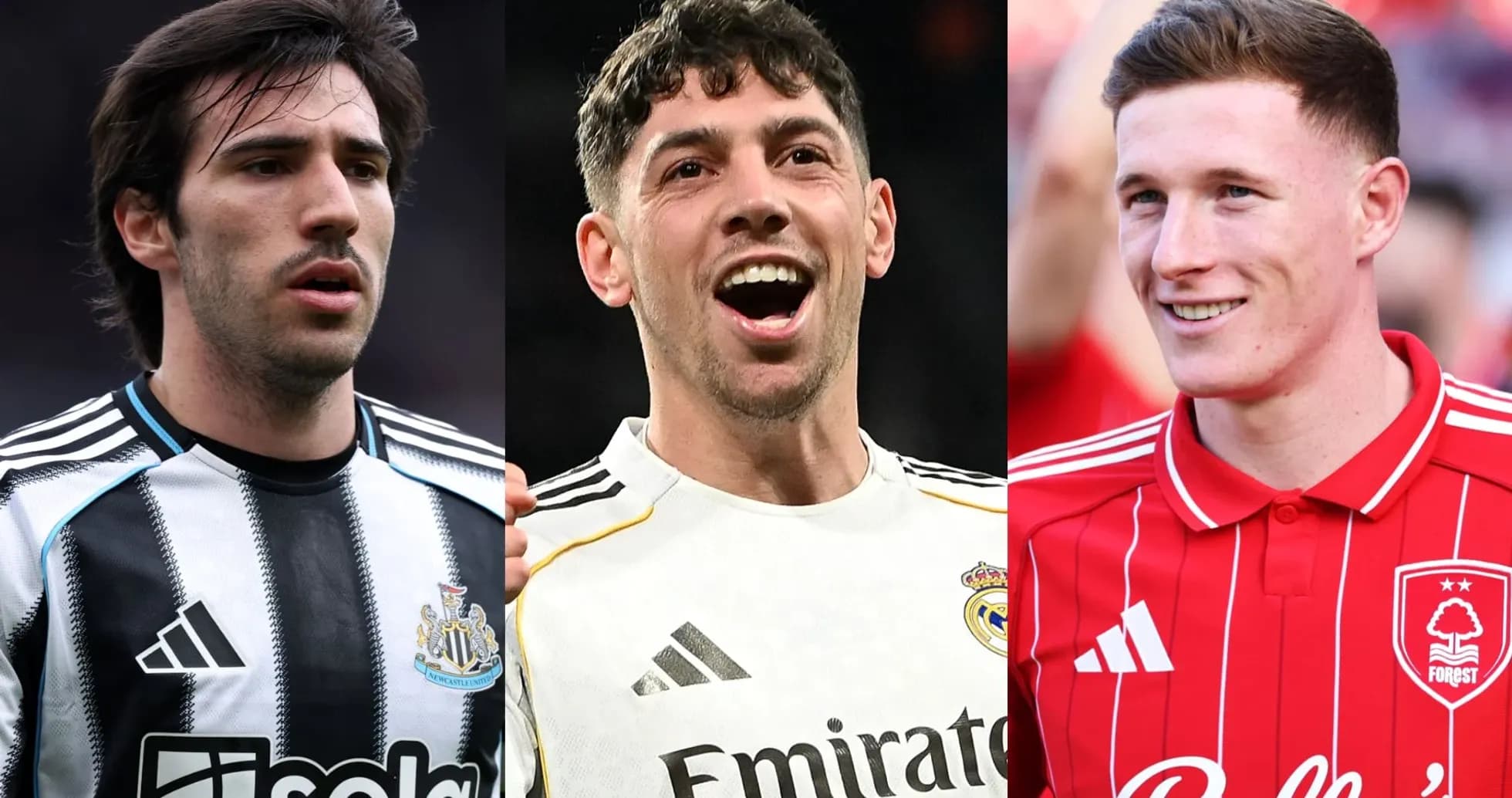
- Adam Wharton
- Carlos Baleba
Both young, both already hardened by Premier League football, both viewed as players who can grow with the club rather than simply pass through it. They tick boxes: intensity, athleticism, resale value. Yet they are not the only ones under the microscope.
Real Madrid’s Federico Valverde sits at the top of at least one former United midfielder’s wish list.
Valverde at the top of the list
Asked who he would go for if handed control of United’s transfer budget, ex-Red Devil Eric Djemba-Djemba did not hesitate. Speaking to GOAL in association with World Cup Betting, he went straight for the Bernabéu.
“Manchester United is a big team and they want to win trophies, they want to come up again, to stay there. For me the first choice, Valverde and the second one, Baleba,” he said.
The logic is clear enough. United have finished third, they are back in the Champions League, and now comes the hard part: staying there and competing properly. That demands players who can keep the ball under pressure, control the rhythm, and drag a game in their direction when it starts to drift.
“They finished third, they go to the Champions League, now they need some players who come with experience, who can keep the ball, who can bring the spirit of the game,” Djemba-Djemba added.
In his eyes, Valverde is exactly that.
“Valverde is the main man. Valverde, he's a box-to-box player, he can play winger too, he can play right-back too, because I saw him play right-back. Valverde is the main man. I think if they ask me to pick, I will pick him, I will pick him first and Baleba second choice.”
It is not hard to see why a manager like Carrick would be tempted by such a profile. Valverde covers ground relentlessly, breaks lines with and without the ball, and offers tactical flexibility that can reshape a system mid-game. For a squad still being remodelled, that kind of versatility is gold.
United’s European ambition, without their old shield
United’s return to the Champions League comes with a reminder of their own history in the competition. Fifteen years have passed since their last final. The club that once treated May showpieces as a habit now watches others dominate the stage they used to own.
Twice they have gone all the way without losing a game – the Treble winners of 1999 and the 2008 side that conquered Moscow. Yet even those iconic teams do not top the modern metrics. A recent ranking by Bally Bet of unbeaten Champions League winners places United’s 1999 heroes at the bottom of that elite pile, with a win ratio of 46.2 per cent. Bayern Munich’s 2020 juggernaut leads the way, perfect across every match, including that brutal 8-2 demolition of Lionel Messi’s Barcelona.
That is the standard now. Relentless, ruthless, error-free.
United want to live in that company again, not just visit it. To do so, they must rebuild the kind of midfield that once intimidated Europe. And they must do it without Casemiro.
The Brazilian arrived with five Champions League titles and the aura of a man who had spent a decade dictating the biggest nights for Real Madrid. Even in a changing, sometimes chaotic United side, he brought structure and edge. Losing that, on a free, sharpens the stakes of this summer’s recruitment.
Was Casemiro’s farewell too soon?
Djemba-Djemba, for one, would have delayed the goodbye.
Quizzed on whether he wanted to see Casemiro stay one more season at Old Trafford, he did not hide his disappointment at the timing.
"He's had a great season. I hoped he would stay for another year - he's a fantastic midfielder. He has many, many, many experiences.
“I would love him to stay one year more, but I don't have the decision. He has the decision, but I think it was too early for him to say what to do, that he will leave the club. It was early for him because after that, when Michael Carrick came, everything changed, didn't it?"
That is the twist. Casemiro’s decision came before the full impact of Carrick’s work became clear. Performances improved. Results followed. United climbed, and the mood around the club shifted from resignation to quiet belief.
“Everything was changing, he was playing well, the team was playing well, they came up again, now they will go to Champions League. I think it was early for him to announce that he will leave the club. I hoped he would stay again one year more, but sadly, it's football.”
Football moves on quickly. It has to.
United now step into another reset, another attempt to shape a midfield capable of carrying them through domestic battles and European nights alike. Whether that future is built around a superstar like Valverde, a rising force like Baleba, or a different solution entirely, one thing is clear:
The next man through the door is not just replacing a player. He is inheriting a responsibility that once belonged to Casemiro – to be the cog that keeps the whole machine turning when the pressure is at its fiercest.