.svg&w=384&q=75 "Pitchgist logo")
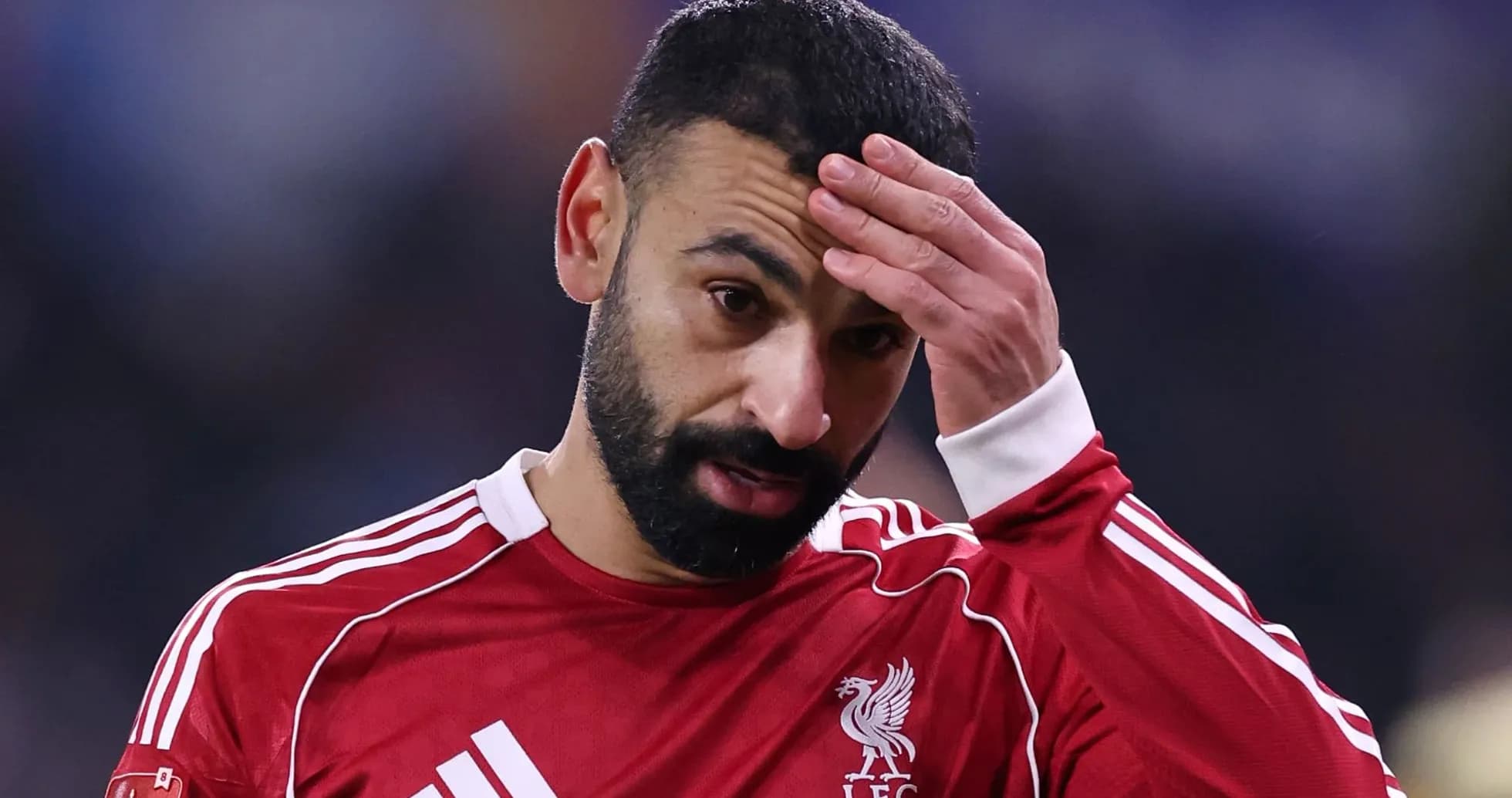
Besiktas' Pursuit of Mohamed Salah Stalls Amid Financial Hurdles
Besiktas’ bold chase for Mohamed Salah has stalled on the brink of the finish line, blocked not by a lack of ambition, but by the hard edge of financial reality.
For weeks, the Turkish giants had moved with quiet confidence. Salah, a free agent after his Liverpool contract expired on June 30, looked within reach. A package worth around €12.5 million per year sat on the table, a statement salary designed to bring one of the game’s elite forwards to Istanbul and turn him into the face of the project.
Then the numbers behind the numbers arrived.
Salah deal hits a wall
What began as a smooth courtship has turned into a deadlock over commercial rights and agent fees. Besiktas are refusing to bow to demands over shirt-sale revenue splits and commissions for Salah’s representative, and that is where the talks have broken.
Sporting director Onder Ozen laid out the situation bluntly. He confirmed that the club had made contact with Salah and even built a financial model to try to accommodate the move. Early on, the tone was positive. The path looked clear.
It did not stay that way.
Ozen explained that as the financial discussions deepened, the atmosphere shifted. From July 21, the process began to drag, with new requests coming in that, in his words, pushed both the information flow and the financial side “into a dead end.”
The issue is not just about how much Besiktas are willing to pay. It is about how they are willing to pay it. Ozen underlined that the club will not cross legal limits on commission payments or commit to structures that could threaten their long-term stability, even for a player of Salah’s stature.
“Working in the field of player management is legal, and there is a legal value for the commission, and exceeding it may involve an illegal situation,” he said, stressing that staying within those boundaries is part of what it means to belong to Besiktas. The club president, he revealed, has taken what he called an unpopular decision: to step back, at least for now, from the Salah negotiations.
So the deal is not dead, but it is frozen. Hanging by a thread, and that thread is wrapped around legal and financial red lines Besiktas insist they will not cross.
From free agent to €60m man
Besiktas, though, are not standing still. With the Salah talks on ice, they have turned to a very different kind of target: Rafael Leao.
According to reports in Italy, the club has opened formal communication with AC Milan about the Portuguese winger. On the pitch, the logic is clear. Leao, like Salah, operates from the flanks, but he brings a younger, more explosive profile and a different kind of chaos to any attack. For a coach like Vincenzo Italiano, that sort of dynamism changes the entire shape of a frontline.
The challenge is obvious. Salah is a free agent. Leao is not.
Milan’s stance is firm. They are not entertaining loan formulas or creative options. No temporary moves, no loans with an option to buy. Only a straight cash sale. The price being discussed sits in the €50–60 million range for the former Serie A Player of the Year.
For a Turkish club, that is a huge outlay before wages even enter the equation.
Leao’s price – on and off the pitch
And Leao’s wage expectations are clear. Reports indicate he will not even consider a move to the Turkish Super Lig unless his salary demands are fully met. He is said to be seeking at least €8 million per season, plus performance-related bonuses.
That level of commitment would stretch any Turkish side. Besiktas, though, appear prepared to explore it as they hunt for a new talisman to build around.
The competition is not limited to them. Galatasaray and Fenerbahce have also been linked with the 27-year-old in recent weeks, adding a domestic edge to what is already a complicated pursuit. Besiktas hope that their direct, formal approach to Milan gives them a crucial early advantage in the race.
From Salah the free agent to Leao the €60m asset, Besiktas are walking a tightrope between ambition and restraint. The question now is simple: in a market this inflated, how far can they really push without losing what they insist they must protect?