.svg&w=384&q=75 "Pitchgist logo")
Michael Carrick's Vision for Manchester United: A Return to Possession
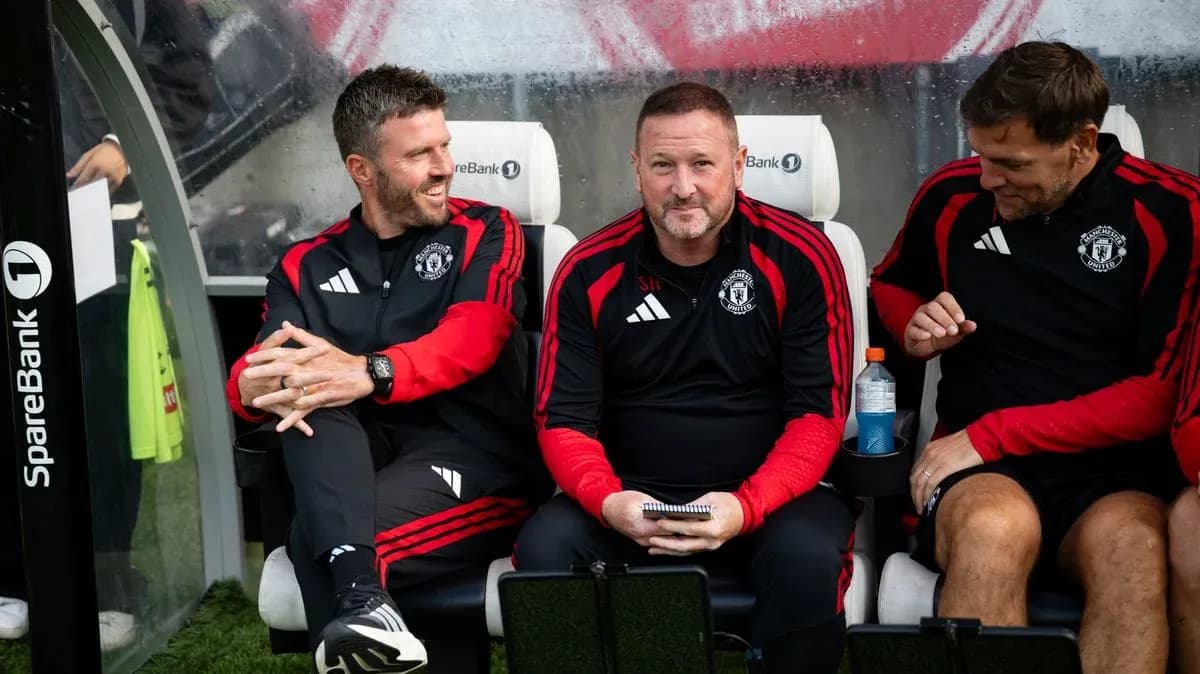
Michael Carrick is swimming against the tide. In a league obsessed with muscle, duels and dead-ball routines, the Manchester United manager is quietly building something that looks almost old-fashioned: a team that wants to rule games with the ball.
A League of Duels, Not Dictators
Look at where the Premier League has gone. Last season was a blur of collisions and contests. Matches often felt like 11 separate fights all over the pitch, man against man, with territory and set-pieces the real prizes. Win your battles, win your throws and corners, and you probably win the game.
Control? Rhythm? Those were often the first casualties.
Even Pep Guardiola’s Manchester City, the benchmark for midfield dominance for the best part of a decade, found it harder to suffocate opponents. The middle of the pitch became a war zone, not a workshop.
The numbers back it up. Two seasons ago, four teams averaged more than 60% possession and six topped 58%. Last season, only City scraped above 60% – 60.5%, to be exact – and just one other side, Chelsea, climbed beyond 58%. Fewer teams cared about keeping the ball. More cared about smashing through the man in front of them.
Intensity rose, space shrank, and the classic ball-playing midfielder – the one who wants it to feet, who stitches short passes together and slows the game to his own beat – found the Premier League a far less forgiving place.
Carrick’s Counter-Cultural Call
Into that landscape steps Carrick, with a very different idea of what Manchester United should be.
United have just lost Casemiro, a midfielder built for the scrap, who could live in that world of duels and second balls. He walked away on a free transfer this summer. The obvious reaction in this league would be to go like-for-like: more legs, more height, more bite.
Carrick has gone the other way.
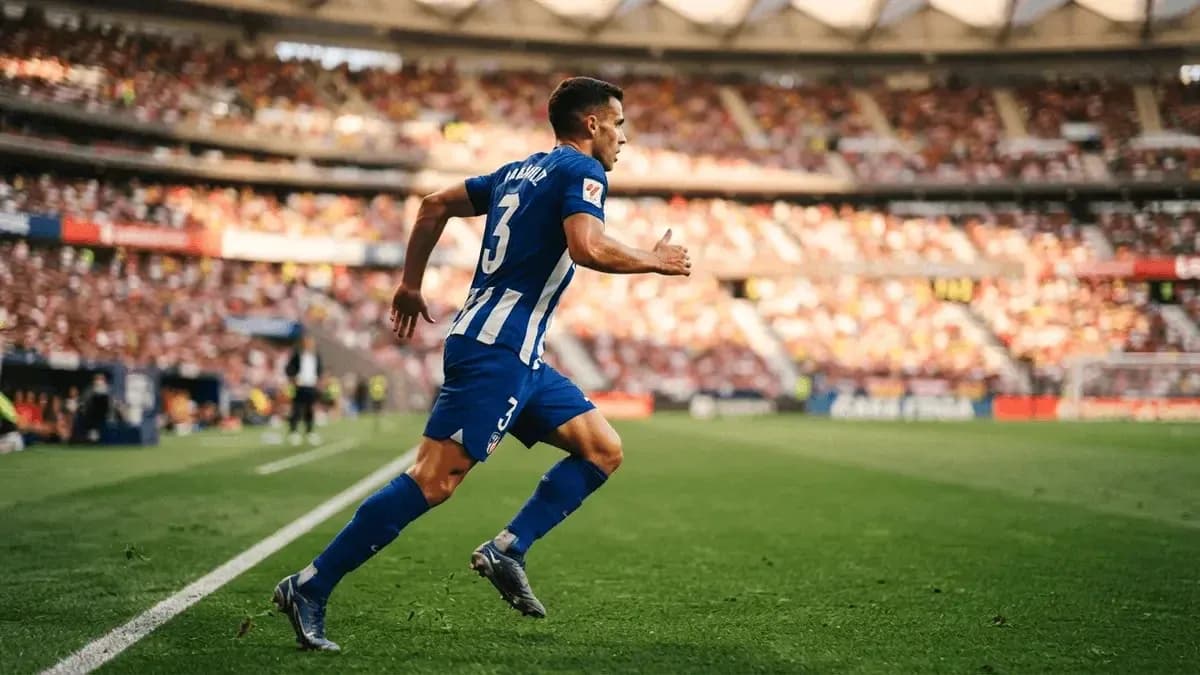
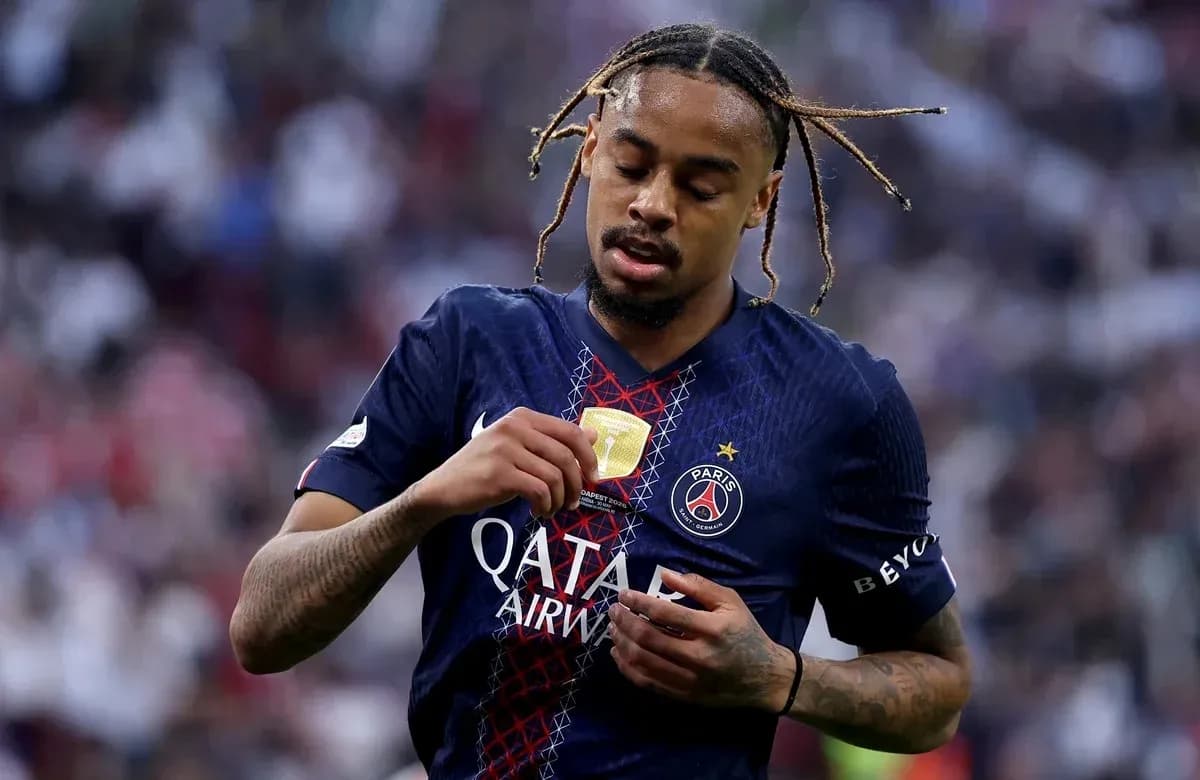
The rebuild of United’s midfield has been about technique, not sheer force. Andrey Santos has arrived. So has Youri Tielemans. Both know the Premier League, both understand its pace, its chaos. But they’ve been brought in primarily because of what they can do with the ball at their feet – their passing ranges, their composure, their ability to knit play together.
This isn’t an accident. This is the blueprint.
Recruitment at Old Trafford has clearly been shaped around Carrick’s desire to turn United into a side that can actually dictate games, not just survive them. He has even reimagined Mason Mount, shifting him deeper to operate as a playmaker from the back of midfield, another pair of eyes and feet to help set the tempo rather than chase it.
A Midfield in His Own Image
It fits the man in the dugout. As a player, Carrick never won games by out-running or out-fighting opponents. He beat them by out-thinking them. His United sides had the ball, and he made sure they used it. He sat deep, saw pictures early, and controlled games with passes, not tackles.
Now he is trying to build a team that does the same.
His spell at Middlesbrough in the Championship offered a preview. Carrick put the ball at the centre of everything. He wanted his side to build, to pass, to probe. He signed Aidan Morris to sharpen that passing quality in midfield, another nod to his belief that control starts with the man on the ball, not the one flying into a 50-50.
There was a criticism at the Riverside: all that control didn’t always translate into enough incision in the final third. Plenty of possession, not always enough punishment. That is the balance he must find at United, where patience on the ball is only ever tolerated if it leads to chances, goals, trophies.
Bucking the Premier League Trend
This is Carrick’s first real chance to bend the squad to his will: his first full transfer window, his first full pre-season to drill the details. And he is doing it at a time when possession is harder than ever to protect.
Teams press in waves. They mark man-to-man. They drag you into duels and dare you to play. The safer route is to join them, to load the midfield with athletes, turn every game into a running race and a wrestling match, and lean on set-pieces for your moments.
Carrick is resisting that temptation. United look set to lean into the ball, not away from it. To try to control games in a league that increasingly treats control as a luxury item.
If he pulls it off, he won’t just have reshaped Manchester United. He might just force the Premier League to start respecting the art of possession again.