.svg&w=384&q=75 "Pitchgist logo")
The World Cup is Over: What Comes Next for Football?
The World Cup is over. Now what?
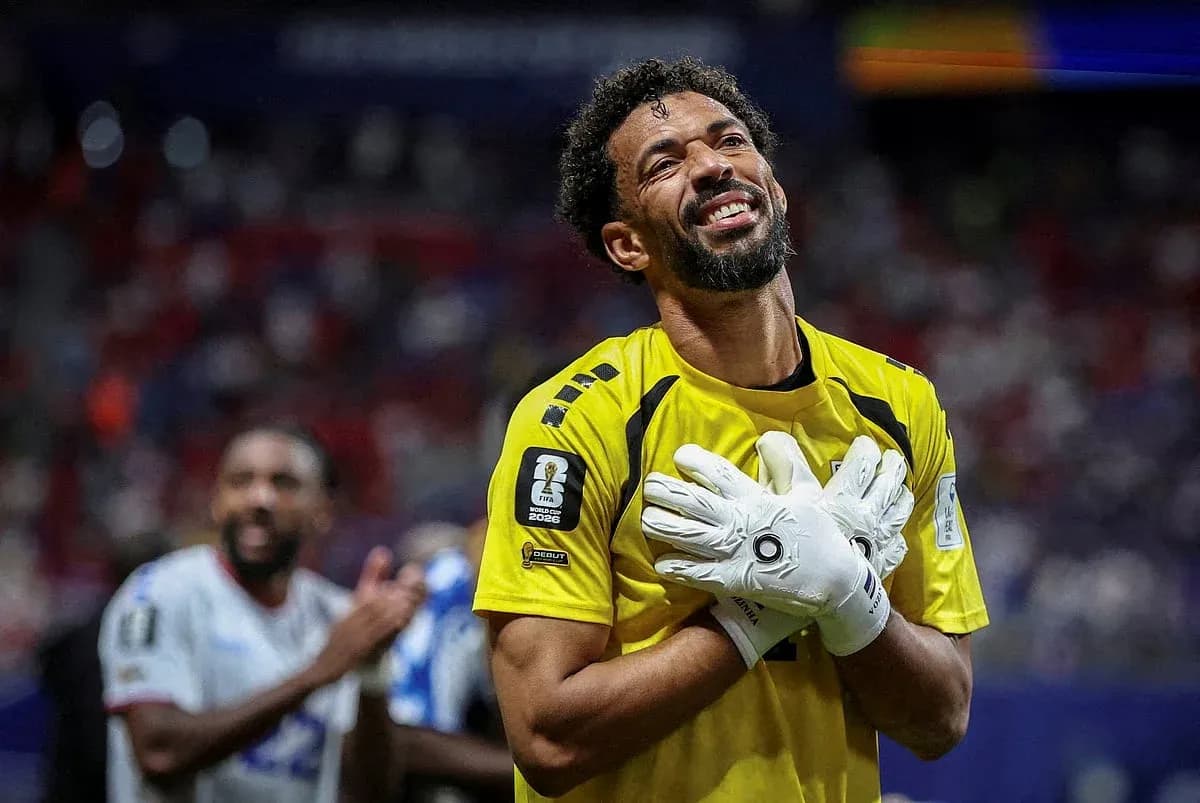
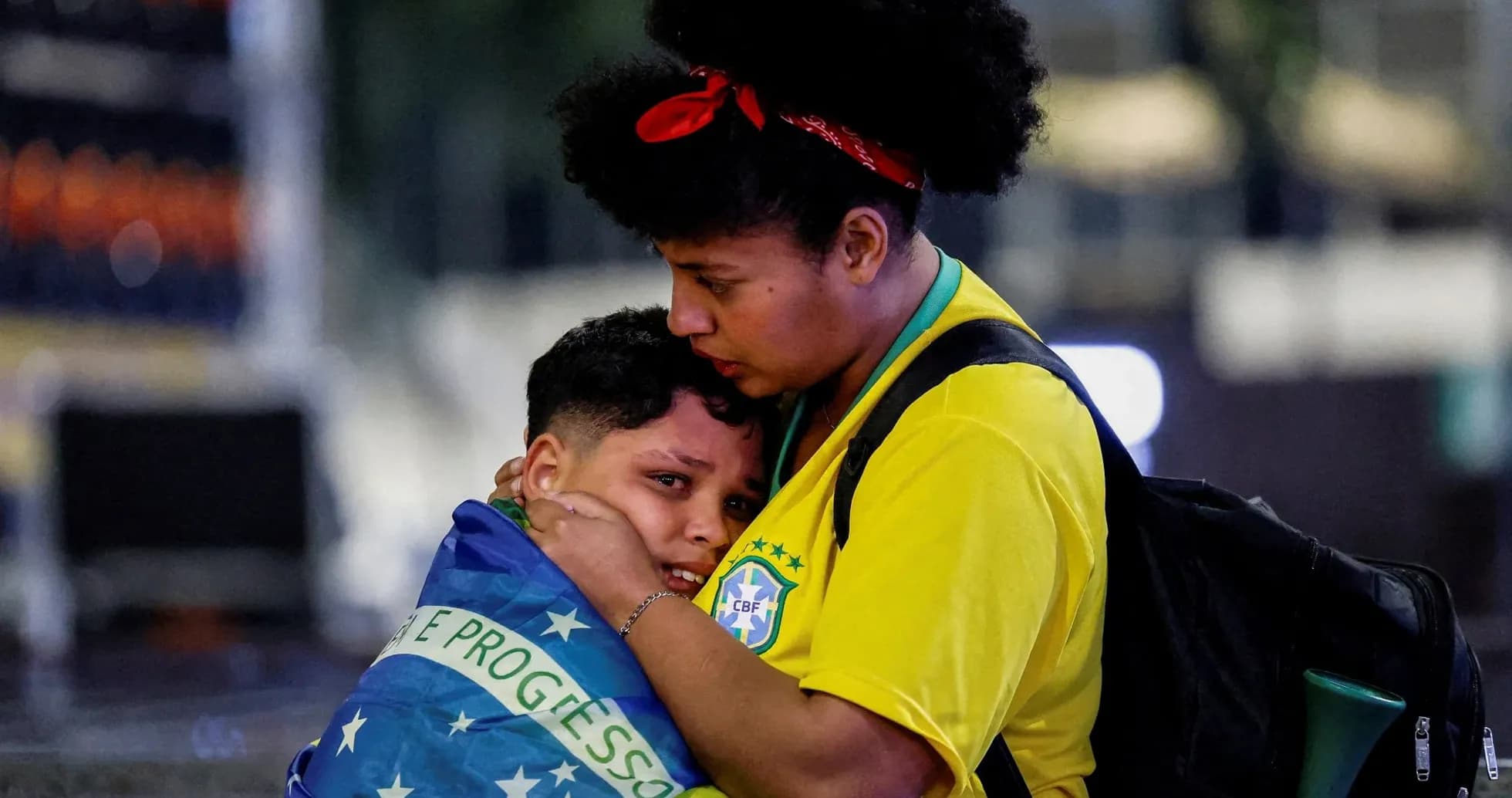
After six weeks of wall‑to‑wall football, the final whistle of the FIFA World Cup 2026 has left a familiar emptiness. Forty‑eight nations, 104 matches, 308 goals – the biggest edition in history has burned itself into the calendar and into memory. Now the game does what it always does: it turns the page.
Club football, continental showpieces and the next cycle of qualifiers are already lining up to claim the space the World Cup leaves behind. The ball barely stops rolling.
WAFCON steps into the spotlight
A week after the World Cup final, Africa takes centre stage.
The Women’s AFCON (WAFCON) 2026 kicks off with hosts Morocco facing Kenya in the curtain‑raiser. The Atlas Lionesses walk into their home tournament carrying the weight of a continent’s new expectations and the shadow of their men’s team, who stormed to a World Cup quarterfinal and a contentious AFCON 2025 title.
Nigeria arrive as defending champions, hunting another crown and guarding their long‑held status as the continent’s standard‑bearers. Ghana, Zambia and Malawi lurk in the chasing pack, all tagged among the favourites and all sensing an opportunity in a tournament that feels more open than ever.
For African fans, the switch from World Cup to WAFCON will be almost seamless. The stakes won’t be.
PSG, Aston Villa and a Super Cup with an edge
Before Europe’s leagues roar back to life, a single match in Salzburg will offer a sharp jolt of elite club football.
The UEFA Super Cup 2026 pits Champions League winners Paris Saint‑Germain against Europa League holders Aston Villa at Stadion Salzburg on Wednesday, August 12, with kick‑off at 9pm local time (19:00 GMT).
PSG arrive as defending Super Cup champions after lifting the trophy in 2025, determined to underline their grip on Europe’s curtain‑raiser. Aston Villa, under Unai Emery, chase another European title to add to a remarkable continental revival. It is not a friendly in all but name; it is a statement game, played on the eve of a new season and in full view of the continent.
Champions League: a new campaign, familiar tension
Soon after, the Champions League machine restarts.
Europe’s most coveted club competition begins in the second week of September and runs through to May 2027. Thirty‑six teams will contest the new‑look league phase, with 29 already assured of their place from last season and seven more to fight through qualifying.
On Thursday, August 27, in Nyon, Switzerland, clubs and supporters will learn their route. The draw will define autumn and winter across the continent, mapping out blockbuster nights, brutal away trips and the first hints of who might still be standing next May.
Premier League: champions Arsenal back on the block
The wait in England is short.
The Premier League returns less than a month after the World Cup, with champions Arsenal opening their title defence at the Emirates Stadium against newly promoted Coventry City on Friday, August 21, at 8pm (19:00 GMT). The champions at home, under the lights, with the trophy freshly engraved – it is the league’s traditional show of force.
The rest of the opening weekend offers its own intrigue:
- Hull City vs Manchester United – Saturday, August 22, at 12:30pm (11:30 GMT)
- Manchester City vs Bournemouth – Sunday, August 23, at 2pm (13:00 GMT)
- Newcastle United vs Liverpool – Sunday, August 23, at 4:30pm (15:30 GMT)
- Fulham vs Chelsea – Monday, August 24, at 8pm (19:00 GMT)
New managers, new signings, World Cup heroes returning to domestic duty – the league wastes no time in reclaiming its weekly grip.
La Liga: world champions come home
In Spain, the World Cup glow will be impossible to miss.
La Liga kicks off on August 15, when Alaves host Getafe at 17:30 GMT, but the real noise will gather around the heavyweights. World champions return to club colours, split across a title race that already looks like a collision course.
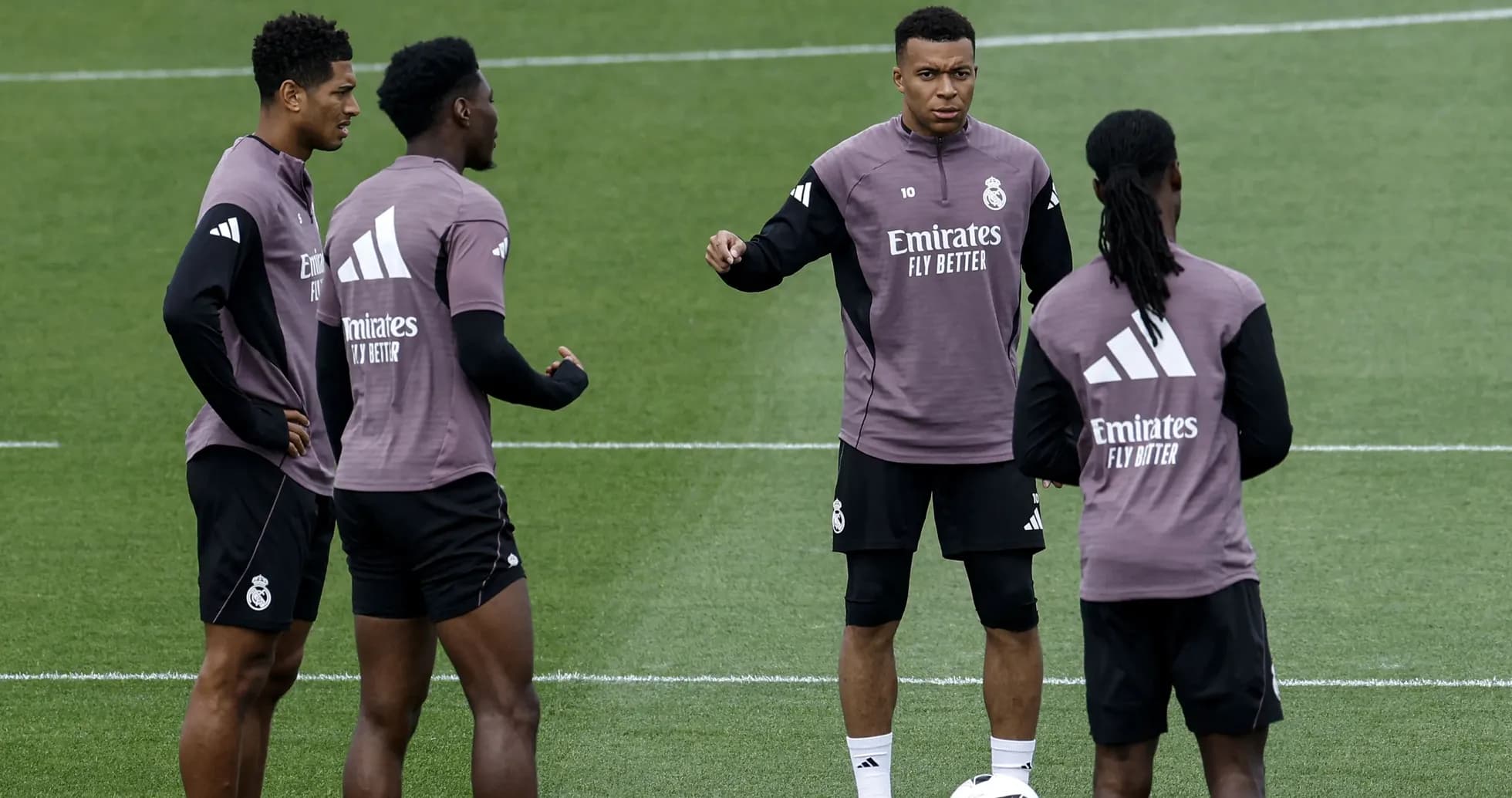
Barcelona, the reigning champions, lean on a core of Spanish world champions: Lamine Yamal, Pau Cubarsi, Gavi, Pedri and Ferran Torres, whose goal delivered the World Cup. Across the divide, Real Madrid welcome back their own global stars: Kylian Mbappe, Jude Bellingham and Thibaut Courtois, all driving a club obsessed with reclaiming La Liga.
Atletico Madrid host Malaga on August 19 at 18:00 GMT, but the calendar has already thrown up early wrinkles for the big two.
Barcelona and Real Madrid: staggered starts, same target
Barcelona’s title defence begins on the road. Their first La Liga match comes at Elche on August 23, after their original opener against Athletic Bilbao was pushed back to August 27.
Real Madrid’s schedule has also shifted. Their planned home opener against Real Sociedad has been moved to August 26, which means Jose Mourinho’s second spell in charge of Madrid will officially begin away to Espanyol on August 22.
Two giants, both adjusting early, both eyeing the same prize. The World Cup may have crowned Spain, but La Liga will decide who rules the country.
Serie A: domestic redemption after global pain
Italy watched the World Cup from home again. For a third straight tournament, the Azzurri failed to qualify. The hurt runs deep.
Serie A, though, offers a familiar refuge. The 2026‑27 campaign opens on August 22 and promises a fierce, inward‑looking fight for supremacy.
Opening weekend highlights:
Saturday, August 22
- Inter Milan vs Monza at 16:30 GMT
- Genoa vs Napoli at 18:45 GMT
Sunday, August 23
- Frosinone vs Juventus at 16:30 GMT
- Atalanta vs Sassuolo at 18:45 GMT
- Torino vs AC Milan at 18:45 GMT
Monday, August 24
- AS Roma vs Fiorentina at 18:45 GMT
For Italian fans, the league is no longer just a title race. It is a test of whether the domestic game can rebuild the national team’s edge.
A new route to the World Cup in Europe
When international football returns in Europe, the road to the next World Cup will look very different.
UEFA’s qualification process breaks from tradition, abandoning small, rigid groups for a two‑tier league system. The 36 highest‑ranked nations form League A, playing a Swiss‑system format reminiscent of the Champions League structure. The remaining 19 nations make up League B.
Each team will play six matches in the initial phase, with promotion, relegation and play‑offs deciding who reaches the World Cup. Familiar opponents will mix with fresh match‑ups, and every fixture will carry the weight of both ranking and qualification.
UEFA Nations League: Spain, England, Portugal back in the arena
Before the new World Cup qualifying format bites fully, the UEFA Nations League returns with real edge and real consequence. It doubles as a pathway to both the World Cup and Euro 2028.
Spain, now both European and world champions, will walk back into continental competition as the team everyone wants to beat. Cristiano Ronaldo’s Portugal open the next matchday against Wales on Thursday, September 24, at 18:45 GMT, a reminder that the veteran forward remains a central figure in his country’s plans.
Two days later, World Cup semifinalists England host Spain at 18:45 GMT on Saturday, September 26. Wembley under the lights, champions in town, a fan base still chasing a first major trophy since 1966 – it will feel far more like a knockout tie than a simple group fixture.
Africa’s next World Cup race
Africa’s World Cup 2026 campaign rewrote the script: 10 teams at the finals for the first time, nine of them reaching the knockouts. The continent now faces a different challenge – sustaining that level, and then raising it again.
Based on FIFA’s international calendar and past cycles, African qualifying for the 2030 World Cup is expected to start in September 2027 and run through to 2029. Morocco, as one of the 2030 cohosts, already have their ticket, leaving the rest of CAF to battle for the remaining spots.
Africa is projected to have nine direct places, with the possibility of a 10th via the inter‑confederation playoffs if FIFA maintains the current allocation. The race will be long, unforgiving and, after 2026, more scrutinised than ever.
Asia’s road to 2030
In Asia, the mood is more sober.
Only Australia escaped the group stage at the recent World Cup, and their run ended in the round of 32 against Egypt. For the Asian Football Confederation, the next cycle is about course correction.
AFC qualification for the 2030 World Cup is expected to begin in late 2027, with the first matches likely in October or November. The confederation has yet to publish a full schedule, but its planning documents point clearly to that window. From there, the process should stretch across nearly two years, testing depth, travel and consistency in a region that knows it must respond.
The World Cup has closed its doors, but the calendar offers no time for nostalgia. From WAFCON in Morocco to the Super Cup in Salzburg, from Arsenal’s title defence to Spain’s return as double champions, the sport has already moved on to its next questions.