.svg&w=384&q=75 "Pitchgist logo")
Spain Edge Past Disjointed Uruguay as Bielsa's Campaign Collapses
Uruguay arrived as pedigree contenders. They leave as the highest‑ranked side dumped out in the group stage, their World Cup reduced to a slow, public unravelling under Marcelo Bielsa.
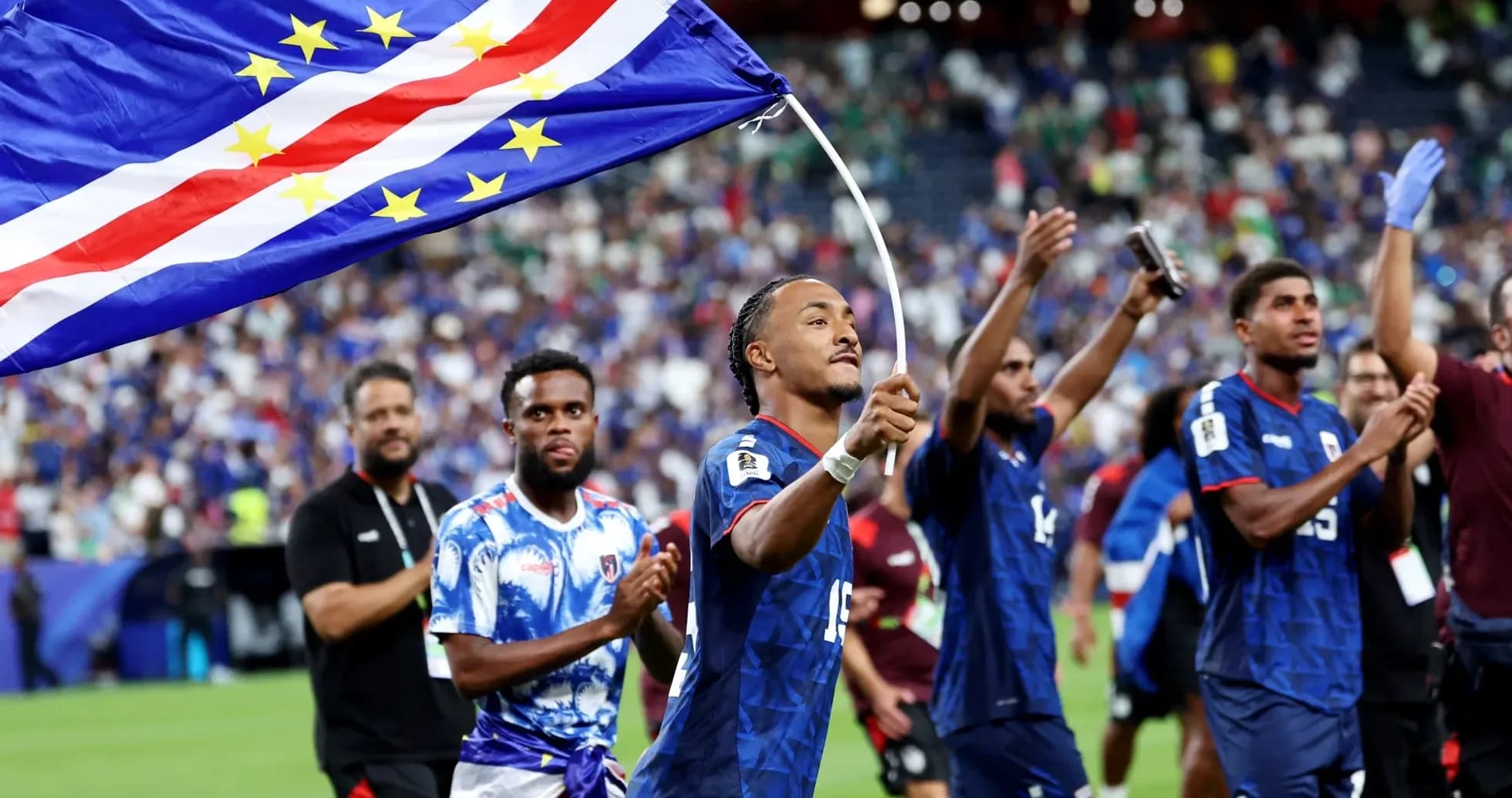
A 1-0 defeat to Spain in Guadalajara sealed a miserable tournament for the two-time champions, who never escaped the turbulence swirling around their camp. Draws with Cape Verde and Saudi Arabia had already left them on the brink; reports of a revolt in the dressing room, with senior figures such as Real Madrid midfielder Federico Valverde clashing with Bielsa over his tactics, did the rest.
This was supposed to be a heavyweight occasion. The only group-stage meeting between former world champions. Spain’s King Felipe watched on from the stands. What he saw was a flat, oddly joyless contest in which one side self-destructed and the other did just enough.
Spain win, but doubts linger
Luis de la Fuente restored Lamine Yamal to the starting XI after the teenager had lit up a 4-0 dismantling of Saudi Arabia. That performance had briefly washed away memories of Spain’s goalless, ponderous opener against Cape Verde. Here, though, the old hesitancy returned.
For most of the first half, La Roja shuffled the ball from side to side without piercing Uruguay’s lines. Possession looked sterile, not suffocating. The South Americans, despite the noise around them, held firm and waited.
Then the pressure finally told – with a helping hand from a veteran who once carried his country.
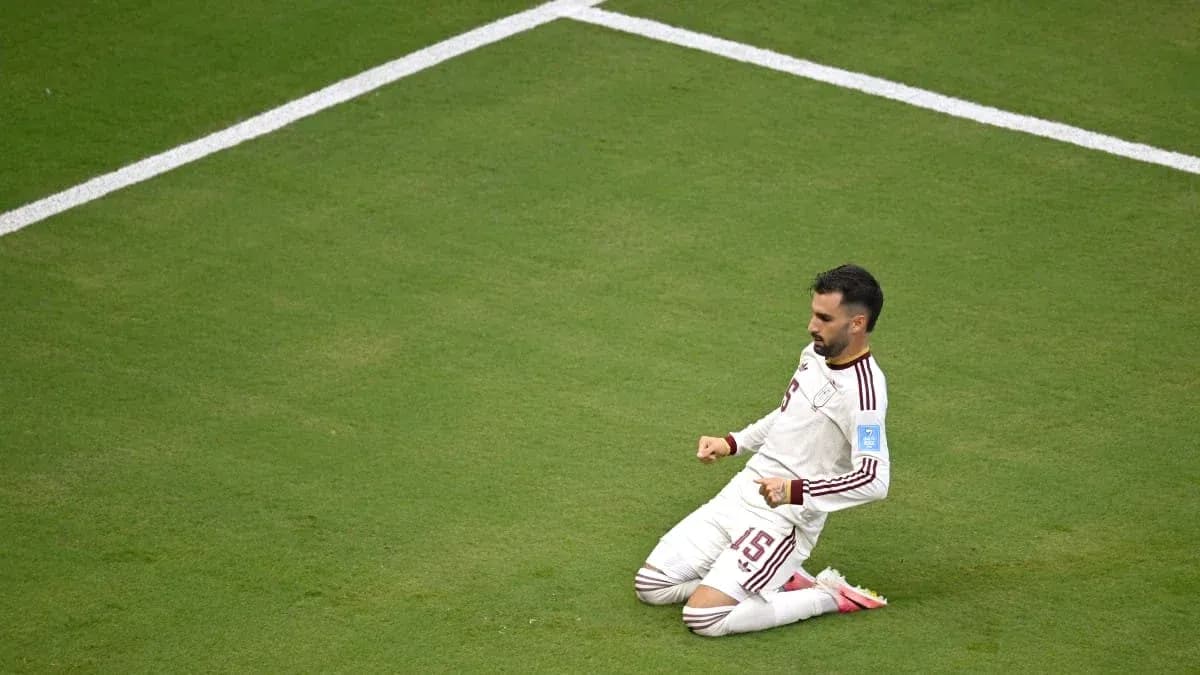
Fernando Muslera, a hero of Uruguay’s run to the 2010 semi-finals, had already endured a grim tournament, culpable for both Cape Verde goals in that chaotic 2-2 draw. In the 42nd minute in Guadalajara, his nightmare deepened. Marcos Llorente whipped in a low cross, Alex Baena met it with a tame effort, and the 40-year-old somehow allowed the ball to trickle over the line.
It was a soft goal, the kind that drains belief from a team already running on fumes.
To make matters worse for Uruguay, the move left Manuel Ugarte crumpled on the turf. The Manchester United midfielder suffered what looked like a serious knee injury in the build-up and had to be stretchered off, another brutal blow for a squad already fraying at the edges.
Bielsa’s bold calls fall flat
Bielsa reacted at half-time, hauling off Muslera for Sergio Rochet. The bigger statement came on the hour, when he substituted Valverde. Removing the team’s emotional and tactical reference point in a must-win game underlined just how fractured relations had become.
If it was meant to spark Uruguay, it didn’t. The changes only underlined how little fluency they had left. Attacks broke down, tempers frayed, and Spain began to play the game at their own, careful tempo.
De la Fuente turned to his bench as well. Dani Olmo and Fabian Ruiz stepped on and, suddenly, Spain’s passing had a sharper edge. Olmo should have killed the contest when Yamal, in one of his few moments of genuine brilliance on the night, carved open space and laid the chance on a plate. The RB Leipzig man scooped over, wasting the best move Spain produced.
Yamal’s minutes remain carefully managed after the hamstring injury that cut short his club season, and he departed with 15 minutes to play. His replacement, Ferran Torres, almost brought the scoreline closer to Spain’s territorial dominance, but smashed his effort against the bar with only the goalkeeper to beat.
Spain never found a second goal. They didn’t need it. Uruguay never looked like they had one in them.
Red card and rancour for broken Uruguay
Uruguay’s exit deserved a final, chaotic flourish, and it arrived in stoppage time. Agustin Canobbio flew into a reckless lunge on Pau Cubarsi and saw a straight red. It was a challenge born of frustration, the kind of wild tackle that often appears when a campaign has long since slipped away.
By then, the story of their tournament was already written: a talented squad, a high-profile coach, and a campaign suffocated by internal conflict and individual errors. From Muslera’s costly mistakes to the visible rift with key players, Uruguay never looked remotely like the side their ranking suggested.
Spain unbeaten, yet unconvincing
On paper, Spain’s position is imposing. They are now 34 competitive games unbeaten and have yet to concede a goal at this World Cup. The numbers scream control and consistency.
The performances whisper something else.
While France, Argentina and the Netherlands have produced spells of devastating attacking football, La Roja continue to feel restrained, almost cautious. The structure is solid, the defence immaculate, but the cutting edge that once defined Spanish tournament football remains elusive.
De la Fuente reaches the knockout rounds with a team that wins, keeps clean sheets and rarely looks flustered. The question now is whether that will be enough when the opposition sharpens and the margins shrink – or whether this careful, measured Spain will need to find a more ruthless streak to turn resilience into a second World Cup crown.