.svg&w=384&q=75 "Pitchgist logo")
Álvaro Fidalgo's World Cup Goal: A Tribute to His Grandfather
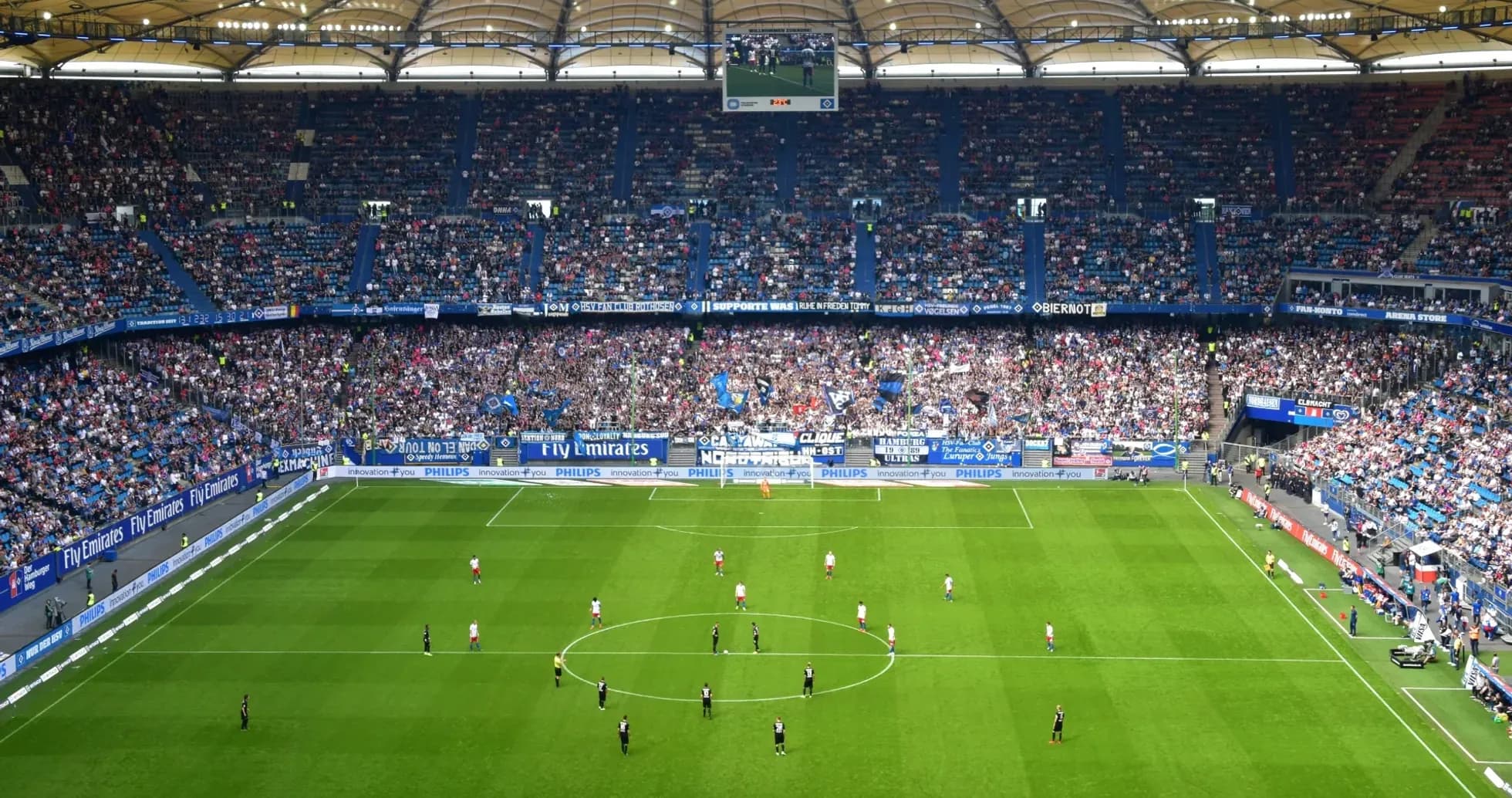
MEXICO CITY — Álvaro Fidalgo didn’t sprint to the corner flag or rip off his shirt. He stopped, lifted his head to the night sky, and with his voice breaking, sent his World Cup to the heavens.
“Te amo mucho, abuelito. Te amo mucho.”
Behind him, the Estadio Azteca roared for Mexico’s third goal in a 3-0 win over Czechia. In front of him, the screen flashed his name. Inside him, it was all about another one.
The move that sealed Mexico’s perfect group stage began on the right. Santiago Giménez drove into the box, cutting in with that familiar, bullish stride. His shot forced Matej Kovář into a sharp save, the Czech goalkeeper spilling the ball back into danger. Roberto “El Piojo” Alvarado reacted first, pouncing on the rebound and, instead of snatching at glory himself, sliding it calmly back to the edge of the box.
There waited Fidalgo.
He didn’t take a touch. He didn’t need to. One clean, rising volley, struck with the conviction of a lifetime of repetitions, ripped past Kovář’s outstretched arms and into the top-left corner.
In that instant, Mexico had its statement win. Fidalgo had his first World Cup goal. And a promise made years ago, on training pitches far from this stage, suddenly felt fulfilled.
“I lost my grandpa two months ago,” he said later, speaking in Spanish. “The whole world knows what my family means to me. What my grandparents are to me. I remembered him in a situation like this one, with a goal in the World Cup for the whole country. I’m happy for the victory, for helping the team. It was a dream night for everybody.”
A Goal Years in the Making
Long before he wore Mexico’s colors on the biggest stage, Fidalgo was just a boy in Noreña, in Asturias, Spain, with a ball that rarely left his feet and a grandfather who refused to let a day go to waste.
Rafael Fidalgo Ciprés had seen enough football to recognize something in his grandson. A former player in Spain’s second division with UP Langreo, Real Oviedo and Caudal Deportivo, he understood the grind beneath the glamour. He saw the kid who would shoot a ball 100, 200 times, who never seemed satisfied with the last strike.
He used to joke that Álvaro could dribble past a defender twice and score from the moment he was born. The joke turned into a mission.
“I am how I am, 90% because of my grandfather, in terms of football,” Fidalgo said in his Claro Sports documentary. “It was all football, football, football. Anything other than football didn’t exist. Nothing else. He told me since I was little: take care of yourself, nutrition, rest. He instilled that in me since I was eight, seven or six years old.”
Their routine became a way of life. Days at Condal Club, where Rafael would watch, correct, demand. When the sessions there ended, they would head down to the riverbank for more work, more touches, more shots. On off days, there were no real off days — just the front yard and a wall that absorbed thousands of passes, returns, and first touches.
“I was always on top of him,” Rafael once said. “And he responded.”
On this night in Mexico City, with the clock deep into stoppage time and the World Cup watching, Fidalgo responded again — exactly in the way Rafael had taught him. Technique over panic. Precision over power. Calm in chaos.
History for El Tri, Healing for a Family
The ball hit the net and the Azteca erupted, but this goal carried a weight beyond the scoreboard. For a family still grieving, it was a tribute wrapped in green, white and red. For a nation, it was the exclamation point on a group stage that will sit proudly in the history books.
The 3-0 victory over Czechia didn’t just secure top spot. It completed a flawless 3-0-0 group campaign — the first time Mexico has ever done so in 18 World Cup appearances. No stumbles, no late drama, no arithmetic. Just nine points, nine loud statements.
The final whistle turned the stadium into a festival, but inside the Mexico camp, there was no sense that the job is done.
“We got nine points; we’re all really happy but now comes the important part. Now comes the round of 32. We have to keep going at this level, we have to keep it up as a team and from game-to-game,” Fidalgo said. “We’re going together, carrying everyone’s dreams with us.”
That’s the standard now. A perfect group stage is no longer a destination, just a platform. The bar has moved.
For Fidalgo, the journey from Noreña’s riverbanks to a World Cup night in Mexico City has always been about more than personal glory. It’s about the man who insisted on one more drill, one more shot, one more reminder to rest, to eat right, to live like a professional long before any contract arrived.
On this night, with a nation celebrating and the tournament opening up in front of Mexico, Rafael Fidalgo Ciprés wasn’t in the stands.
But his work was all over that volley.