.svg&w=384&q=75 "Pitchgist logo")
Cape Verde's Historic World Cup Journey
Cape Verde’s dream lives on. Just.
On a humid night in Houston, a nation of half a million people stood toe to toe with Saudi Arabia, clung to their nerve, and edged to the brink of a World Cup knockout place that once felt like fantasy.
A tiny island, a giant stage
Cape Verde arrived at this tournament as the romantic outsiders, the story everyone enjoyed but few expected to last. Then they met Spain. Then Uruguay. Then the script tore itself up.
Bubista, the coach who has quietly turned them into a disciplined, fearless unit, made sweeping changes for this decisive group game, rotating half his starting XI. Some switches were forced, others tactical. One position, though, was never in doubt.
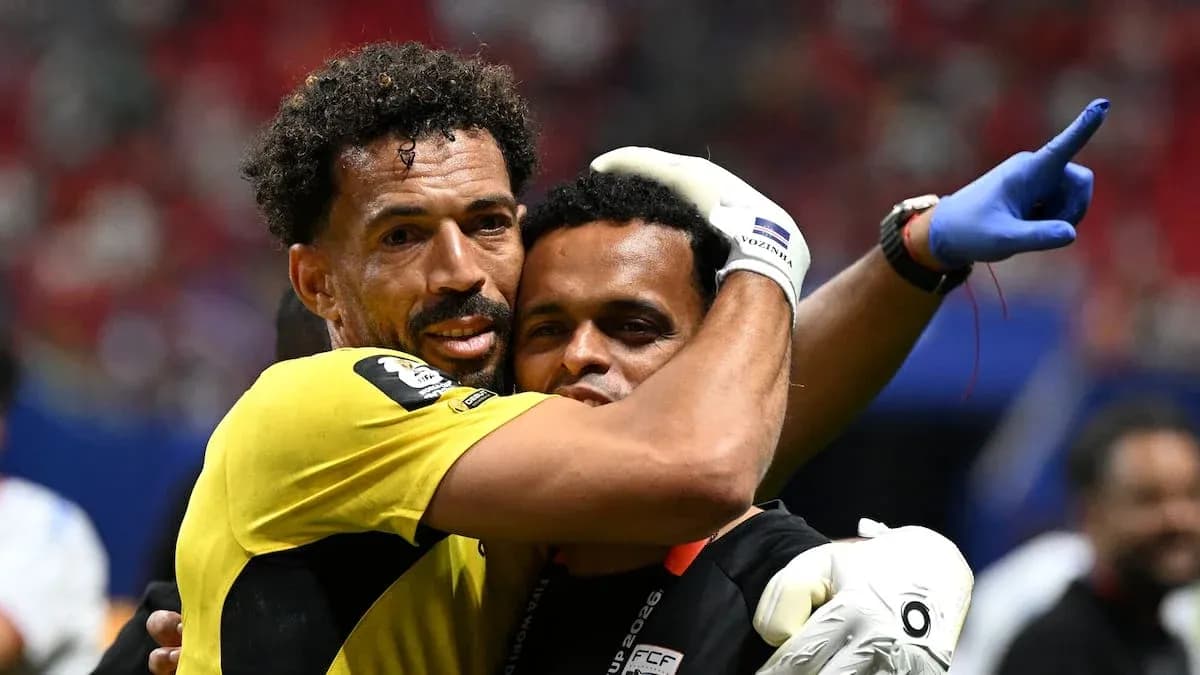
Vozinha stayed.
The 40-year-old goalkeeper, the hero who had defied Spain almost on his own in their World Cup debut, again carried the weight of a country on his shoulders. His performance against the European champions had already passed into Cape Verdean folklore; this was his chance to make sure it meant something more than a glorious one-off.
Their 2-2 draw with Uruguay, two-time world champions, had turned a charming story into a serious campaign. Suddenly, Cape Verde walked into Houston with a “scarcely believable” shot at the last 16. Saudi Arabia, bruised but not broken after a 4-0 hammering by Spain and a 1-1 draw with Uruguay, still had a pulse of their own.
Two games, two continents, one knife-edge group. In Guadalajara, Spain and Uruguay wrestled for supremacy. In Texas, Cape Verde and Saudi Arabia fought for survival.
Nerves, noise and a stretcher
Cape Verde settled faster. They moved the ball with a touch more purpose, pressed a little higher, and carried just enough threat to keep Saudi Arabia uncomfortable.
The first half never exploded, but it simmered. Willy Semedo cut inside and drove a shot not too far wide of the Saudi post, a reminder that Cape Verde were not in Houston to cling on and hope.
Then came a setback for Saudi Arabia. On 33 minutes, experienced defender Hassan al-Tambakti went down and stayed down. The stretcher followed. So did a visible sag in Saudi composure. Losing a leader at the back in a game this tight hurt them badly.
As that unfolded, events in Mexico began to tilt the balance. Spain struck first against Uruguay in Guadalajara, and the news rippled across the stands in Houston. Cape Verde fans erupted, blue flags waving, phones in the air. At that moment, the table tilted in their favour. With Spain ahead, Cape Verde were going through at Uruguay’s expense.
The match in Houston, though, remained stuck in a tense stalemate. Half-time arrived with both sides still goalless, both still alive, and Cape Verde — improbably — in control of their own destiny.
Cape Verde push, Saudi stall
The second half opened with a chance that could have settled everything. Three minutes after the restart, Jamiro Monteiro found himself close in, the ball sitting up invitingly. The stadium braced. His finish lacked conviction, a tame effort that let Saudi Arabia off the hook.
The miss did not drain Cape Verde’s belief. Kevin Pina soon stepped up from distance and unleashed a strike that whistled just wide, close enough to draw gasps from the stands and a frozen stare from Mohammed al-Owais.
As the minutes ticked away, the tension tightened. The stakes were clear: a point would be enough for Cape Verde, but only if they held their nerve and the other result stayed on their side. Saudi Arabia, needing more, never quite found the creativity or urgency their situation demanded. For a team chasing the game, they looked oddly short of ideas.
Cape Verde, by contrast, played like a side that understood exactly where they stood. Compact, organised, and increasingly confident, they began to look not like plucky survivors but like the team most likely to break the deadlock.
On 75 minutes, Saudi Arabia finally cracked again — at the back. Laros Duarte burst through and forced a crucial save from al-Owais, the goalkeeper spreading himself to keep his side alive. It was a big moment, a reminder that while Cape Verde could settle for a draw, they were not content to sit back and pray.
A famous point, and a bigger prize in sight
The final stages became a long, slow countdown. Every clearance, every tackle, every throw-in drew roars from the Cape Verde fans. Saudi Arabia pushed numbers forward but still lacked a cutting edge. Cape Verde, remarkably, looked calmer.
As the match drifted into its dying minutes, the pattern held: the islanders were the ones carrying the greater threat. The whistle finally went, and with it came a result that will live in Cape Verdean football history — a goalless draw that felt like a victory.
A point was enough. From Spain to Uruguay to Saudi Arabia, Cape Verde had stared down giants and refused to blink.
Now Spain move on to face the runners-up in Group J, either Algeria or Austria. Cape Verde wait to see what the bracket brings them next — and whether this extraordinary adventure is only just beginning.