.svg&w=384&q=75 "Pitchgist logo")
Rafael van der Vaart Critiques Koeman’s Tactical Gamble After Dutch Collapse
Rafael van der Vaart did not bother with diplomacy. Live on Dutch broadcaster NOS, the former Real Madrid midfielder watched the Netherlands’ campaign unravel and went straight for the heart of the problem as he saw it: Ronald Koeman’s tactical shake-up and a midfield left to be picked apart by Morocco.
The Netherlands had fought their way through a tricky group, not spectacular but steady, building a platform and, crucially, a bit of rhythm. Then Koeman ripped it up.
You could hear the disbelief in Van der Vaart’s voice. The switch in system against a Morocco side whose greatest strength lies in the middle of the pitch left him stunned. For him, this was not a bold tweak. It was self-sabotage.
“What goes on in your head that makes you change everything against Morocco?” he asked, incredulous.
The Dutch had finally begun to “click a bit,” as he put it, only to abandon the structure that had brought them that fragile momentum. The result was a team overrun in the very area where the game would always be decided.
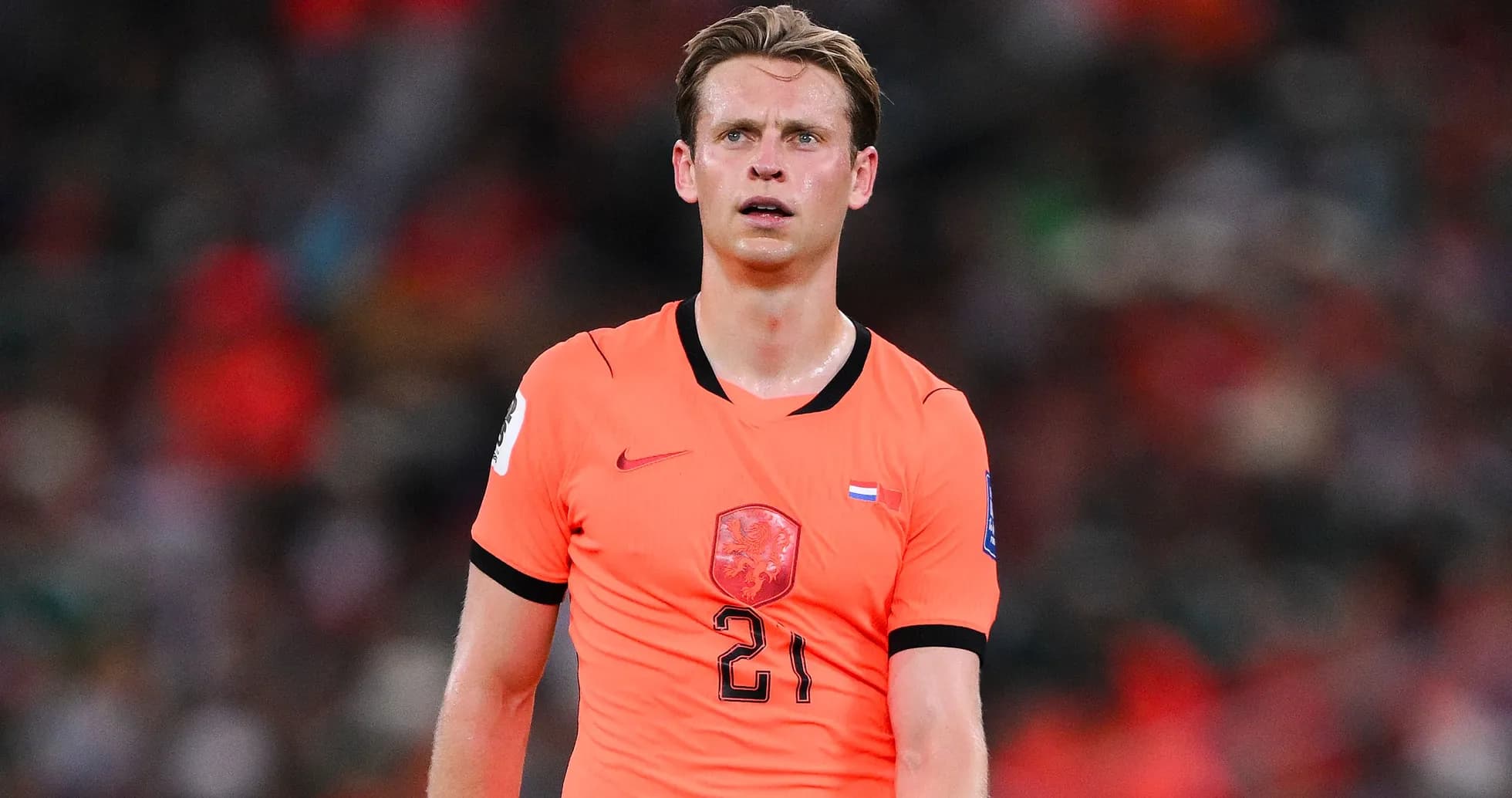
At the centre of his criticism stood Frenkie de Jong. Usually the metronome, the reference point, the player who knits Dutch possession together, De Jong instead endured what Van der Vaart called “the absolute worst game” he had ever seen from him. Harsh words, but they came with a pointed caveat: was it the player, or the system that betrayed him?
Koeman’s reshuffle left the Dutch engine room stripped back, exposed and outnumbered against Morocco’s strongest line. With only two men tasked to patrol that space, the Oranje midfield never gained a foothold. De Jong, starved of the ball, drifted to the margins of the match, a playmaker without a play.
Van der Vaart’s assessment was blunt. Morocco’s midfield, he argued, is the side’s defining asset. To meet that with just two central players was, in his words, “a bit clumsy.” De Jong only comes alive when his team can dictate possession. Here, the Netherlands barely saw the ball. The consequence was brutal: their supposed main man became “completely invisible” before Koeman finally replaced him with Marten de Roon after 110 minutes.
The criticism did not stop with De Jong. Cody Gakpo, the scorer of the Dutch goal, barely featured in the flow of the game either. Another key attacking outlet, another player left isolated by a structure that never seemed to suit its own stars.
As Morocco look ahead to a last-16 tie against Canada in Houston, buoyed by a performance that played to their strengths, the Dutch return home to something far less uplifting: an inquest.
Koeman now stands at the centre of it. His tactical direction, his willingness to gamble in a knockout environment, and his use of his most gifted players will all be dissected. The age profile of the squad, already a concern, has been laid bare by a tournament that ended too soon and too meekly.
The sense is that this is not a defeat that can be brushed aside with a few minor tweaks. With senior figures under intense scrutiny and the spine of the team looking tired, the Netherlands appear headed for a period of hard decisions and significant change before the next international cycle even begins.