.svg&w=384&q=75 "Pitchgist logo")
Premier League Transfer Market Soars as Clubs Break Records
On one side of the world, the game’s superstars are trading blows for a global crown. On this side, the biggest hitters in English football are locked in a very different contest – one fought in boardrooms, not penalty areas, and measured in millions rather than goals.
And right now, the numbers are spiralling.
Tottenham Hotspur jolted the market again on Wednesday, agreeing a deal to sign Newcastle United midfielder Sandro Tonali for a basic £92.5million, with a further £7.5m in achievable add-ons. A staggering fee on its own. Yet it landed just hours after Spurs had already smashed their own transfer record by confirming the £85m arrival of West Ham United midfielder Mateus Fernandes.
That “club record” tag barely had time to breathe. It may not survive the week.
Then came Manchester City. The champions stepped in with a £116m agreement to sign Nottingham Forest midfielder Elliot Anderson, pushing the bar even higher and sharpening a question that has been bubbling away for some time: what on earth is happening to the transfer market?
Prices go up. That much is normal. A £20m player in 2014 is a very different proposition to a £20m player in 2024. But this is something else. This is acceleration.
It is not just the headline figures. It is who is paying them. Tottenham, long seen as cautious spenders, are now dropping near nine-figure sums on midfielders. City, already operating at the sport’s financial peak, are stretching even further. The pattern is clear: the top end of the Premier League is dragging the entire market with it.
And Liverpool, whether they like it or not, helped light the fuse.
Last summer, the club that prides itself on sharp deals and smart margins went big. Very big. Liverpool spent £116m on Florian Wirtz, then topped it with a £125m move for Alexander Isak. Those two transfers alone would have been remarkable in any window. Wrapped inside a wider spree that saw the club’s total outlay reach almost £450m, they became era-defining.
No Premier League club had ever spent that much in a single window.
Yes, the figures came with context. Liverpool brought in more than £200m in sales. Arsenal, the eventual champions, posted the biggest net spend in the division. But the raw number remains: Liverpool’s gross outlay set a new benchmark, both for individual deals and for an overall window. In a market obsessed with comparison, those benchmarks matter.
Clubs watch one another. They build their valuations off each other’s business. Liverpool are no different. When they set a price, they look around the league for similar players in age, ability, position and contract status. That is why, even with Curtis Jones entering the final 12 months of his current deal, Liverpool want more than £30m. Recent deals for players of a comparable profile have inflated the going rate. The club sees no reason to undersell.
That approach is hardly unique. But when “good, not yet great” players start moving for vast sums, the knock-on effect is brutal. The base price for a solid Premier League-level talent rises. The cost of genuine elite quality threatens to go through the roof.
No surprise, then, that Paris Saint-Germain have taken a long look at this landscape and slapped a nine-figure valuation on Bradley Barcola. RB Leipzig, too, have read the room. They were content to resist Liverpool’s £86m interest in Yan Diomande even before the Ivorian winger was reported to favour a move to PSG. Why rush to sell when the tide is still coming in?
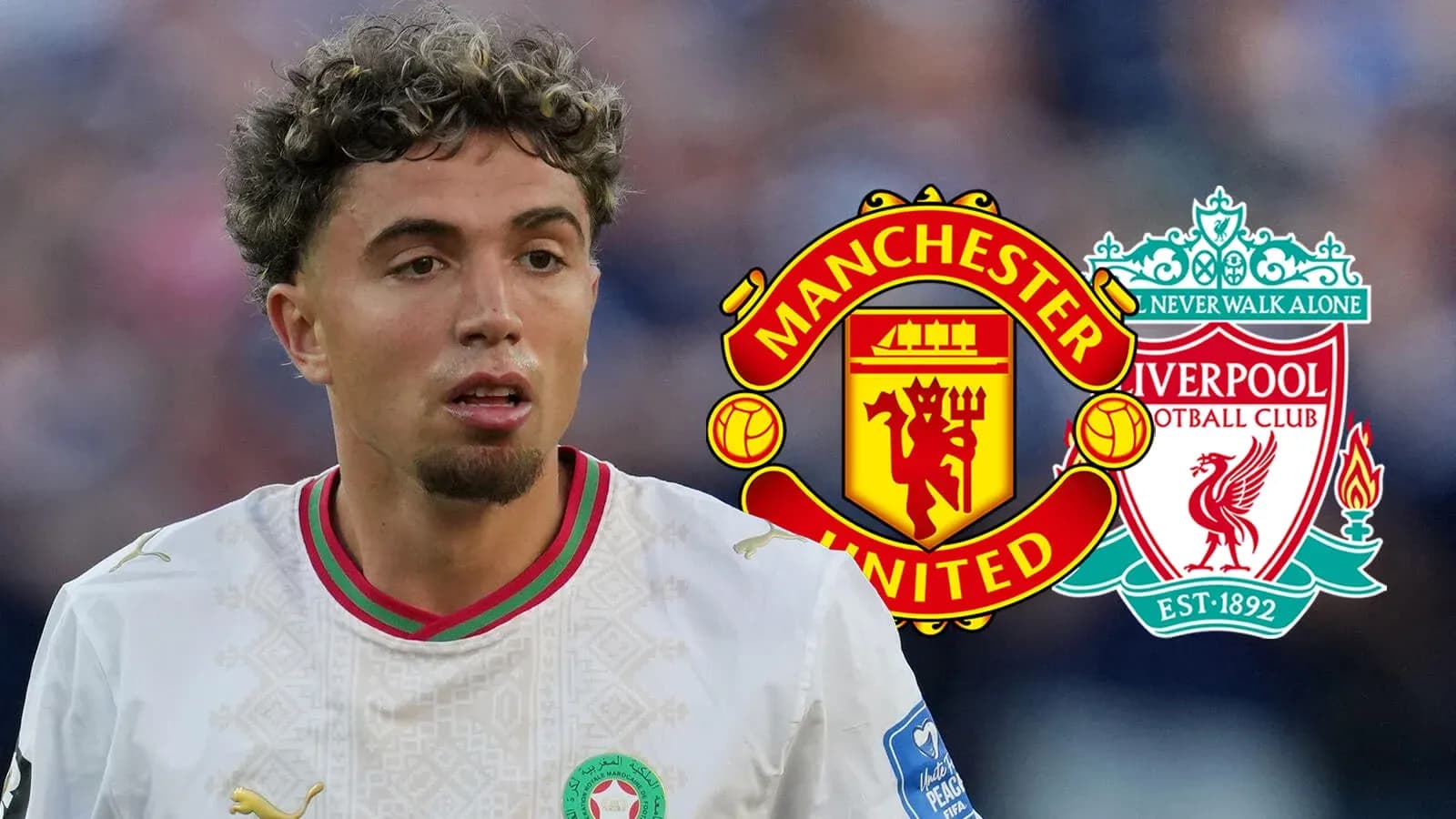
For Fenway Sports Group, this is both familiar ground and a fresh challenge. Liverpool’s owners have long worn their transfer nous as a badge of honour, priding themselves on extracting maximum value from sales and pouncing on opportunities others miss. The recent £34.5m move to trigger Victor Munoz’s release clause at Osasuna is a classic example: a Spain international winger, secured at a fixed price before the market could push it higher.
They have to operate that way. Even after last summer’s huge outlay, Liverpool cannot simply outmuscle every rival financially. There are structural and strategic reasons why they cannot match the most lavish spending of certain domestic competitors.
Yet this summer window is only just opening up for them, and the scale of the task is already clear. Andoni Iraola’s squad still has obvious gaps. Liverpool need players who are closer to the finished article, not just raw potential, if they want to keep pace at the top end of the Premier League. But the more complete the player, the more punishing the price.
That reality helps explain the club’s growing focus on younger targets, players whose peak years remain ahead of them and whose value might still have room to grow. It is a way of staying competitive in a market where established stars now command sums that would have seemed absurd even a couple of years ago.
The problem? Everyone else has seen the same trend. Everyone else is shopping in the same aisle.
So the numbers keep rising. Tottenham push past £90m. City stride beyond £110m. PSG and Leipzig dig in. Liverpool, like the rest, are forced to adjust or risk being left behind.
Players have never been more expensive. The Premier League’s elite are paying top dollar, then adding a little more on top. And with the window only beginning to warm up, the real question is not how high fees have gone already – but how much further they are about to climb.