.svg&w=384&q=75 "Pitchgist logo")
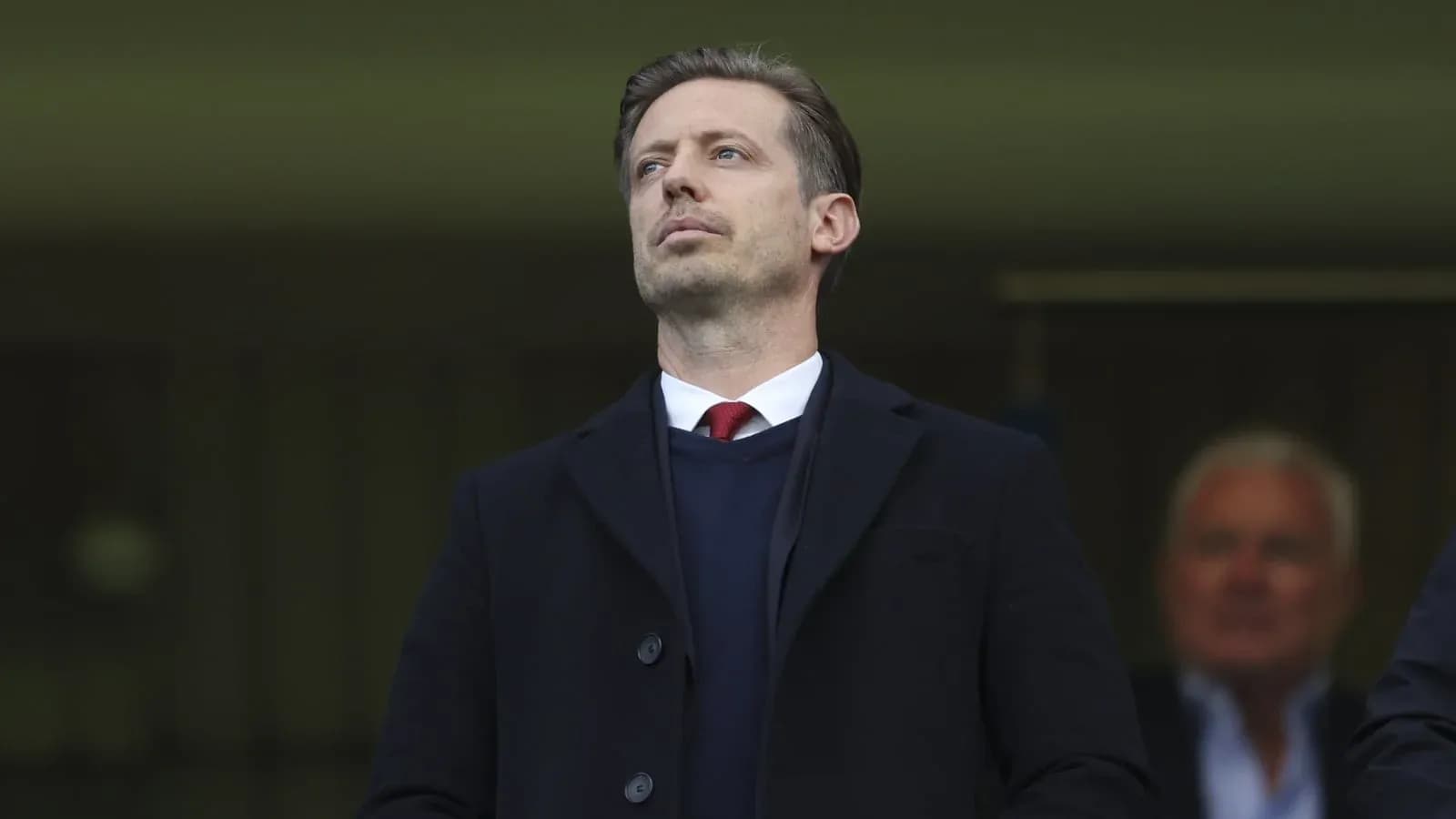
Michael Edwards Resigns: A Leadership Gap at Liverpool
Michael Edwards’ second Liverpool era is over. The architect of the club’s modern recruitment machine has resigned as Fenway Sports Group’s chief executive of football, leaving another significant hole in the club’s leadership structure at a delicate moment.
A grand plan that never truly began
Edwards, Liverpool’s former sporting director, had been tempted back into the fold two years ago, stepping into a more senior, strategic role with FSG in the aftermath of Jürgen Klopp’s departure. The brief was ambitious: build and oversee a multi-club football operation for the American ownership group, using the expertise that helped turn Liverpool into a serial contender under Klopp.
That project never took off. Late last year, FSG quietly parked the multi-club vision. Once it became clear the plan was being shelved, Edwards made his position known. He wanted to leave. Attempts from FSG to change his mind did not work.
Now, with a year still left on his contract, he walks away.
“It has been a privilege to return to Fenway Sports Group and Liverpool Football Club at such an important moment,” Edwards said in a statement, framing his exit as a departure from a position of strength rather than retreat from a faltering project.
“I leave believing Liverpool is in a strong position, with outstanding people, a clear direction and the foundations in place for continued success.”
Ambition scaled back, options left on the table
Edwards did not disguise his original excitement. He had come back not only to steer Liverpool through a major transition but to help shape FSG’s broader football ambitions.
“When I returned, I was excited not only by the opportunity to help guide Liverpool through an important period of transition, but also by the chance to help shape FSG’s wider football ambitions,” he said.
That wider vision changed. The multi-club strategy evolved “differently to how we had originally envisaged,” as Edwards put it. He stressed, though, that the groundwork had been done: his team had presented ownership with a “broad range of thoughtful and well-developed options for the future.”
The implication is clear. The ideas were there. FSG chose a different road.
Edwards signed off with a familiar nod to the people who have defined his Liverpool story: “I’d like to thank Mike (Gordon), John (Henry), Tom (Werner) and everyone across FSG and Liverpool for their support and friendship and, most importantly, the supporters, whose passion makes this club so special. I will always be grateful to have been part of its story.”
Leadership gap at a sensitive time
His exit lands at a moment when Liverpool and FSG can ill afford more uncertainty at the top of the football operation.
Speculation continues to swirl around current sporting director Richard Hughes and reported links to a move to Saudi Arabia. Nothing is confirmed, but the noise has not gone away. If Hughes does depart, Liverpool would be left without the two men entrusted to shape the club’s football strategy in the post-Klopp era.
Edwards’ resignation, then, is not an isolated administrative note. It deepens the list of questions FSG must answer about how they intend to run Liverpool in the next cycle, and who will hold the power to make the biggest calls.
Gordon steps in, again
For now, FSG president Mike Gordon will absorb Edwards’ responsibilities. Gordon has long been the ownership’s closest link to the football side of Liverpool’s operation and now steps formally back into the spotlight.
He was quick to underline Edwards’ impact.
“When Michael returned in 2024, he did so at a pivotal moment for Liverpool, embracing a broader leadership role across our football interests in the process,” Gordon said, describing an executive who did far more than simply manage transfers.
“Throughout both periods he has consistently demonstrated exceptional judgement, integrity and an unwavering commitment to building a strong football organisation for the long term.”
Gordon also drew a line between Edwards’ return and one of the club’s defining recent achievements.
“His return to the organisation saw Liverpool successfully navigate a significant period of transition before securing the club’s historic English league title, an achievement to which Michael made an important contribution.”
That detail matters. FSG want it remembered that Edwards’ influence extended beyond the data-driven recruitment revolution of his first spell. In their eyes, he helped guide Liverpool through turbulence and into a title-winning position once more.
“While we are naturally disappointed to see him leave, we will always be grateful for everything he has given,” Gordon added. “On behalf of John Henry, Tom Werner and everyone at Fenway Sports Group, I would like to thank Michael for his outstanding service, friendship and leadership, and wish him and his family every success and happiness in the future.”
Another turning point
Liverpool have grown used to emotional farewells in recent seasons: Klopp, long-serving players, key backroom figures. Edwards’ departure is different in tone, but no less significant. This is a strategist walking away just as the club’s next era is being pieced together.
The foundations he talks about may well be in place. The question now is who will be trusted to build on them, and whether FSG can find another figure with the same authority, clarity and track record to shape what comes next.