.svg&w=384&q=75 "Pitchgist logo")
Liverpool's Potential £1.35 Billion Stake Sale and Jeff Bezos' Interest
Liverpool are no strangers to seismic shifts off the pitch, but this one would drag the club into a different financial galaxy.
A consortium fronted by former Queens Park Rangers co-owner Amit Bhatia and backed by the family of steel magnate Lakshmi Mittal is in talks to buy up to a 30 per cent stake in Liverpool, in a deal worth around £1.35 billion, according to the Daily Mail. The numbers are stark: that price tags the club at just over £4 billion.
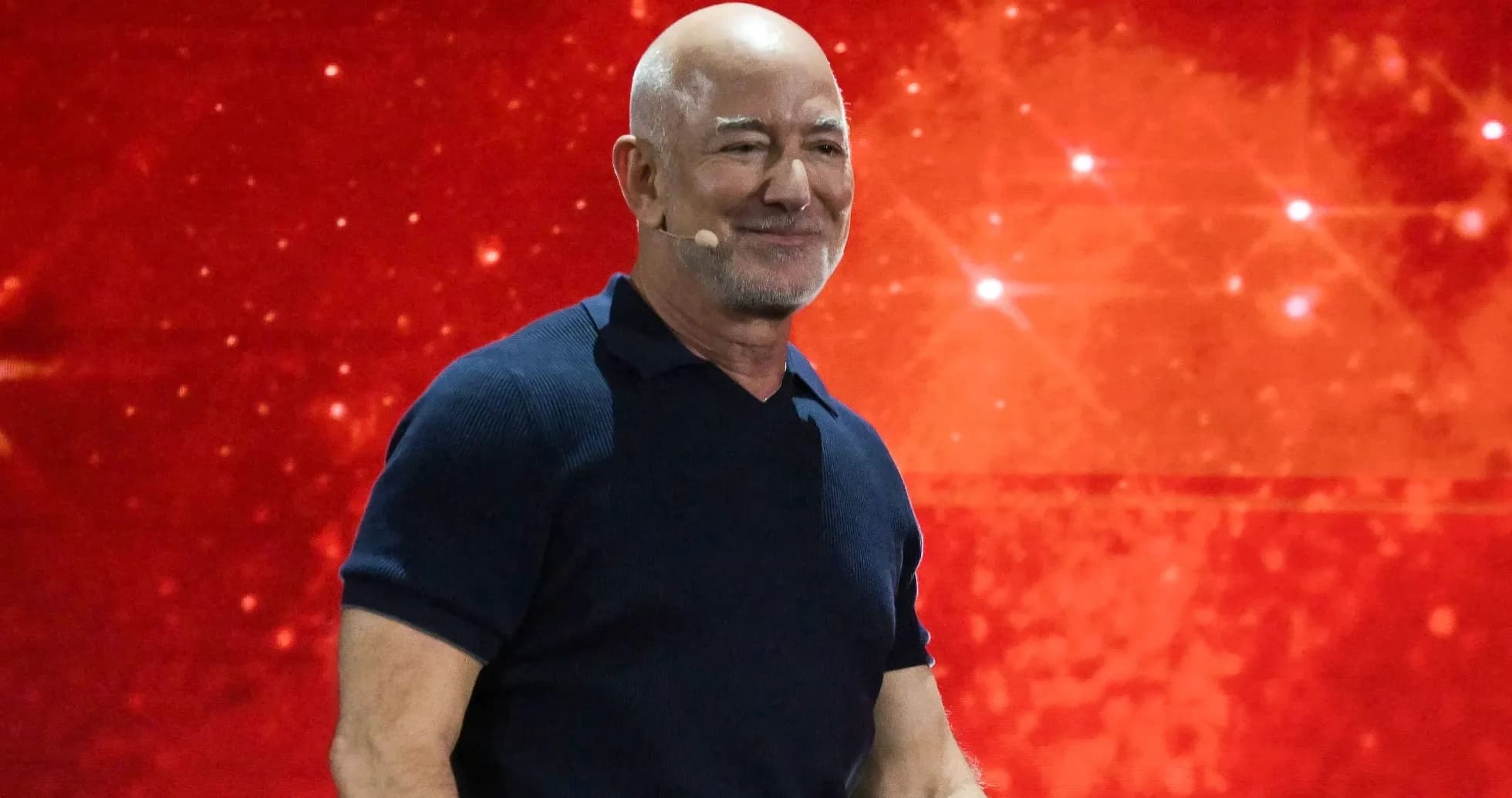
And then there’s the name that changes the temperature of any boardroom discussion in an instant: Jeff Bezos.
The Amazon founder, whose personal fortune is estimated at £192 billion ($257bn), is reportedly interested in joining the group to reinforce the offer. Fenway Sports Group, Liverpool’s owners since 2010, have confirmed the approach.
“An investment consortium led, managed, and represented by Amit Bhatia has expressed interest in making a strategic minority investment in Liverpool Football Club,” an FSG spokesperson said, drawing a clear line: minority, not takeover.
So what does that actually mean for Liverpool?
FSG cashes in – but keeps the keys
Football finance expert Kieran Maguire believes this is classic FSG: hard‑nosed, long‑term, and firmly on their terms.
“As far as the potential Liverpool investment is concerned, it looks like it's going to be up to 30 per cent or £1.3bn. That values the club at just over £4bn, which is broadly in line with expectations,” he told the Daily Mail.
The crucial detail sits in the control column. Even if the full 30 per cent changes hands, FSG would still own around 60 per cent of the club.
“From FSG's point of view, it's a super smart piece of business,” Maguire said. “Yes, they have sold part of the club before but this will ensure they still own a controlling stake of around 60 per cent.
“So in terms of the long-term strategy of the club and the individual transfer windows and recruitment issues, it is still FSG's decisions that are being made.”
In other words, no change to who calls the shots on managers, signings or sporting direction. The power structure remains in Boston.
There is another line in Maguire’s assessment that will interest supporters watching the transfer budget: the money from any sale goes to FSG, not directly into Liverpool’s bank account.
“If they are selling 30 per cent, that money goes to FSG not Liverpool, so there is no physical impact upon the club's coffers,” he explained.
So this is not a sovereign wealth-style injection into the squad. It is a reshaping of the ownership balance sheet.
Bezos, Mittal and a new financial muscle
Where the story shifts is in the identity of the potential minority partners. Bhatia brings deep experience in sport and business. The Mittal family brings heavy industry wealth and global reach. Add Bezos to that mix and the dynamic changes again.
Maguire outlined how that kind of backing could quietly alter Liverpool’s financial firepower without a headline-grabbing change of control.
“If the club is looking to borrow money at a future date for whatever circumstances and you are owned by Mittal's son-in-law and Bezos, they will be in a position to lend money on an interest-free basis which can only help in terms of cash flow,” he said.
Interest-free loans from ultra‑wealthy minority investors would give FSG a different kind of flexibility. Stadium projects, infrastructure, short-term liquidity gaps – all look less daunting when the club can tap into that level of wealth without going to the markets at commercial rates.
Then there is the commercial side, where Bezos’ presence looms largest.
“Also, having a potential partner of the magnitude of Bezos does mean there is the opportunity for synergies. If Amazon Prime want to increase their global influence, then one way could be to do a partnership with Liverpool, whether in terms of content or sponsorship,” Maguire added.
The logic is obvious. Liverpool’s shirt, its badge, its anthem – they already travel. Amazon Prime is hunting for more live sport, more shoulder programming, more hooks into fanbases that stretch across continents. A strategic tie‑in would be as much about media and data as it is about logos on hoardings.
“Liverpool goes out to the world and Amazon goes out to the world as well,” Maguire said. “As well out of the world, maybe! He is flying people into space after all.”
The quip underlines the point: this is about reach. One of football’s most storied clubs aligning, even partially, with one of tech’s most powerful empires.
Control vs. ambition
For FSG, the balancing act is clear. They want to keep control, keep their model, but plug into deeper pockets and wider networks as the financial arms race in elite football accelerates.
For Liverpool, the question is sharper. Can a club remain rooted in its traditions while welcoming a cast of global billionaires into the boardroom? Or is this precisely the kind of calculated move required to keep pace with state-backed rivals and private equity-fuelled projects across Europe?
The talks will decide the structure. The season ahead will show whether Liverpool can turn this kind of off‑field clout into on‑field trophies.