.svg&w=384&q=75 "Pitchgist logo")
France's Disappointing Exit Under Didier Deschamps
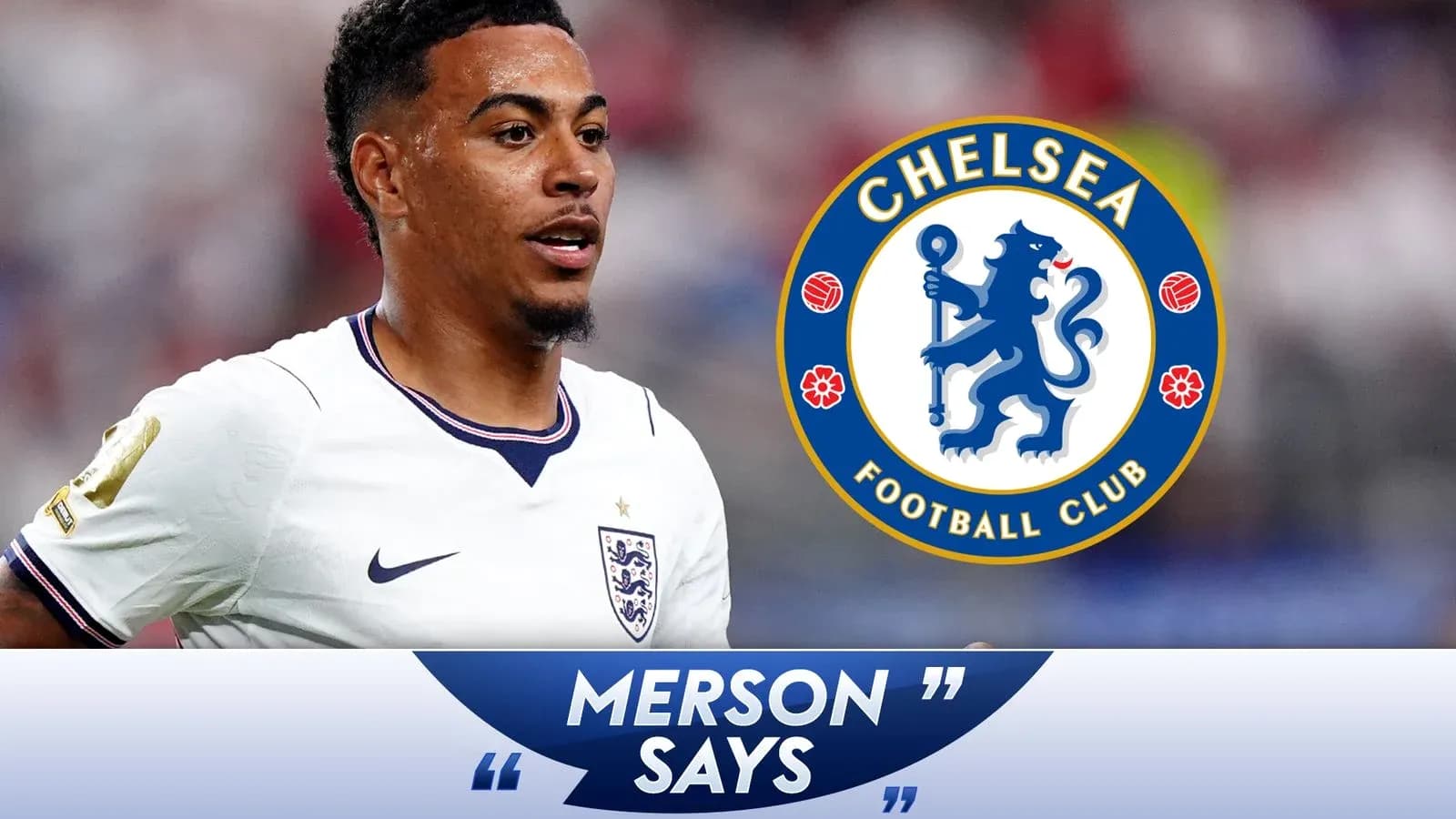
France’s final act under Didier Deschamps was supposed to be a quiet exit, a third-place play-off in Miami that nobody really wanted. Instead, it turned into a public unravelling.
By half-time, England led 4-0. France were a mess.
From the opening whistle, Les Bleus looked like a side still stuck in the grief of their semi-final defeat to Spain, unable – or unwilling – to reset. England, sharper and hungrier, cut through them at will. The scoreline at the interval did not flatter Gareth Southgate’s team. It exposed France.
The damage was not just on the scoreboard. It was on the touchline, in the body language, in the arguments.
During a first-half drinks break, Rayan Cherki and Deschamps clashed in a heated exchange, a flash of tension that summed up a night when discipline and unity frayed badly. On the pitch, players jogged instead of sprinted, duels were lost without resistance, and France’s shape disintegrated. Off it, the man who had held this dressing room together for 14 years watched his final game drift away from him.
The response at the whistle was brutal and honest.
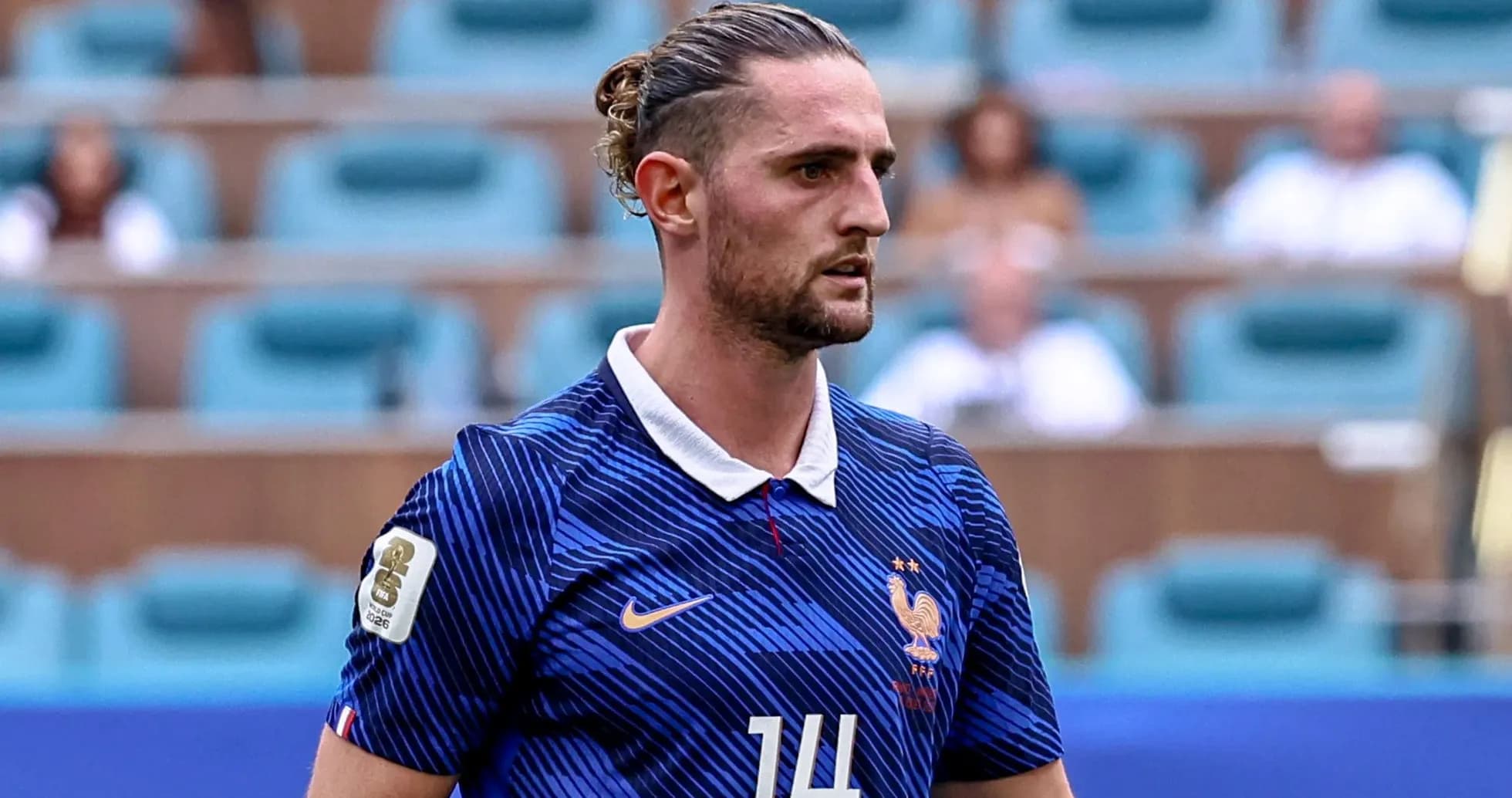
“We started the first half quite shamefully,” Adrien Rabiot told beIN SPORTS, refusing to shield his team-mates. The AC Milan midfielder went further, lifting the lid on what he had seen from close range. “I saw behaviour from some players that I'd never seen before. It's a bit disappointing because it was the last match to do well in this competition.”
He spoke like a senior player who had run out of patience. The semi-final loss to Spain, he said, could not excuse what followed.
“There's a lot of disappointment after the loss against Spain, but there was work to be done until the very end and we can't just be content with sloppy play like that. We talked at halftime; we told ourselves we needed to show some pride, and it was much better in the second half because in the first half, some of the behavior was unacceptable."
That halftime conversation did at least drag France back into the contest. They finally woke up, scored four times and played with the urgency and bite that had been missing. The scoreboard, though, never forgave them. England kept scoring too, and the game finished 6-4.
The contest had been framed in apathy before a ball was kicked. Deschamps himself had admitted that neither side was truly up for it, saying bluntly: “England does want to play this game and neither do we.” It sounded like a manager bracing for a flat occasion. What he got was worse: a lifeless first half, a chaotic second, and a performance that laid bare the fractures inside his squad.
For Deschamps, it was an oddly subdued and disjointed farewell. Fourteen years, a World Cup, a Euros final, and countless nights of control and resilience – all ending with internal tensions on the touchline and a team that only rediscovered its pride when it was far too late.
England, by contrast, walked away with clarity and momentum. They punished France’s frailty, embraced the chaos, and used the play-off as a platform rather than a burden. Declan Rice, speaking afterwards, captured the mood inside their camp.
"This is the best England group for a very long time," he said. "That's a fact. No one can take that away from us. I think we can be proud as a group. We are just gutted we lost in that semi-final."
England’s regret is sporting. France’s runs deeper. As Deschamps steps away, he leaves behind a team that still has talent, still has status, but now faces a harsher question: who picks up the pieces from a night in Miami that stripped away all excuses?