.svg&w=384&q=75 "Pitchgist logo")
England's World Cup Semi-Final Defeat: Tuchel's Tactical Decisions Questioned
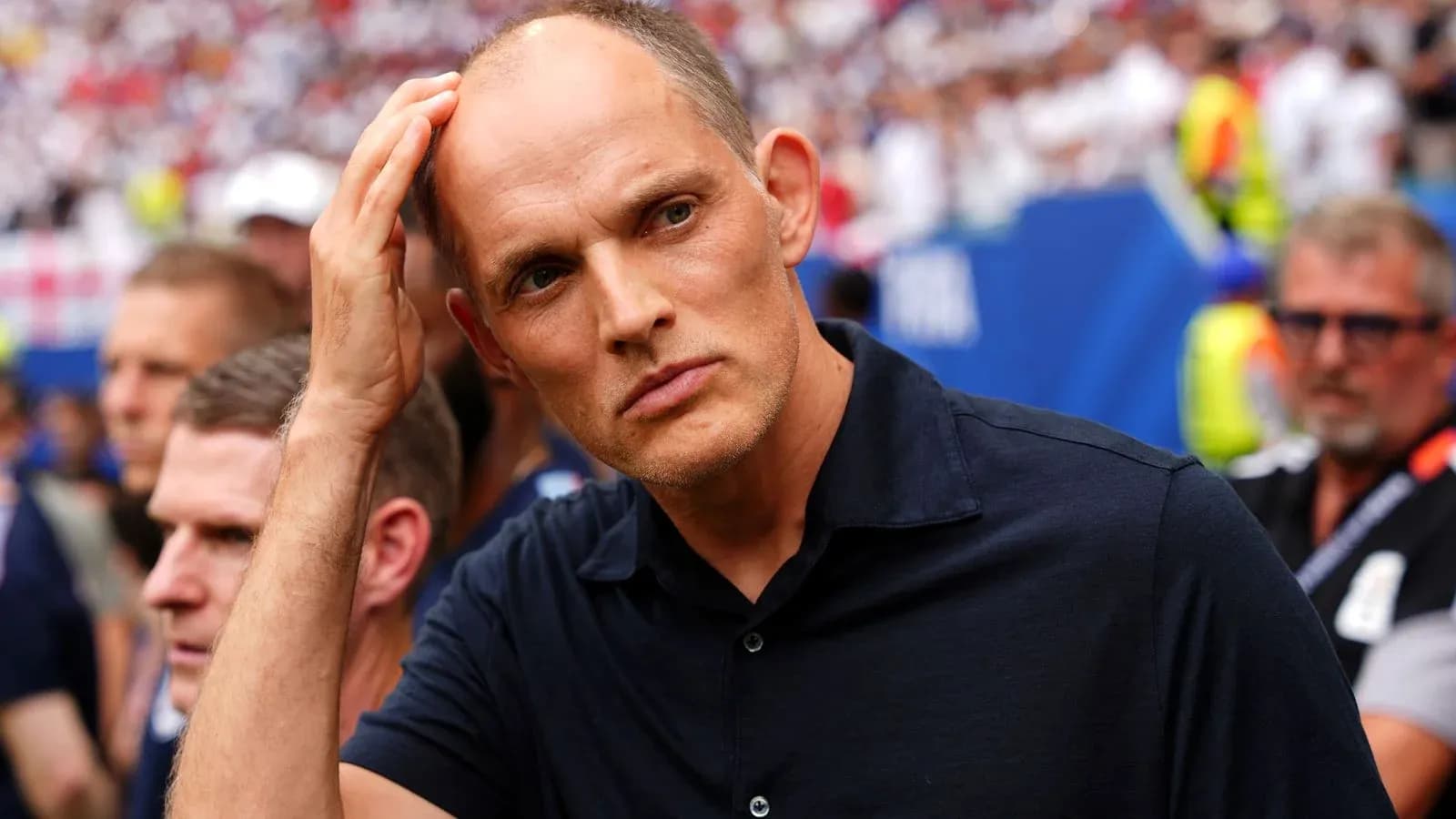
England players questioned Thomas Tuchel’s late-game decisions in the World Cup semi-final defeat to Argentina, with several – including senior figures – left baffled by the head coach’s defensive substitutions.
Inside the dressing room, the feeling among some was blunt: the changes hurt England’s chances of reaching the final instead of protecting their lead.
From control to retreat
England were ahead, the stadium crackling, and the plan seemed to be working.
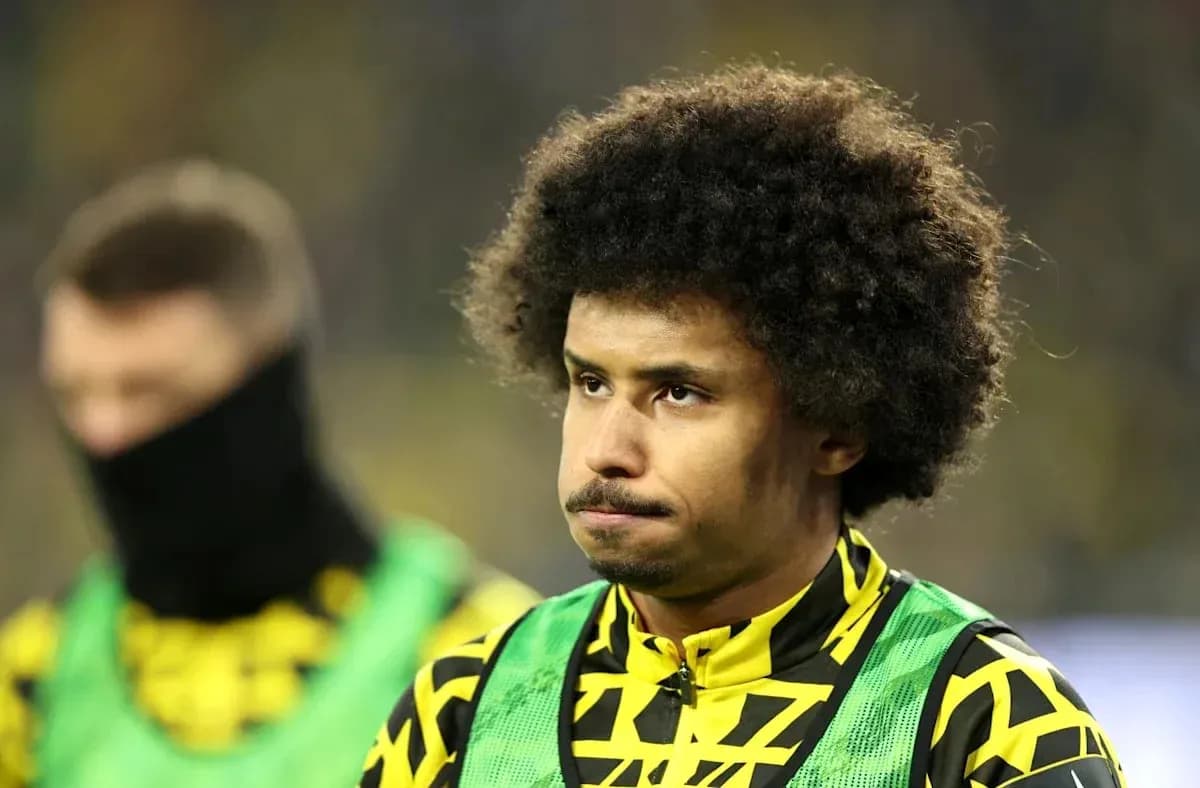
Anthony Gordon’s 55th-minute strike, created by Morgan Rogers bursting down the right and finding him on the left, was the culmination of a tournament-long strategy: target Argentina’s full-backs with pace and width. It was exactly the scenario Tuchel and his staff had identified as a weakness.
Then the game flipped.
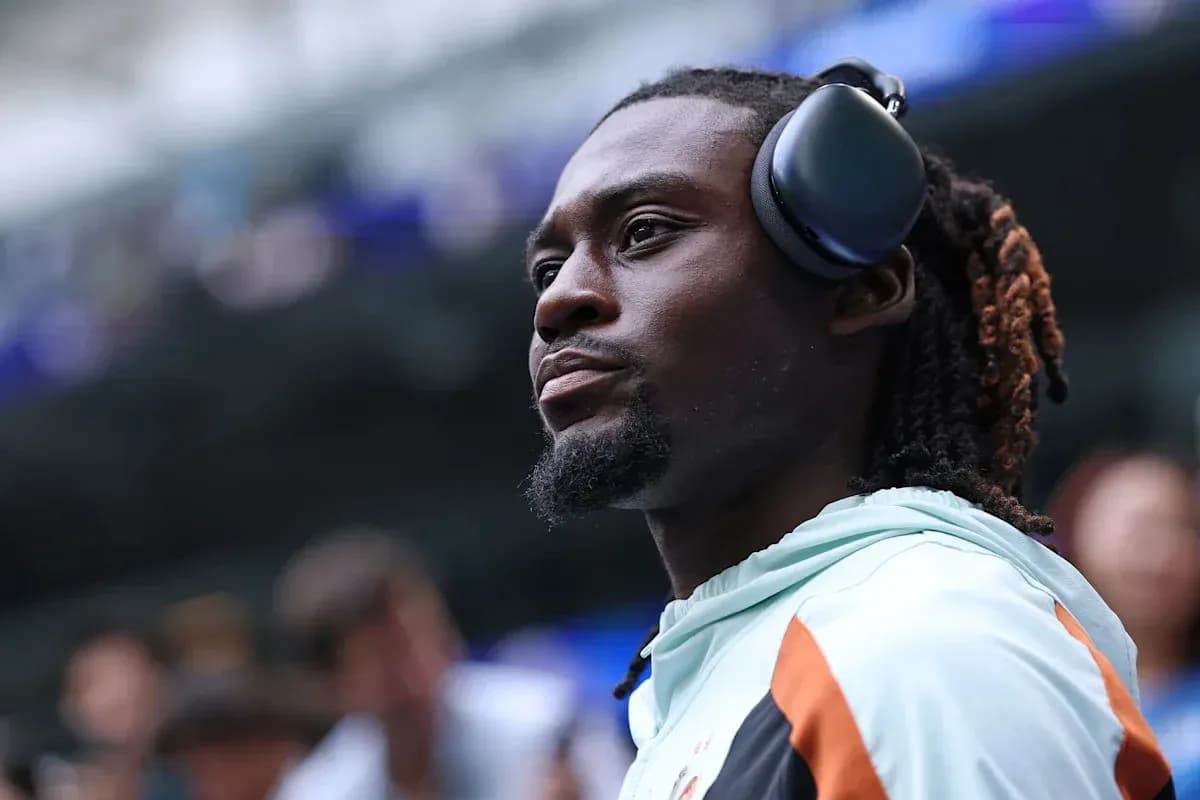
With Argentina pushing harder and England sinking deeper, Tuchel made his first big call. Seventeen minutes after Gordon’s goal, the winger’s night was over. Ezri Konsa came on, England moved to a back five, and there was still more than half an hour to survive.
The message, intentional or not, felt clear: hold what we have.
Ten minutes later, another pillar of the side disappeared. Declan Rice, who had been managing illness and fitness problems throughout the tournament, was replaced by Nico O’Reilly. On paper, it offered fresh legs. In reality, England now had six defenders on the pitch, four of them natural centre-backs, and Harry Kane dropping ever deeper to help repel attack after attack led by Lionel Messi.
Inside the camp, those uneasy with the shift saw the same picture: no out-ball, no one to pin Argentina back, no runner to stretch the game down the flanks. The very weapons England had built their campaign around stayed sheathed.
Noni Madueke, Bukayo Saka and Eberechi Eze never left the bench. Marcus Rashford did, but only in the 96th minute, when England were already trailing 2-1 after Enzo Fernandez and Lautaro Martinez had completed a brutal late turnaround.
Between Gordon’s opener and Martinez’s stoppage-time winner, England had just 12 per cent possession. A semi-final slipping away, and almost no way to breathe.
Tuchel stands firm
Tuchel faced the questions head-on afterwards. He admitted he had not yet reviewed the game in detail, but he did not accept that his tactical calls were to blame.
In his view, the issue ran deeper than one night in a World Cup semi-final. He pointed towards what he described as a systemic problem in English football: an inability to keep the ball under intense pressure, unlike Spanish, Argentinian or Brazilian players raised on possession-dominant styles.
His switch to a back five, he argued, was calculated. Argentina had introduced Nico Gonzalez on the left, pushed Messi to the right, and shifted into a bold 4-2-4. Tuchel’s response was to shut down the flood of crosses, close spaces in the box and try to suffocate Argentina’s wide threat.
Some players saw it differently. To them, the substitutions felt negative, inviting pressure and making it harder for the defence to reset and for the team to hold the ball. What started as a proactive, front-foot game plan became a desperate rearguard.
What they make of Tuchel’s “DNA” comments remains unclear. His suggestion that English players are inherently less comfortable in possession under stress than their South American or Spanish counterparts will not have gone unnoticed in a squad packed with Champions League regulars.
Unity tested, not broken
Despite the tactical misgivings, there is no indication of a fractured camp. Those close to the group insist there is no rift, no personal animosity towards Tuchel. He is still viewed as a commanding, popular figure, someone the players respect and respond to.
Inside the Football Association, his position is just as secure. Tuchel retains full backing from his bosses after the defeat, and he has been unequivocal about his own intentions. He is, in his own words, “100 per cent” committed to staying on and leading England into Euro 2028, when the country will share hosting duties with Scotland, Wales and the Republic of Ireland.
The semi-final in Argentina will linger, though. The night England’s wingers stayed seated, the defence grew heavier, and a lead in a World Cup semi-final slipped away under a blue-and-white tide.
The question now is not whether Tuchel survives this setback. It is whether he can convince this group that, next time the pressure comes, England will meet it with the ball at their feet rather than their backs to the wall.