.svg&w=384&q=75 "Pitchgist logo")
Egypt's Historic Comeback Win Over New Zealand
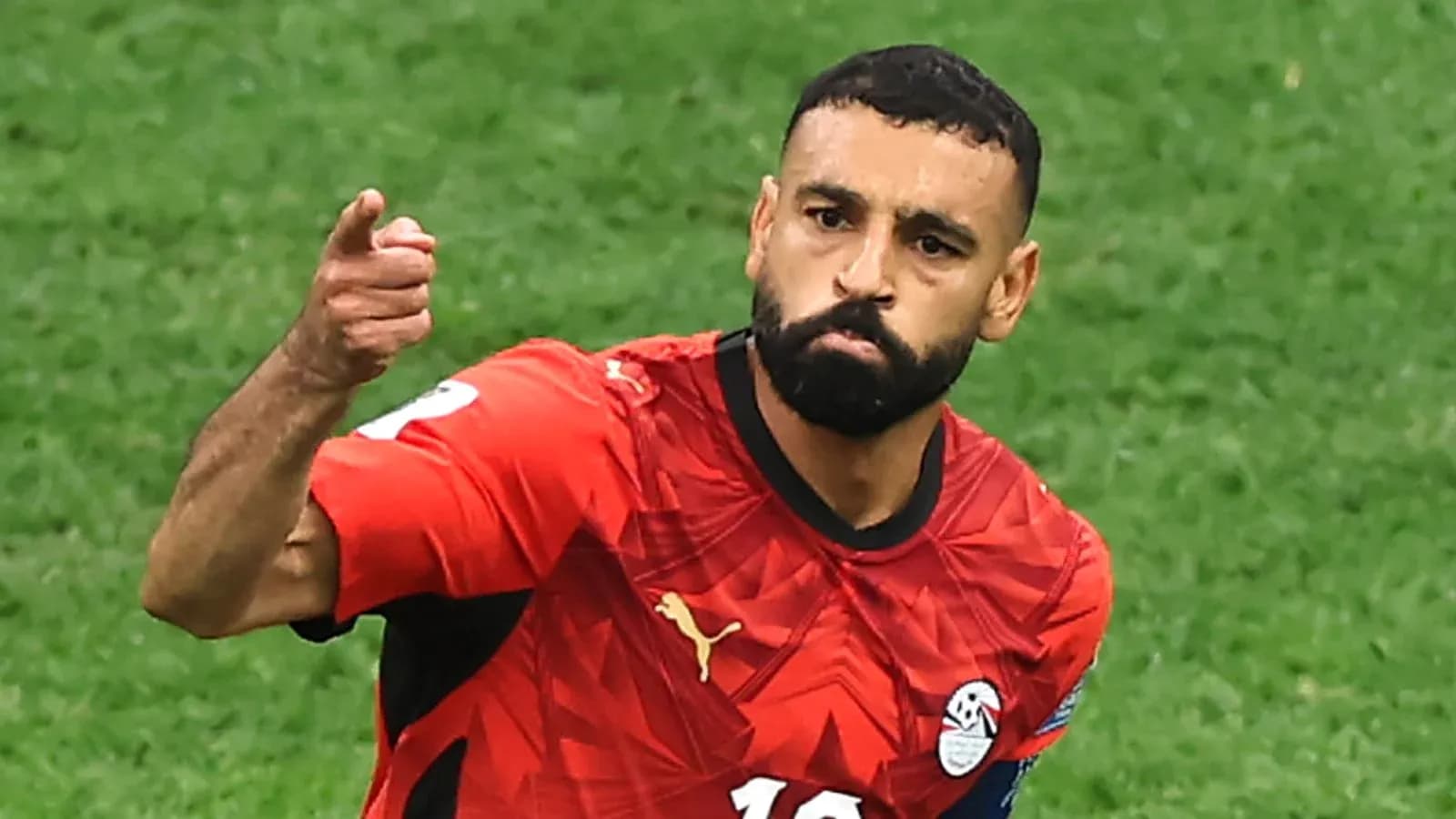
For 92 years, Egypt kept turning up at World Cups and leaving without a single win. Three tournaments, seven games, no victories. The wait finally ended in Vancouver – and of course it was Mohamed Salah who ripped the weight off their shoulders.
A goal and an assist from the 34-year-old, plus a decisive corner for the third, turned a flat, anxious night into a 3-1 statement and pushed the Pharaohs to the brink of the knockout stages for the first time.
It did not start like a landmark evening. Far from it.
New Zealand strike, Egypt sleepwalk
New Zealand arrived as underdogs but looked anything but. They were sharper, cleaner in possession, and far more aggressive in the first half. Egypt, tentative and disjointed, played as if the ghosts of 1934, 1990 and 2018 were sitting on their shoulders.
The warning came early. In the 14th minute, Mostafa Shobeir had to make a sharp save at his near post to deny Elijah Just. Egypt didn’t wake up. From the resulting corner, they were punished.
Finn Surman, left criminally unmarked, powered in a header to give New Zealand the lead on 15 minutes. Basic defending, badly executed. A team chasing history had forgotten the fundamentals.
Salah, tightly marshalled and on the periphery, had one notable moment before the break. Omar Marmoush rolled a free-kick into his path on the edge of the area, the angle perfect for that familiar left-foot whip. The shot bent around the wall – and curled the wrong side of the post.
Egypt trudged off at half-time looking exactly what they were: a side in danger of watching their World Cup drift away before it had really started.
Hassan’s words, a different Egypt
Something changed in the dressing room. Hossam Hassan’s “stern talking-to” barely does it justice. Egypt emerged after the interval with a different energy, a different edge. Suddenly they pressed higher. They snapped into duels. Their attacks carried threat.
New Zealand still carried a punch. Shobeir had to stay alive on 52 minutes, back-pedalling to tip a looping Callum McCowatt header over the bar. Had that dropped in, Egypt’s story might have ended there.
Instead, the pressure swung the other way – and stayed there.
On 58 minutes, Mohamed Hany advanced down the right and finally found quality in the final third. His cross picked out Mostafa Ziko, completely unchallenged, and the forward buried his header. Simple, ruthless, and exactly what Egypt had lacked before the break.
The goal jolted the contest. New Zealand retreated a few yards. Egypt sensed it.
Salah takes over
The turning point came nine minutes later, and it felt utterly familiar. The move, the finish, the body language – straight out of Salah’s Premier League playbook.
Egypt broke at speed. Ziko and Salah exchanged passes, slicing through New Zealand’s stretched shape. As the ball came back to him, left foot ready, Salah opened up his body and swept his finish home with that controlled inevitability that has tormented English defences for years.
Egypt led for the first time. Vancouver roared. A nation exhaled.
The goal was more than a comeback strike. It made Salah the oldest player ever to score for Egypt at a World Cup, and the oldest African on record to both score and assist in a World Cup match. At 34, in his first major tournament since leaving Liverpool, he is still dictating the biggest nights.
He had already assisted Hany’s goal against Belgium earlier in the tournament. He scored in both of his World Cup games in 2018, against Russia and Saudi Arabia. The streak continues: every World Cup match Salah has played in, he has either scored or created.
This is what elite looks like when the years start to stack up but the standards do not drop.
Trezeguet seals it, Egypt believe
New Zealand, rocked, tried to respond but never truly recovered their first-half rhythm. Egypt, once so timid, now hunted the third goal that would turn a nervy night into a historic one.
It arrived eight minutes from time, again from Salah’s left boot.
This time the delivery came from a corner on the right. The ball arced into the danger area, and substitute Trezeguet attacked it with conviction, diving to head past Max Crocombe. 3-1. The noise said it all.
There was still time for one last chance, as if to underline how completely Egypt had flipped the script. In stoppage time, Zizo rounded Crocombe but hesitated, his shot eventually blocked. By then, it barely mattered.
The World Cup of the superstar – and Salah still belongs
This tournament has been branded the World Cup of the superstar. Kylian Mbappé, Vinícius Júnior, Jude Bellingham, the new faces of the global game. Yet in Vancouver, it was the veteran from Nagrig who owned the night.
“He’s doing what he does best,” as the analysis will read. The numbers back it up. The moments do even more.
After the match, Salah called the win “a great achievement for all the players, for the staff,” and spoke about writing history and qualifying so that, in years to come, this run is remembered as one of Egypt’s greatest feats. That is the scale of what is at stake now.
On the other side, Darren Bazeley’s verdict was blunt. “Disappointing,” he called it. New Zealand had dominated the first half, created chances, controlled the ball. Then Egypt raised the tempo and the All Whites could not live with it. Their path is brutally clear: they must beat Belgium to keep their own dream alive.
Egypt’s, though, has never looked more vivid. A first World Cup win in the bank. A superstar still bending games to his will. The knockout stages almost within reach.
The drought is over. The question now is how far Salah can drag this team before the story stops.