.svg&w=384&q=75 "Pitchgist logo")
U.S. Women's National Team Faces Hostile Atmosphere in Brazil
The U.S. women’s national team are used to being the destination. Opponents fly in, play their games in front of largely friendly crowds, then head home. This June, the roles flipped.
Emma Hayes took her new-look side into Brazil’s backyard, a year out from a possible return for the 2027 Women’s World Cup, and found exactly what she wanted: hostility, chaos, and discomfort.
Baptism in Brazil
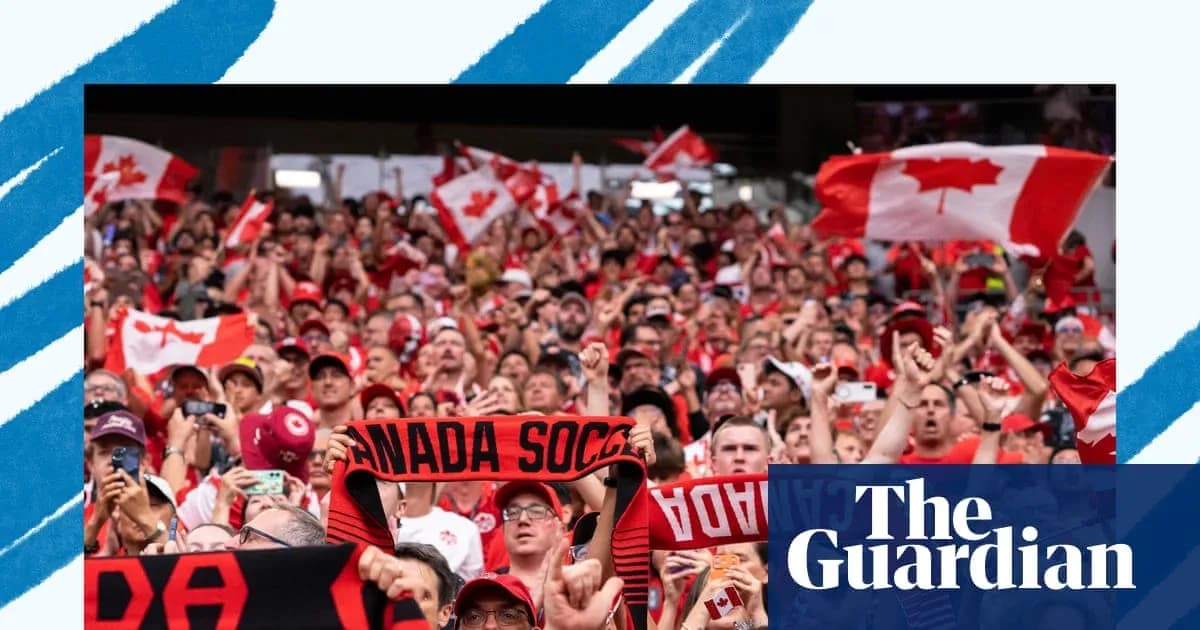
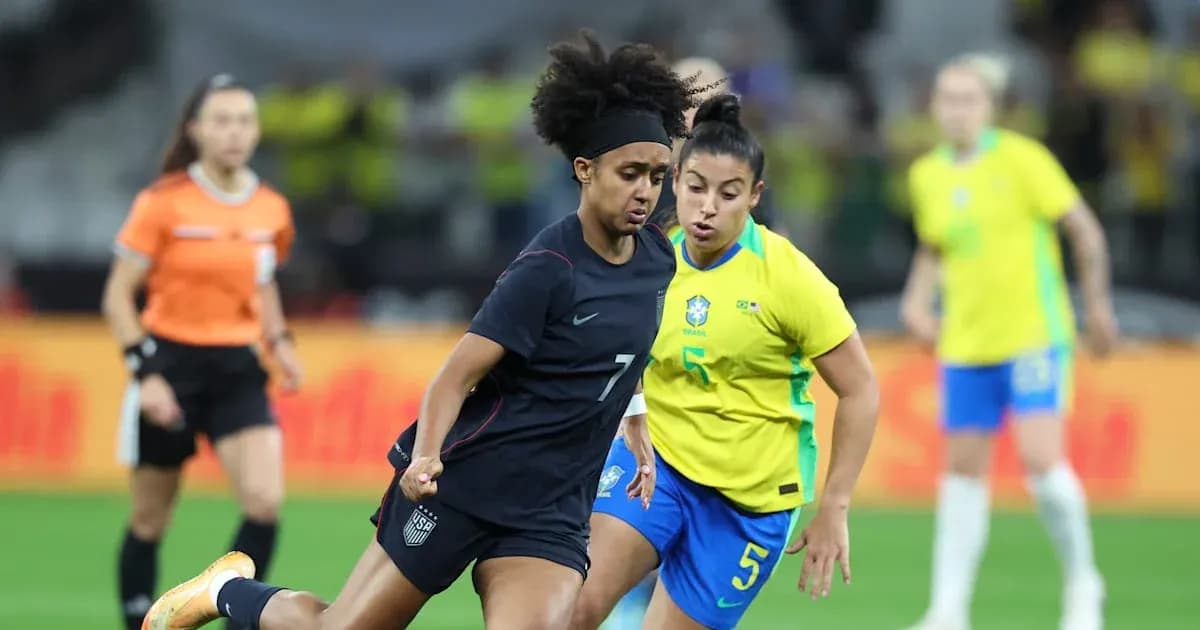
From the first whistle on Saturday, the noise in the Brazilian stands didn’t dip. It didn’t even waver. The U.S. players were booed, whistled at, shoved, and hacked down in a setting many of them had never truly experienced.
“It was an amazing atmosphere and it’s one that, as much as I can prepare my team for this, you don’t really know until you experience it,” Hayes said afterward. For several of her players, this was a first taste of that kind of intensity from the crowd.
The game itself mirrored the environment. Brazil brought their trademark physicality and what Hayes called “chaos ball,” pressing with aggression, contesting every challenge, and turning the match into a scrap as much as a showcase.
This is exactly the point of the rebuild. Hayes knows you can’t shape a hardened tournament team without exposing it to discomfort. With World Cup qualifiers looming in November and the possibility of returning to South America next year, she wants her squad to feel the edge now, not later.
“I am so happy for the experience, because if we want things to be easy, we stay at home and play in LA or somewhere else,” she said. “We don’t want easy.”
Fast start, harsh lesson
For a moment, it looked like the U.S. might quiet the crowd on their own terms. Sophia Wilson struck early, her first goal since returning to the national team, and the visitors briefly held the upper hand.
The silence didn’t last.
Brazil hit back with a rapid double, turning 0-1 into 2-1 inside 15 minutes. The stadium erupted, the tempo spiked, and the U.S. never quite regained control. They saw flashes of opportunity but carved out very few truly clear chances as Brazil defended with discipline and edge.
Inside the U.S. camp, there was no attempt to pin the loss on the referee, the crowd, or the conditions. The message was internal: this is about us.
“It’s difficult when it’s a game like that, when you’re being thrown to the ground multiple times and calls aren’t going your way,” captain Lindsey Heaps said. “But it’s up to us – it’s that mental capacity to stay in a game like that.”
She pointed to the team’s composure as a sign of progress, even in defeat.
“I’m really proud of our team because we stayed level-headed and we still created opportunities, but it’s about having that experience to get that goal back and walk away with a result from this kind of game. It’s hard but I think that emotional control has gotten so much better throughout this past year.”
Wilson echoed her captain’s view. The goal was a personal milestone, but the performance exposed where this U.S. side still needs to grow.
“We needed to do a better job of controlling the game and keeping that lead, but it was a really good test for us, and we felt what it is like to play here in their home country,” she said. The key, she added, is the quick turnaround: “I think we can take what we need to from this game and the nice part is we get to go again in a few days.”
No hiding place in Fortaleza
That “again” comes on Tuesday, when the U.S. and Brazil meet for the 45th time. The stakes are unofficial, but the subtext is sharp: the U.S. are trying to avoid a third straight defeat to the Brazilians, a run that would have been unthinkable not long ago.
This time, Fortaleza provides the backdrop and, by all accounts, another unforgiving atmosphere. The whistles will come again. So will the tackles. So will the chaos.
Hayes has made it clear that this is the path she has chosen for her team. No soft landings. No curated comfort. If the U.S. want to be ready for what awaits them in a World Cup on South American soil, they have to learn to breathe in the noise, not shrink from it.
The next 90 minutes in Brazil won’t just be about the scoreline. They’ll be a measure of how quickly this group can turn a bruising lesson into a sharper, harder edge of its own.