.svg&w=384&q=75 "Pitchgist logo")
Uruguay’s World Cup Start Derailed by Travel Chaos
On the eve of their World Cup debut, Uruguay expected to be fine-tuning set-pieces and rehearsing Bielsa’s pressing triggers. Instead, La Celeste spent precious hours grounded in Mexico, tangled in paperwork and finger-pointing.
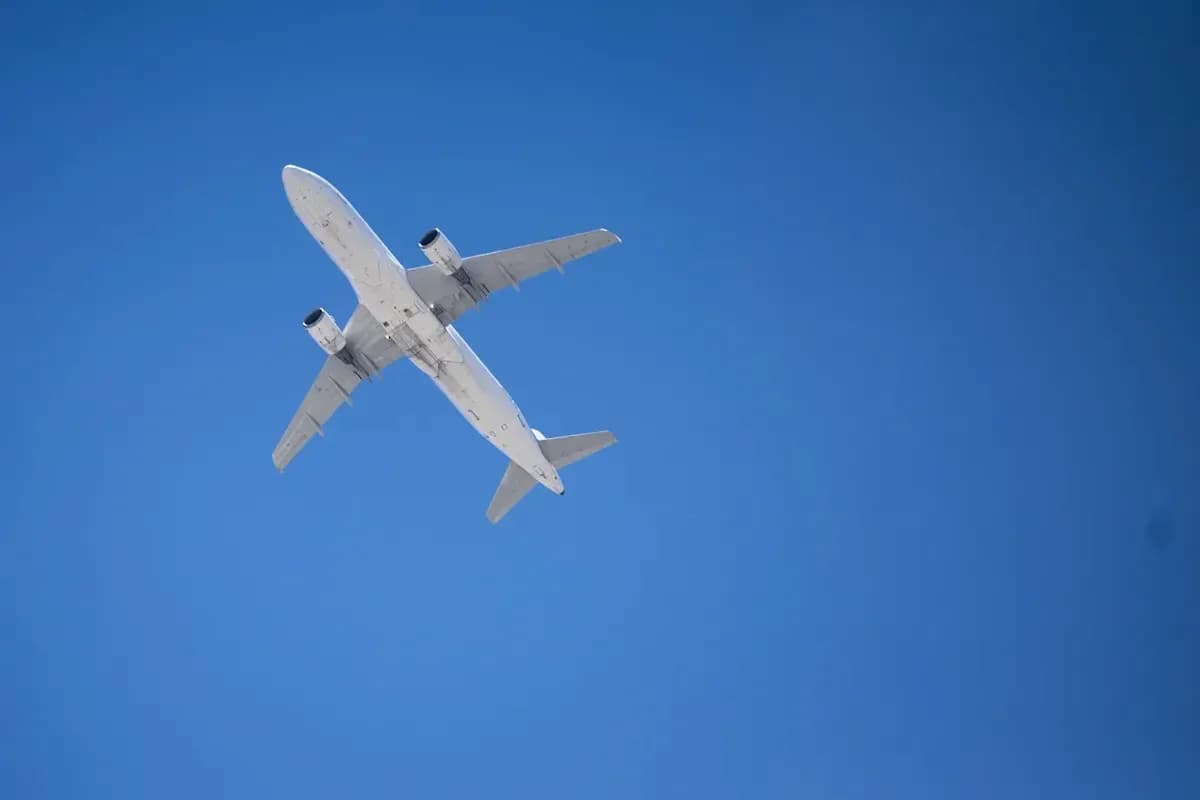
Less than 24 hours before their opener against Saudi Arabia, Uruguay’s flight from Cancún to Miami never left the runway. The overland segment of the journey stalled over missing documents, with reports indicating that FIFA had not secured the necessary permits in time. What should have been a routine hop turned into a logistical fiasco, leaving the squad stuck at their base in Playa del Carmen.
The confusion quickly spilled into the open. When The Guardian approached the Uruguayan Football Association (AUF) to clarify who was at fault, the federation did not shield the organisers. A spokesperson confirmed that the delay stemmed from “issues beyond the AUF’s control,” making it clear Uruguay saw the problem as external and unexpected.
Behind the scenes, AUF officials scrambled. For several hours they worked to secure a replacement flight, trying to salvage a preparation schedule already shredded by uncertainty. Every hour lost meant less time to acclimatise, less time to settle into tournament rhythm.
FIFA, though, pushed the blame elsewhere. Speaking to ESPN, the governing body pointed directly at the carrier, insisting the fault lay with the airline. The company, FIFA said, had apologised for the disruption, while FIFA itself “remained in close contact with Uruguay’s national team” and coordinated with the airport and other partners to resolve the mess as quickly as possible.
So the buck passed back and forth while Marcelo Bielsa’s squad waited.
For a coach obsessed with detail, this is the kind of disruption that cuts against every instinct. Travel delays, broken routines, late arrivals: they all chip away at the carefully constructed calm before a major tournament. The fallout was immediate. The scheduled pre-match press conference with Bielsa and captain José María Giménez was cancelled, stripping Uruguay of a chance to set the tone publicly before their first ball is even kicked.
Bielsa, though, chose not to inflame the situation. He downplayed the chaos, insisting the circumstances “did not cause a problem,” a typically stoic line from a manager who prefers to keep the focus on the pitch rather than the runway.
Giménez offered a more candid assessment. “We had a few complications and it was difficult,” the defender admitted, acknowledging the strain of the day. Still, he stressed that the squad had made the best of it, using the time to rest and recover at the hotel while the administrators fought the paperwork battle.
Eventually, a flight was arranged. Uruguay did get out, but only after a significant delay and a day that felt far more turbulent than any smooth World Cup build-up should.
Now the question lingers: will this be remembered as a minor footnote in a deep Uruguayan run, or as the first crack in a campaign that never quite escaped the turbulence of its take-off?