.svg&w=384&q=75 "Pitchgist logo")
Scotland Faces Tough Challenge Against Haiti in World Cup
Steve Clarke had Haiti marked down as dangerous long before the rest of the world started paying attention.
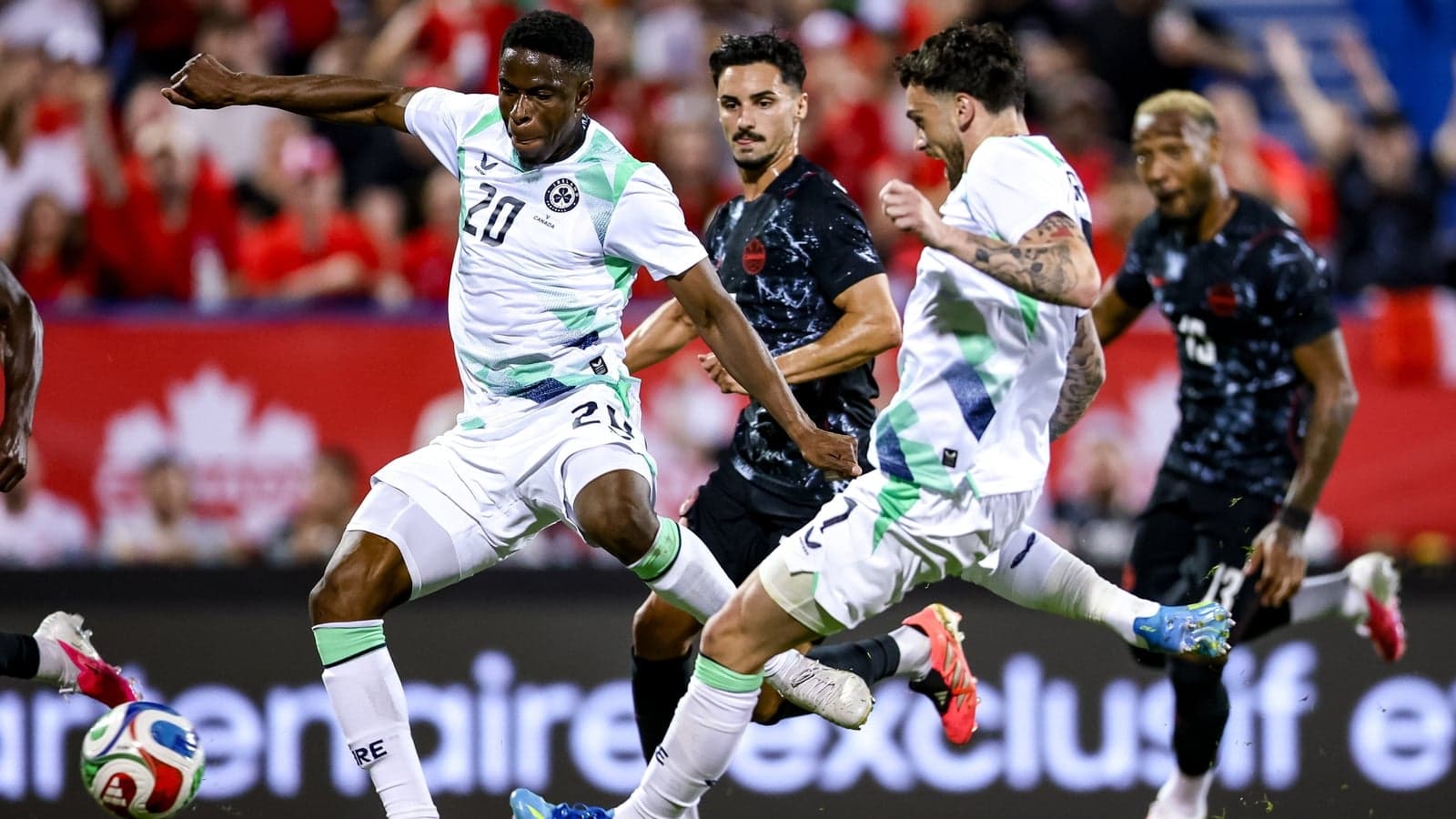
While Scotland’s support scanned the World Cup fixture list and circled the Caribbean side as the “must-win” match, Haiti quietly went out in Fort Lauderdale and tore New Zealand apart 4-0 at Chase Stadium. Any lingering complacency evaporated in 90 ruthless minutes.
Clarke, though, was already on alert.
Scotland are in New Jersey for their final warm-up against Bolivia on Saturday, the last stop before Foxborough and a group-stage opener that suddenly looks far more hazardous than many had assumed. This is Scotland’s first World Cup since 1998, their latest attempt to finally break through the glass ceiling and reach the knockout stages. On paper, Haiti – ranked 81st in the world and coached by Frenchman Sebastien Migne – appeared the softest touch in a section that also includes AFCON champions Morocco and global powerhouse Brazil.
That paper now looks badly out of date.
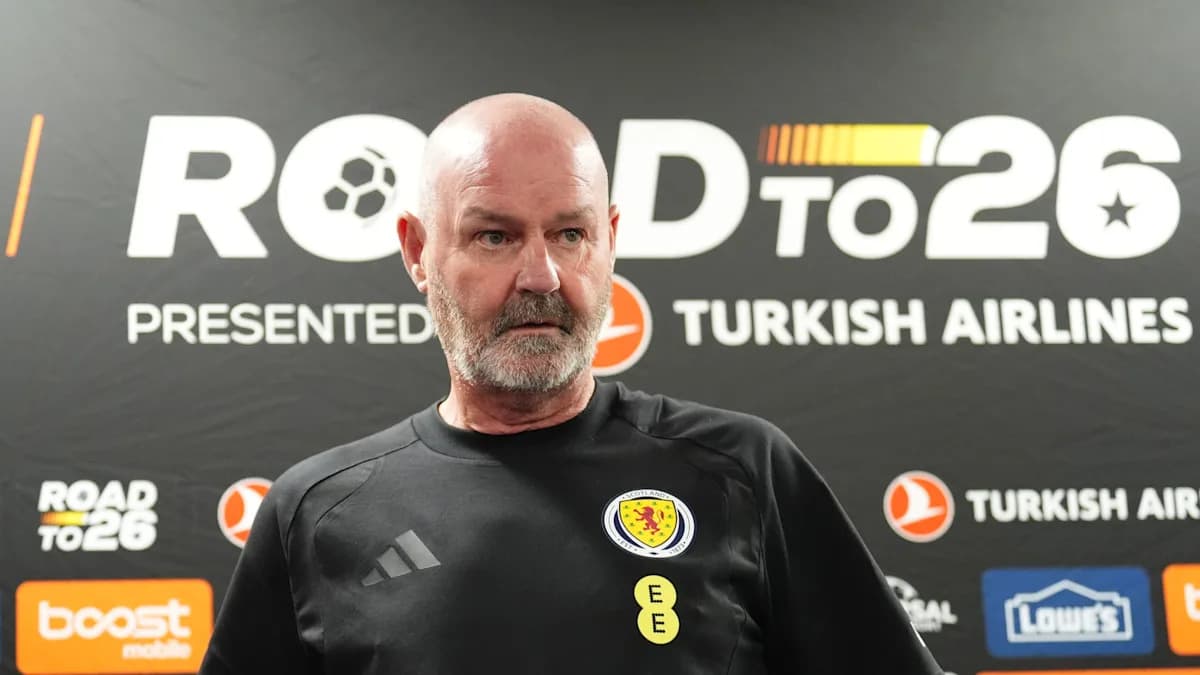
“They were really good the other night,” Clarke said at Sports Illustrated Stadium, his respect for Haiti clear. He has watched enough football, and enough tournaments, to know that rankings can be a trap.
“We’ve got a terrible habit, not just in Scotland, but in the UK in general, of looking at these nations and thinking they’re not very good, or looking at whatever their ranking in the world,” he warned. “But they play in a different section of the world, so maybe in their section, they’re really good.”
The evidence was there against New Zealand. Haiti were, in Clarke’s words, “much better than New Zealand” – big, strong, physical, but with more than just raw power. They pressed, they passed, they played. They had a technical edge and a confidence that made a mockery of the number beside their name on FIFA’s list.
“They have good players who play in good leagues,” Clarke pointed out. “I was never under any illusion, it was going be a tough game, and it’s probably nice that some people get to see how they played the other night, because it’s going be a difficult game for us.”
If Haiti’s demolition job in Florida served as a public service announcement, it only reinforced the Scotland manager’s conviction that this World Cup will punish any team that turns up undercooked. Which is why there will be no half-hearted jog-through against Bolivia.
The temptation, with the tournament so close and the memory of Billy Gilmour’s misfortune still raw, would be to ease off. The midfielder’s knee injury in the 4-1 win over Curacao has ruled him out of the World Cup and stripped Clarke of one of his most gifted players. It was a brutal blow, the sort of moment that can make a manager second-guess every tackle in every friendly.
Clarke is having none of it.
“You want me to wrap them in cotton wool and not train? You need to work,” he said, blunt as ever. For him, preparation is non-negotiable. Injuries, as harsh as they are, come with the territory.
“Injuries are part and parcel of football. When it happens, especially when it happens in the circumstances that happen to Billy, it’s really disappointing,” he admitted. “Everybody’s got to take a deep breath and move forward again.”
That is the tone around this Scotland camp: regret, then resolve. No sulking, no self-pity. The squad has absorbed the Gilmour news, and now the focus is on sharpening what remains.
“Selection is straightforward,” Clarke said. “We have to do what we have to do to prepare for the Haiti game. So players need minutes. I need to see one or two players’ position on the pitch. And then we’ve got a week to prepare for the first game, so it’s all about preparation. There’s no trying to protect players or whatever.”
A few players are carrying minor niggles, but nothing serious enough to alter his plan. Bolivia will not be treated as a formality; they are the final rehearsal before the curtain goes up on a World Cup that offers Scotland both opportunity and jeopardy in equal measure.
Haiti have already smashed the stereotype that they are simply there to make up the numbers. Clarke never believed that in the first place. The question now is whether his players, and the country watching back home, are ready to treat Foxborough’s opener with the same seriousness.
Scotland have waited 26 years to come back to this stage. The margin for error, as Haiti have just reminded them, is as thin as ever.