.svg&w=384&q=75 "Pitchgist logo")
Martin O’Neill to Remain as Celtic Manager
Twenty-six years after Dermot Desmond first persuaded Martin O’Neill to swap Leicester for Glasgow, Celtic are preparing to hand the club back to the man who once reshaped it.
The 74-year-old has agreed a one-year contract to remain as permanent manager, with the deal expected to be confirmed shortly. An option for a second year is understood to be built in. Age has not dulled his pull in the east end of Glasgow; if anything, the past few months have sharpened it.
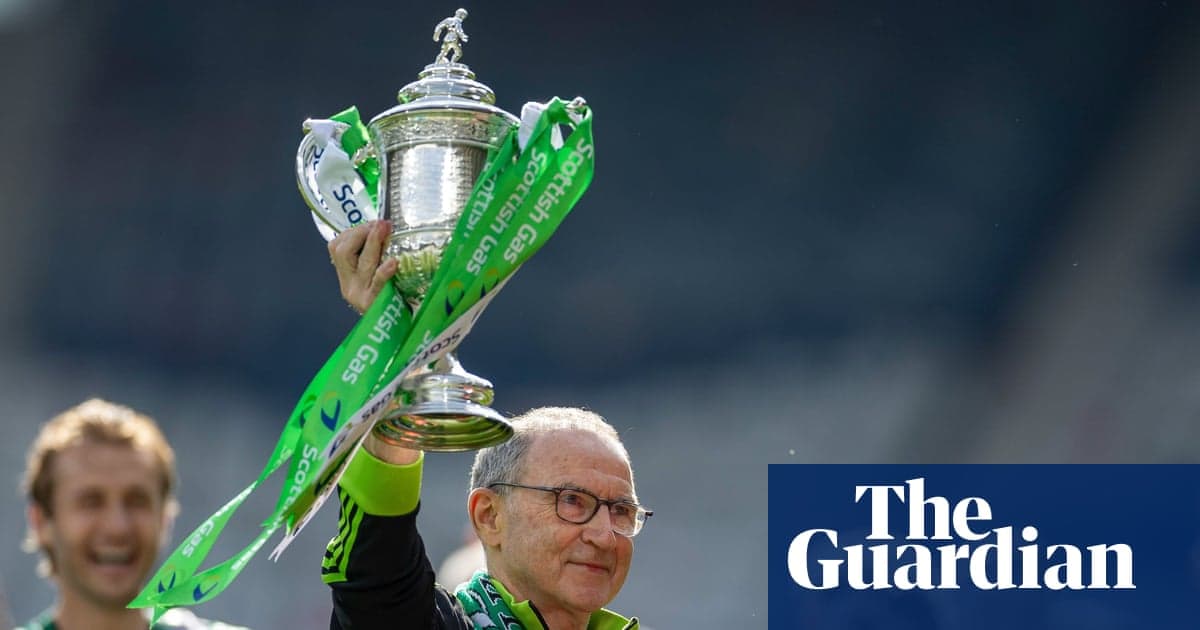
O’Neill stepped in twice as interim this season and still found a way to deliver a domestic double, a reminder of his knack for imposing order and ambition on a club that often lives on the edge of chaos. The Scottish Cup final win over Dunfermline offered him a natural exit point. Instead, it became a pause for reflection.
He asked for time after that victory, weighing up whether he had the appetite for a full-time return to the frontline. Inside Celtic, there was little doubt. The feeling was that the Northern Irishman, who has never quite lost his connection with the club, wanted the job again if the conditions were right. They were.
The route to O’Neill was not straight. Celtic’s hierarchy had given serious thought to Robbie Keane, who held talks this week with Desmond, the club’s principal shareholder. Keane’s name has long carried weight among sections of the support, and his coaching career has taken him from Maccabi Tel Aviv to Ferencvaros, where he resigned at the end of May.
But the idea of Keane in the dugout detonated a fierce backlash among part of the Celtic fanbase. The anger focused on his spell in Israel, a move that jarred with many supporters’ political and moral stances. For a club so attuned to its own identity, that discontent mattered. The noise around Keane grew loud, and it grew hostile.
The pressure told. The path cleared for the familiar figure.
So Celtic turn again to O’Neill, the man who once dragged them out of Rangers’ shadow and into a new era of belief. His first spell brought three Scottish titles, three Scottish Cups and two Scottish League Cups, but the numbers only tell part of the story. Under him, Celtic strode back onto the European stage, reaching the 2003 Uefa Cup final in Seville, where they fell to José Mourinho’s Porto.
That run, and those years, hardened his status as one of the defining managers in the club’s modern history. Now he returns to a different Scottish football landscape, but to the same unforgiving expectations.
This is not a romantic cameo. A one-year deal with an option carries a clear message: Celtic want O’Neill’s authority and experience, and they want it now. The domestic double he delivered as caretaker has already reset standards. The next chapter will decide whether this second coming becomes a coda to a great career, or the start of one last, serious tilt at dominance.