.svg&w=384&q=75 "Pitchgist logo")

Marcus Rashford's Challenge at Barcelona: The Rise of Anthony Gordon
Marcus Rashford used to be the poster boy. Manchester United’s homegrown hero, the kid who carried Old Trafford’s hopes on his shoulders and made it look easy. Not long ago, though, he looked finished at the very top level – drained, disillusioned, and locked in a fallout with Ruben Amorim that ended with a pointed declaration: he was “ready for a new challenge.”
A short spell at Aston Villa flickered with promise. Glimpses of the old Rashford, the direct running and clean strikes, but nothing sustained. It felt like a holding pattern, not a rebirth. He needed somewhere to belong again, not another temporary address.
Barcelona offered that lifeline, but only halfway. A loan, not a commitment, with a €30m option tucked neatly into the paperwork – a modest fee in this market for a player of his pedigree. The competition was fierce: Lamine Yamal, Raphinha, Robert Lewandowski, Ferran Torres. No guarantees. Just an opening.
Hansi Flick wanted him. That mattered.
“[Barca sporting director] Deco and I, we spoke before the season about what we need. We need a player like him. I'm so happy to have him here in Barcelona,” the coach said back in September.
Rashford answered with numbers and moments, not slogans: 14 goals, 11 assists, and a free-kick in May’s Clasico that will live long in the memory, whipped in with audacity to help seal La Liga in style.
No longer the lost forward from Manchester. A decisive one in Catalonia.
Rashford has since made it plain he wants to stay at Camp Nou. Team-mates have rallied behind the idea, urging the club to trigger that option and keep him. His resurgence has kept alive the lifeline Thomas Tuchel threw him in March 2025, carrying him all the way to what will be his fifth major international tournament.
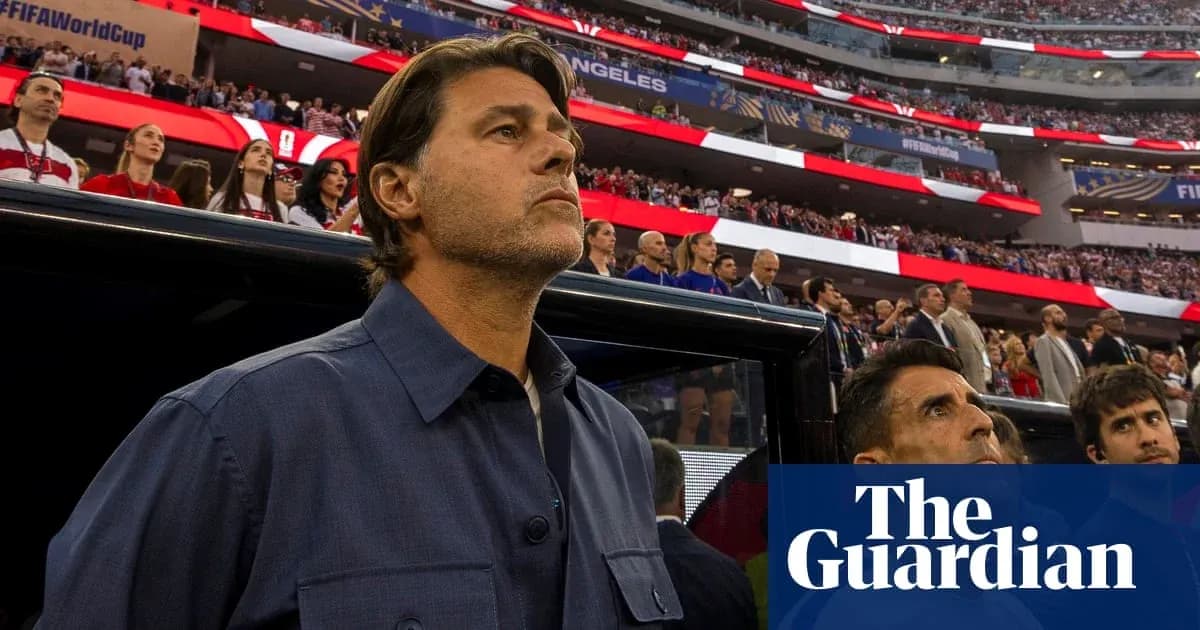
Yet for all that, he may still find himself watching the anthem from the bench.
Because Anthony Gordon offers something Rashford does not – and you won’t find it just by scrolling through goals and assists.
The runner Tuchel cannot ignore
Modern international football is less about soloists and more about orchestras. Systems rule. The brightest talents need a supporting cast willing to run, press, and sacrifice their own glory to keep the structure intact. Tuchel, perhaps more than any other elite coach, lives in that world.
Gordon is built for it.
He never stops. With the ball, without the ball, it doesn’t matter. He darts into channels, endlessly showing for through-balls that might never come. Run, reset, run again. Many of those movements die in cul-de-sacs, but he keeps offering, stretching defences until something finally snaps.
When his team lose it, he becomes a nuisance of the highest order. A relentless presser, he hounds full-backs and centre-halves, turning their first touch into a problem. One sequence from the 2023-24 season tells the story: he mugged Trent Alexander-Arnold, burst past three Liverpool defenders, and finished coolly. Desire, work-rate, and quality, all wrapped into one passage of play.
The data backs up the eye test. Last season Gordon covered more ground per game than Rashford – 7.43 kilometres. Statsbomb numbers put him in the 96th percentile for defensive actions, 98th for pressures, 94th for counter-pressures in the Premier League. Those are elite pressing metrics, the sort of profile coaches dream about when building a high-energy system.
Tuchel sees the logic clearly.
Phil Foden and Cole Palmer might be more gifted in pure technical terms. Their touch, their vision, their flair – few would argue against that. But they don’t mesh with Tuchel’s plan as cleanly as Gordon does. That’s why they’re watching this summer from home, and Gordon is not.
Built around Kane
Everything in this England side bends around Harry Kane. He is the reference point and the release valve, the striker who loves to drop into pockets, thread passes, and orchestrate play from deeper positions. Tuchel has embraced that roaming instinct, not fought it.
To make it work, he needs a wide forward who will do the hard running that Kane no longer can, filling the spaces the captain vacates and threatening the back line so England don’t become too static in the final third.
Gordon is exactly that.
He has played as a No.9 for both Everton and Newcastle and could do so for Barcelona too, depending on how they replace Lewandowski. But his footballing education came on the touchline. A traditional winger, hugging the chalk, making the same hard run over and over – and, crucially, getting it right more often than not.
With the ball, he complements Kane. Without it, he protects him. Gordon’s engine allows England’s captain to conserve energy, to pick his moments rather than chase every lost cause. The pair have already shown signs of chemistry: 528 minutes together across 12 games, nine wins, including a 5-0 demolition of Latvia in which both got on the scoresheet.
That is not a coincidence. It is a pattern.
Tuchel’s ruthlessness
There is always risk when a manager chooses the system over the star. Tuchel doesn’t flinch at that. This is who England hired: a coach who will bench big names if they don’t fit the tactical puzzle, no matter the noise.
Dropping Rashford for Gordon would fit neatly into that philosophy. It would also stand in stark contrast to Sir Gareth Southgate’s final act at Euro 2024, where loyalty to certain players outlived their form. Tuchel has studied that failure. He will not repeat it.
Gordon is not just a runner, either. He completed more take-ons per 90 than any other Newcastle player last season. He can beat a man, create a spark, lift a crowd. But it’s the unglamorous parts of his game – the pressing, the tracking, the endless sprints into space – that make him such a snug fit for this England side.
Rashford remains the more explosive, more unpredictable presence. The player who can flip a game with one moment from 25 yards or a sudden burst in behind. Tuchel, though, is chasing something different from his starting XI in North America: control, cohesion, and a structure that can survive the heat and the chaos of tournament football.
To reach the latter stages, he has to gamble. The real risk might be not taking one.
Rashford’s new role
None of this means Rashford is reduced to a spectator. Far from it. With temperatures expected to soar throughout the tournament, Tuchel knows he cannot flog his starters into the ground. He will need impact players, especially when legs tire and games fracture.
With Palmer, Foden and others unavailable, Rashford stands out as one of the few genuine game-changers on the bench. A player who can enter on the hour and instantly shift the geometry of a match, offering direct running, set-piece threat, and a different flavour of danger.
Flip the scenario, though. Imagine Gordon as the late substitute in a game England are chasing. His value dips. His strengths lie in the grind of the full 90 minutes, in the constant pressure and positional discipline that shape a contest from the first whistle, not the last.
So the choice in front of Tuchel is stark, but simple.
Barcelona must still decide whether to make Rashford’s stay permanent and, in doing so, put him in direct competition with Gordon at club level. That battle may yet define the next chapter of both their careers.
For now, at international level, the call is clear.
Start Gordon. He cost €80m for a reason.