.svg&w=384&q=75 "Pitchgist logo")
Manchester United's Transfer Strategy: From Frustration to Intent
For a brief spell at the start of the week, it felt like the familiar story. Manchester United, outmanoeuvred in the market, watching a coveted midfield target head elsewhere while the noise around Old Trafford grew louder and more impatient.
Then the deals started landing.
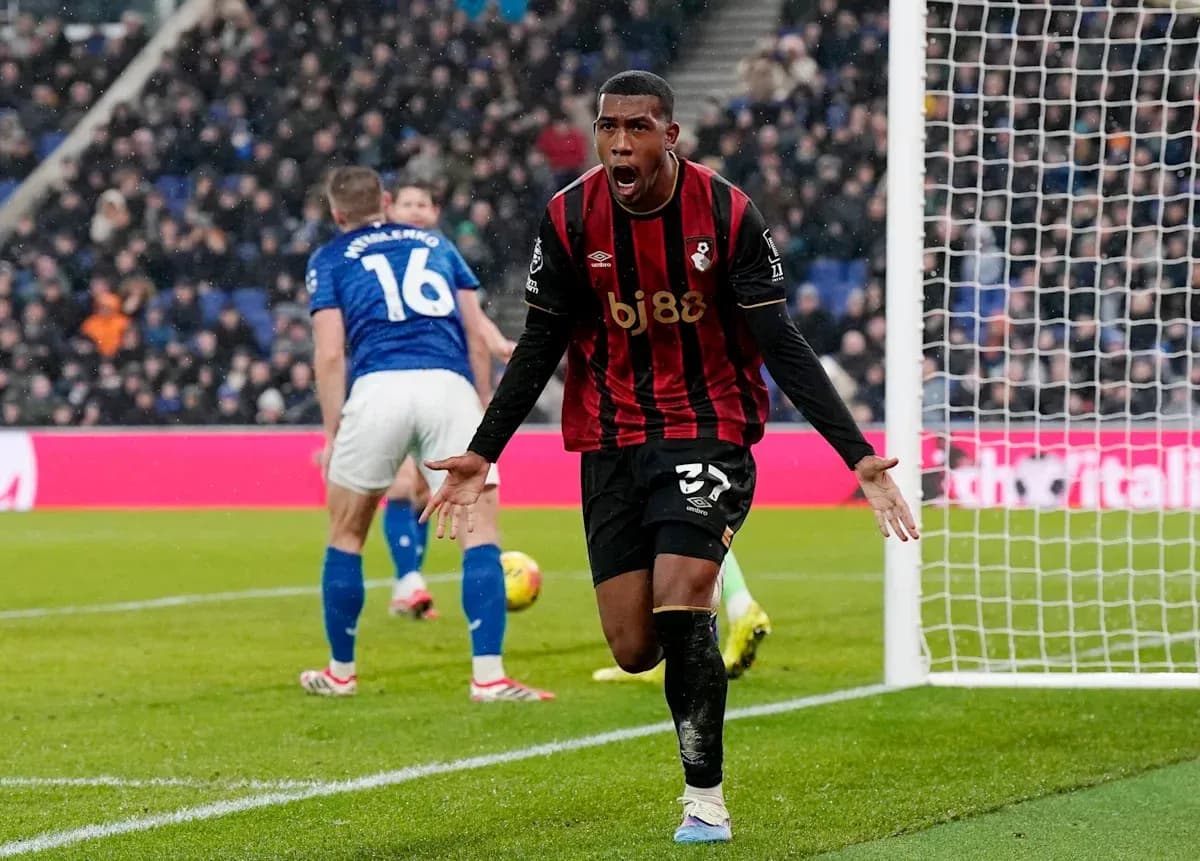
By Tuesday night, United had completed three transfers, including two midfielders, and the mood around the club’s recruitment had shifted from anxiety to something closer to quiet satisfaction. Andrey Santos arrived on Monday for £50million. Youri Tielemans followed 24 hours later for £35m. Two players, two very different profiles, one clear message: this is a club trying to act with calculation rather than panic.
The contrast with Tottenham’s move for Mateus Fernandes is stark. United wanted the West Ham midfielder after missing out on Elliot Anderson to Manchester City, but they drew a line. West Ham wanted £85m up front. Spurs paid it, and backed it up with a contract worth £250,000 per week.
United walked away.
Value over vanity
The numbers tell their own story. United have secured Santos and Tielemans for the same combined fee that Tottenham have committed to Fernandes alone. Whatever the Brazilian goes on to become, that equation is hard to argue with.
Fernandes has clear upside. His underlying metrics last season were not far off Anderson’s, which explains why United were in the conversation. Yet he also arrives with back-to-back relegations from the top flight on his record and, like Santos, remains a work in progress rather than a guaranteed Premier League heavyweight.
United’s calculation was simple: if you are going to take on that level of risk, you cannot also shatter your wage structure. Matching Spurs’ £250,000-a-week offer would have detonated the careful attempt to lower the dressing-room salary bill and reset internal benchmarks. This is a club still dealing with the after-effects of past indulgence; it cannot afford to repeat the Casemiro mistake, when missing out on Frenkie de Jong triggered a desperate splurge on a short-term fix.
The previous regime might have blinked. This one didn’t.
A new transfer doctrine
Inside Old Trafford, there is a growing belief that the market still holds value if you are disciplined enough to find it and ruthless enough to walk away when the numbers are wrong. This window has tested that theory. Missing out on Anderson, then on Fernandes, could easily have sparked a scramble.
Instead, United pivoted. Quickly.
Santos is not the polished article, but he arrives with high upside at a fee that leaves room for growth and error. Tielemans, by contrast, is the known quantity: almost eight years of Premier League football, one of the division’s most reliable midfield performers across that span, and a player Aston Villa were desperate to keep.
United’s hierarchy moved sharply after the Fernandes deal slipped away, closing agreements for both Santos and Tielemans in short order. It was the kind of joined-up response the club has too often lacked in recent years.
Lessons after Amorim
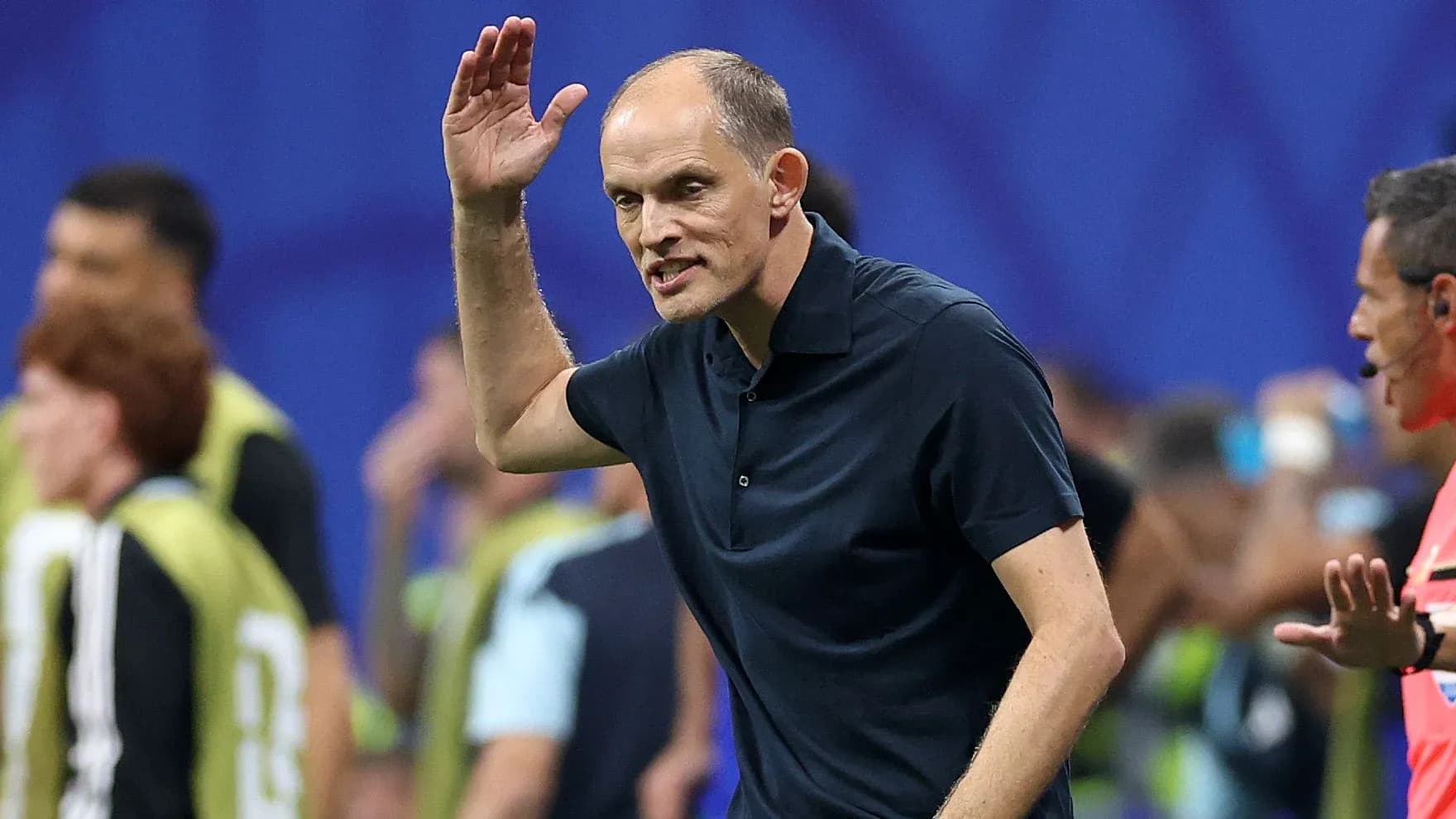
The backdrop to all this is a board still nursing bruises from the Ruben Amorim experiment. The Portuguese coach talked himself out of the job, with figures inside the club convinced he was actively engineering his exit, but the appointment had looked combustible from the outset.
Yes, Amorim took on the dressing room’s biggest egos and tried to reset the culture. The problem was everything else. In the Premier League he posted the worst win ratio of any United manager in history, conceded more goals per game than any of his predecessors, and produced the lowest clean-sheet rate the club has ever seen. Whatever credit he banked for his hard-line stance on personalities was drowned out by the numbers on the pitch.
The board deserved the criticism that followed. They had hired a stubborn coach who proved ill-suited to the league and the squad. Now, as the recruitment arm begins to show signs of evolution, they also deserve recognition when the big calls look right.
Santos and Tielemans feel like products of that learning curve.
Tielemans, the organiser
Of the two, Tielemans is the clearest statement. At 29, he is not a prospect; he is a pillar. Over the past few seasons, few players in the Premier League have been more involved in short-range combinations, repeatedly finding team-mates within tight spaces and knitting together phases of play. His passing range is broad, but it is his rhythm that stands out: the ability to take the sting out of a game or accelerate it with one touch.
Michael Carrick will relish that. United have lacked a midfielder who can both dictate and connect, someone comfortable receiving under pressure and turning it into progression rather than panic. Tielemans brings that, and he brings something else United badly need.
Leadership.
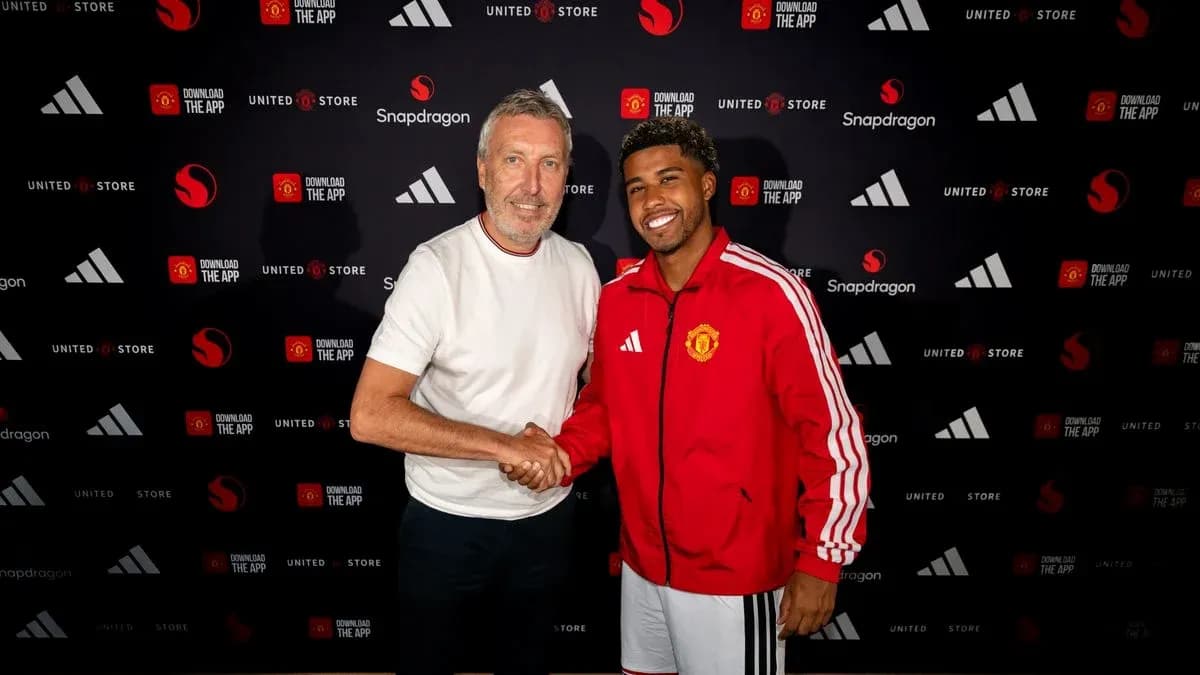
Jason Wilcox captured it neatly when the deal was announced. “Youri has consistently been one of the most outstanding midfielders in the Premier League,” he said. “He has all of the technical qualities, as well as the ambition and mentality, to thrive at United.” Wilcox also highlighted his authority in the dressing room. Tielemans captains Belgium and wore the armband in his final season at Leicester, a role that hardened his voice and presence.
With Casemiro gone, United lost not only a senior midfielder but a commanding figure in the dressing room. Tielemans will not replicate the Brazilian’s style, but he can help fill that leadership vacuum while offering a more sustainable on-pitch profile.
A window still in motion
No one at Old Trafford is pretending the job is done. United still want a third high-quality midfield addition and other areas of the squad need attention. This has been a challenging window, and it will remain so.
Yet the response to missing out on Fernandes has been telling. No public angst. No last-minute overpayment. Just a swift recalibration and two signings that, on paper, strengthen both the present and the medium-term future.
For once, Manchester United have resisted the urge to chase the loudest story in the market. The real test comes later: when Santos develops, when Tielemans steps into the spine of Carrick’s team, when Fernandes tries to justify Tottenham’s outlay.
Only then will we know whether this was merely smart business on paper, or the moment United’s transfer strategy truly grew up.