.svg&w=384&q=75 "Pitchgist logo")
Paolo Maldini Resigns as Italy's Technical Director
Paolo Maldini’s return to the heart of Italian football lasted just two weeks. It ended not with a quiet memo, but with a rupture.
Italy’s technical director walked away on Monday, joined by his advisor Leonardo, after a clash with CONI president Giovanni Malagò and the FIGC over who should lead the Azzurri from the bench.
At the centre of the storm: Andrea Pirlo, Roberto Mancini, Antonio Conte and Thiago Motta. Four big names, one fundamental question – who gets to decide the future of the national team?
A Short Reign, A Hard Line
Maldini had only just stepped back into the FIGC structure when the first battle arrived. He and Leonardo identified Pirlo as their man. The federation did not.
Malagò, wary of the political backlash surrounding Pirlo’s role as a brand ambassador for a Russian betting company, refused to approve the appointment. For Maldini and Leonardo, this was not a simple veto. It felt like a line crossed.
They saw it as interference in their technical autonomy, an intrusion into the very area they had been brought in to manage. Once that trust broke, the clock on their tenure started ticking down fast.
Conte, Mancini… and More Tension
Malagò pushed back with his own preferred options. If not Pirlo, then why not Conte? Why not Mancini?
A final meeting on Monday brought the tension into the open. Malagò urged Maldini and Leonardo to move away from Pirlo and look at other candidates, with Conte and Mancini at the top of the list. The response from the pair was firm, and it went beyond simple preference.
On Mancini, they raised a point that still stings in Italian football. The former Italy coach resigned in 2023 in the middle of the Euro 2024 qualifying campaign, then swiftly took over Saudi Arabia. For Maldini and Leonardo, that exit left scars. Appointing him again, they argued, would carry the same credibility and continuity concerns that critics had already attached to Pirlo.
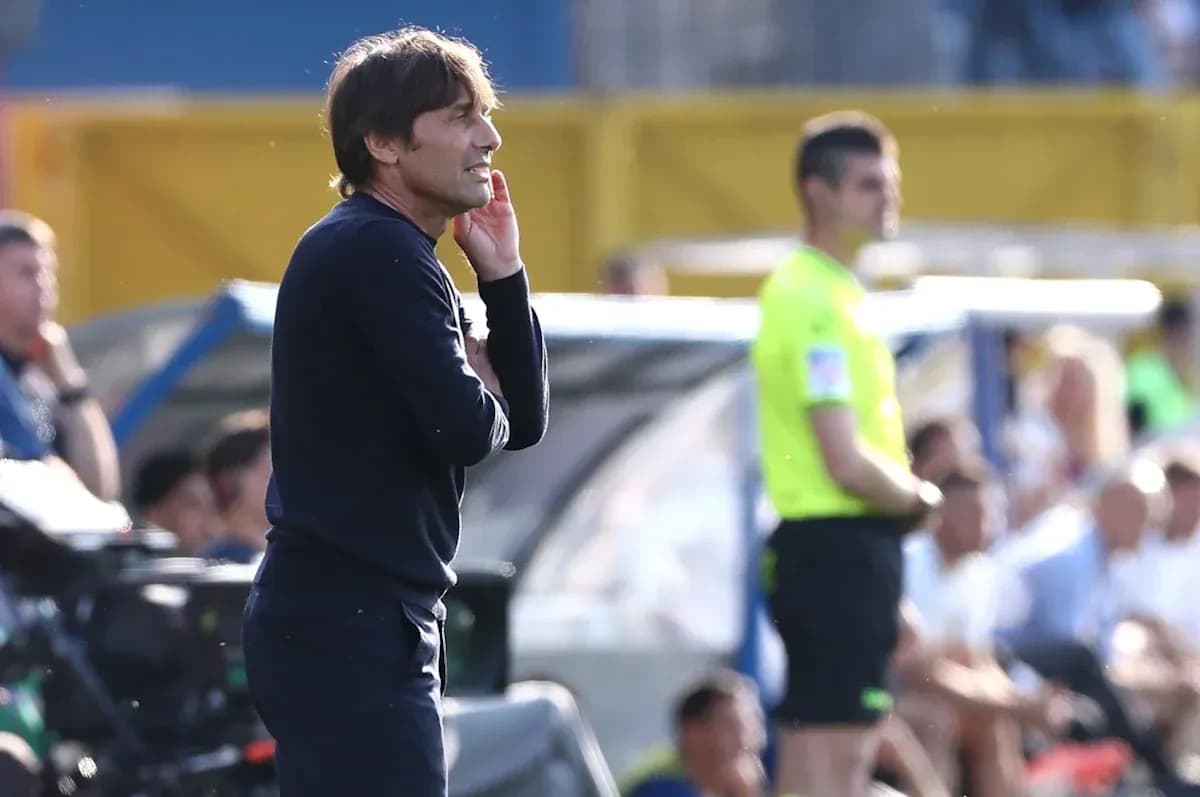
Conte, on the other hand, posed a different kind of risk. His track record is clear: intense, demanding, often brilliant, but rarely long-term. Maldini and Leonardo looked at the horizon – the 2030 World Cup, four years away – and saw a coach who historically changes clubs roughly every two seasons. For them, that volatility was a gamble too big for a project that needs stability.
The Thiago Motta Option That Went Nowhere
Trying to break the deadlock, Maldini and Leonardo put another name on the table: Thiago Motta, fresh from impressive work at Juventus and Bologna.
It was a move that made sense from a sporting perspective – a modern coach, tactically sharp, with Serie A pedigree. But Malagò also rejected that proposal, according to multiple reports.
With Pirlo blocked for political reasons, Mancini questioned for credibility, Conte doubted for longevity, and Motta dismissed, Maldini and Leonardo found themselves with the title of technical leaders but without the power to choose the most crucial figure in the sporting project.
A Power Struggle Laid Bare
By Monday, the situation was no longer about a single name on a shortlist. It had become a struggle over who truly runs the national team.
Maldini and Leonardo interpreted Malagò’s stance on Pirlo as an attempt to limit their authority. The subsequent push for Conte and Mancini only hardened that impression. When their alternative of Motta was also turned down, the message felt clear: the final word did not belong to them.
So they walked.
Their resignations leave Italy searching not only for a new head coach, but also for a coherent chain of command. Malagò is expected to confirm the new Italy boss as the FIGC Council meets at 12:00 CET (11:00 GMT). The choice he makes now will define more than just the dugout.
It will show whether this was a one-off clash of personalities – or the start of a deeper fracture in how Italian football wants to be governed on the road to 2030.