.svg&w=384&q=75 "Pitchgist logo")
Kobbie Mainoo's World Cup Struggles: A Talent in the Shadows
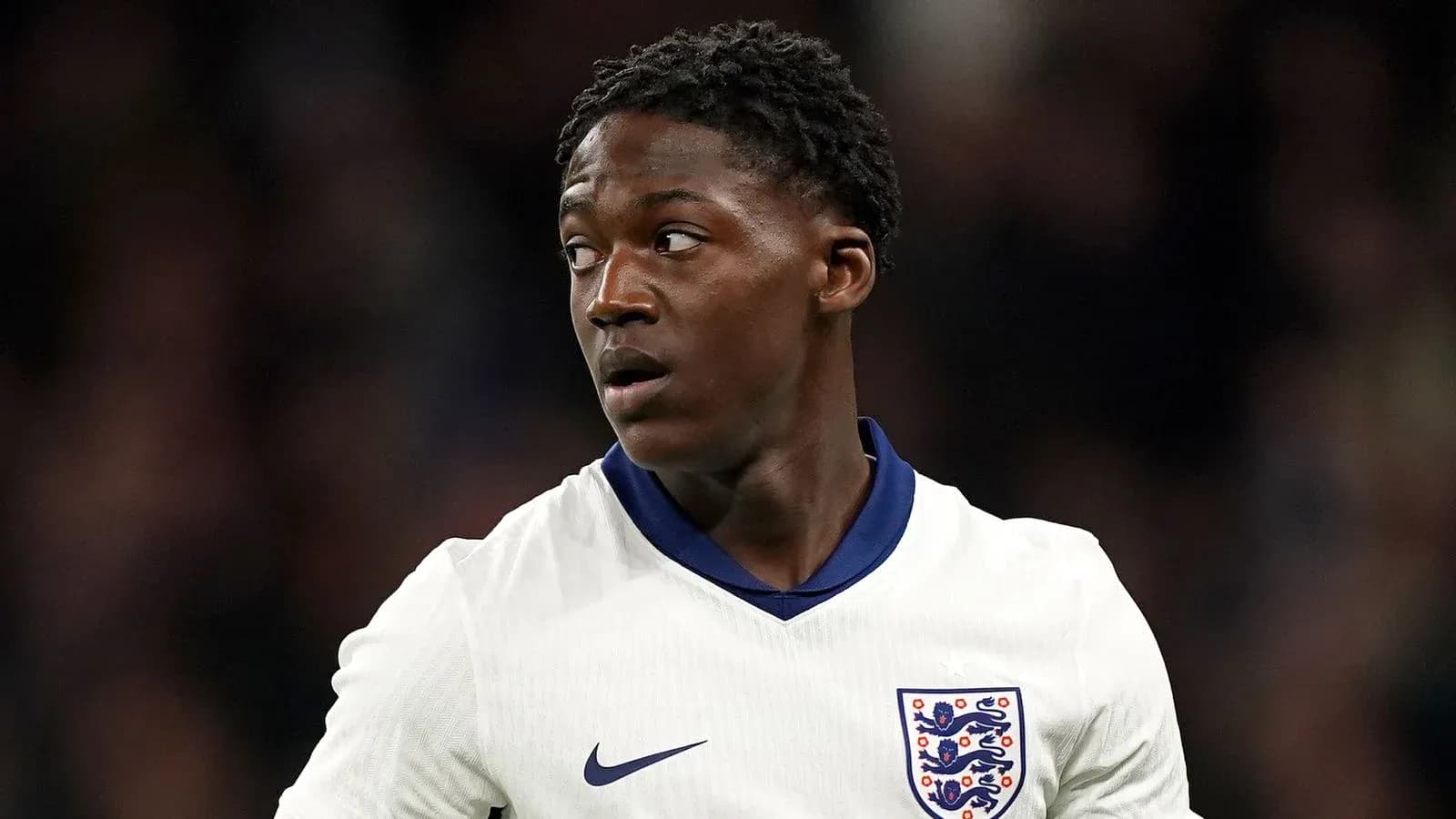
Kobbie Mainoo cuts a lonely figure at this World Cup.
While England march on towards a semi-final with Argentina, one of their most gifted young midfielders has barely kicked a ball in anger – in fact, he has not kicked one at all.
He is in a small, unwanted club. Of England’s outfield players, only three have not played a single minute: Mainoo, Ivan Toney and Trevoh Chalobah. The other two at least walked into camp knowing the script.
Chalobah arrived late, a replacement for the injured Tino Livramento, and always understood he was cover. John Stones has been the first defensive alternative, the man waiting in the wings whenever England have needed to shuffle the back line.
Toney’s role has been just as clearly defined. Thomas Tuchel labelled him a “finisher”, a specialist for particular moments, not a starter while Harry Kane is fit and firing. Kane has been exactly that: fully fit, ruthless, six goals already, and England have not needed a penalty shoot-out. No crisis, no Toney.
Mainoo’s situation feels different. It feels harsher.
For each of England’s six matches, he has been the first player out of the dressing room and the first onto the team bus. Every time, he has walked alone. No theatrics, no tantrums, no sulking – just a teenager who looks a little adrift on the biggest stage of his young career.
This is the same Manchester United midfielder who, at 18, started the Euro 2024 final. On that night, it was easy to see the future stretching out in front of him: a decade in an England midfield, major tournaments built around his calm and clarity on the ball.
That future may still arrive. But the present is brutal. In the heat of the USA and Mexico, he has not played a single minute.
The timing makes it sting even more. Jordan Henderson’s tournament ended the moment he broke his wrist in the celebrations after the Mexico game. A midfield place opened. The door creaked. Mainoo never got to step through.
Tuchel has turned instead to other options. Declan Rice and Elliot Anderson have become the heartbeat of this England team, the preferred pairing and, for the most part, the dominant one. Anderson’s mid-tournament move to Manchester City seems to have lifted him; his performance against Norway in the quarter-final was his most complete yet.
Rice, the vice-captain, is inked onto the team sheet whenever he can stand. He has pushed through illness and injury to stay on the pitch, refusing to give an inch.
Until Norway.
A vicious stomach bug in Mexico left Rice bedridden for three days before the quarter-final. In the Miami humidity he could manage only 45 minutes. If ever there was a moment for Mainoo, this looked like it.
Tuchel thought differently.
He turned to Eberechi Eze, wanting more attacking thrust, more passing between the lines, more risk. The Arsenal man came on to tilt the game forward, to add incision rather than control.
Mainoo could make a strong case that his own energy and range of passing would have been priceless as the temperature sapped his team-mates’ legs. Those are the moments when a fresh, technically sharp midfielder can change the rhythm of a contest. He stayed rooted to the bench.
Then came another twist. Midway through the second half, Reece James entered the fray in midfield, despite nursing a hamstring problem. Tuchel has long trusted him as a defensive midfield option, even though his listed role for England – as at Chelsea – is right-back.
When Ezri Konsa, filling in at right-back, cramped up and had to come off, the picture seemed to clear again. James dropped back into defence. Another midfield slot opened. Mainoo must have felt the chance finally arriving.
It never did. Morgan Rogers got the nod. Eze moved out to the left wing. Mainoo watched, again, as others stepped into the space he craved.
For a young player who has already tasted the sharp end of international football, that sequence will have cut deep. Yet Tuchel’s logic, in the context of the game and the stakes, is hard to dismiss. He leaned on players he trusts in multiple roles, men he believes can carry out specific instructions under pressure.
That is the cruelty of tournament football. It does not pause for sentiment or long-term planning. It rewards managers who chase the ultimate prize with ruthless clarity, even when it means one of the country’s brightest talents spends a World Cup living in the shadows.