.svg&w=384&q=75 "Pitchgist logo")
Ismaël Koné Out of World Cup After Surgery on Broken Leg
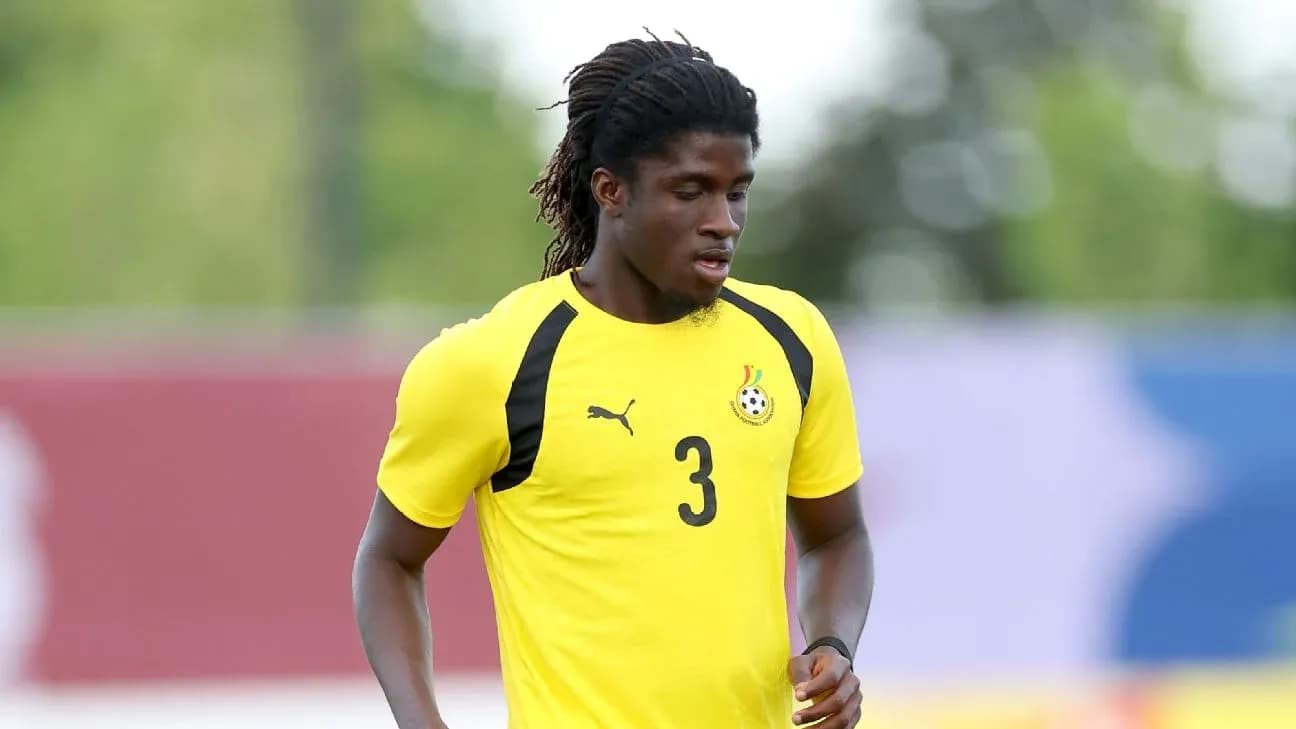
Ismaël Koné’s World Cup is over almost as soon as it caught fire.
The 24-year-old midfielder, one of the emotional pillars of Jesse Marsch’s new-look Canada, has undergone successful surgery on the fracture to his left leg suffered in the 6-0 dismantling of Qatar in Vancouver. Canada Soccer confirmed on Friday that Koné will miss the rest of the 2026 tournament but is expected to make a full recovery.
At BC Place, the night was supposed to be about history: Canada’s first World Cup win on home soil, a six-goal statement, a team suddenly looking like it belongs on this stage. Instead, it turned in an instant.
A brutal moment in a landmark win
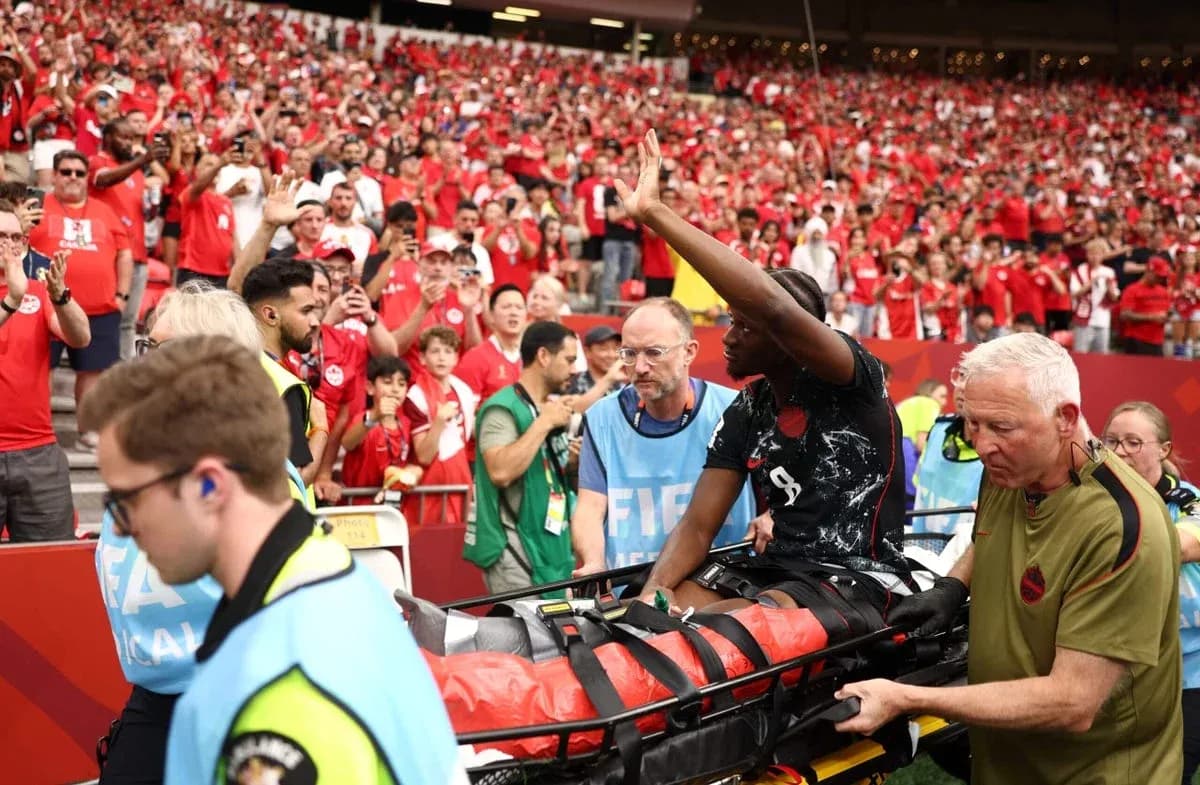
The incident came in the 51st minute, with Canada already cruising at 3-0 and Qatar down to 10 men. Koné took a pass near the touchline in front of the Canada bench, opening his body to roll away from pressure. Qatar midfielder Assim Madibo arrived late, from behind, and caught Koné’s lower left leg.
The sound told its own story.
“You could hear the bone snap,” Marsch said after the game. Koné crumpled to the turf, clutching his leg, as teammates and staff immediately waved for medical help. Tempers flared. Canada full-back Richie Laryea went straight to Madibo, and players from both sides squared up as Koné received treatment just a few feet away.
Madibo was initially shown a yellow card, but after a VAR review, the challenge was upgraded to a red. Qatar, already reeling from Homam Al-Amin’s 33rd-minute dismissal for denying an obvious goalscoring opportunity on Tajon Buchanan, were reduced to nine men.
The scoreboard kept ticking. The cost for Canada was far higher.
Surgery, spirits and swift intervention
Koné was taken to hospital in Vancouver, where a team of three surgeons operated on Thursday night.
“Last night, Ismaël Koné underwent successful surgery to repair a lower limb fracture,” read a Canada Soccer statement. “He is expected to make a full recovery but will miss the remainder of FIFA World Cup 2026.”
By the time Marsch reached him, Koné was already being prepared for the operation.
“By the time we got to him, he’d already had some drugs to help sedate him a little bit,” Marsch said. “He was being prepared to go into the operation room. But he was in really good spirits and he was adamant that he’s going to be fine.”
The Canada coach detailed how quickly the medical response moved once the severity of the injury became clear.
“(The surgery) took about an hour and a half and they had three surgeons. I think what happened is the surgeons watched it on TV and they saw what happened and they knew right away. And so they brought their top three surgeons to the hospital immediately to take care of him.
“So by the time he got there, the surgeons were there and they were ready. And then we just had to communicate with our medical team and make sure that the surgery was the best option that we thought. But I could see by meeting them and hearing what they had to say about the situation that he was in really good hands. So the surgery they said went really well.”
Koné’s club, Sassuolo, echoed that assessment on Friday.
“The operation to repair the fracture in his left leg was a complete success. The player will begin his rehabilitation programme in the coming days. The whole club sends Ismaël their best wishes for a speedy recovery.”
Marsch, visibly shaken by the nature of the injury, stopped short of blaming Madibo for intent.
“I don’t think he (Madibo) meant such a gruesome situation. I don’t fault him for that,” he said. “Your heart goes out to him. Everybody’s shaken for him.”
No replacement, no like-for-like
World Cup regulations add a ruthless edge to Canada’s loss. Marsch cannot call up another outfield player to replace Koné; any such move had to be made 24 hours before Canada’s opening match. The squad is locked. The gap in midfield is not.
Koné had started both of Canada’s group games, giving Marsch a rare blend of power, directness and technique between the lines. The coach admitted there is no straight swap.
He said Koné “can do things that no other player can do.”
The first response came on the pitch. Nathan Saliba replaced Koné against Qatar and, around 10 minutes later, hammered in Canada’s fourth. His celebration said everything: he lifted Koné’s No 8 shirt above his head, holding it to the night sky as teammates swarmed him.
Saliba, 22, is expected to be the direct replacement in the XI. Close friends off the pitch, the pair share a similar willingness to drive forward and break lines. Saliba can bring the same vertical threat, the same urgency with the ball.
But the tactical adjustment will run deeper than one name on a teamsheet. Niko Sigur, often used at full-back for Canada, is likely to step inside more regularly, offering creativity and control in central areas to offset Koné’s absence. Canada will need those extra touches of composure when the games tighten.
Canada move on, without their midfield heartbeat
All this comes against the backdrop of a team in form. Canada’s 6-0 win over Qatar was not just emphatic; it was authoritative. They pressed, they ran, they punished. They looked like a side that believes it can stay in this tournament for a while.
Now they must do it without one of their most influential players.
Canada face Switzerland on Wednesday, knowing a draw will be enough to secure top spot in Group B. The stakes are clear. So is the emotional undercurrent.
Koné will not kick another ball at this World Cup, but his absence will shape how Canada play, how they respond, and how far they can go. The team that walked off to a roar at BC Place did so with a reminder that tournaments can turn on a single tackle.
The question now is whether Canada can turn that pain into the kind of resilience that defines a World Cup run.