.svg&w=384&q=75 "Pitchgist logo")
FIFA Eases World Cup Bottle Ban for 2026 Tournament
FIFA has rowed back on its controversial World Cup water policy, allowing fans to bring a single disposable plastic bottle into stadiums at the 2026 tournament in the USA and Canada after a fierce backlash over safety and affordability.
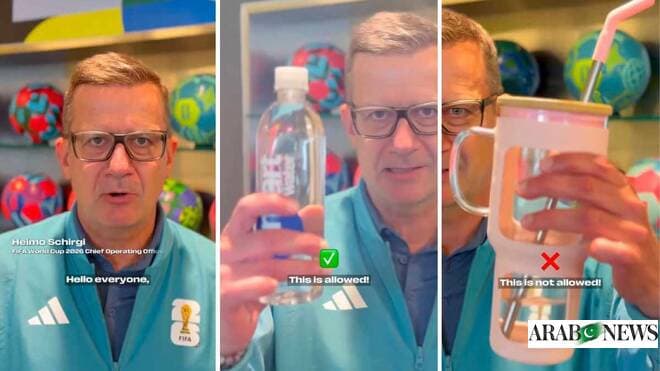
The governing body confirmed on Friday that supporters will be able to enter venues with one “soft, plastic” factory-sealed water bottle of up to 20 ounces (590ml). The update came via World Cup chief operating officer Heimo Schirgi in a video posted on FIFA’s X account, described pointedly as a “clarification” rather than a U-turn.
Two days earlier, FIFA had updated its stadium code of conduct to ban all refillable bottles, a move that would have forced fans to rely entirely on paid bottled water inside arenas. The reaction was swift and hostile, with critics accusing organizers of ignoring both the cost to supporters and the growing concerns over extreme heat at several host cities.
FIFA initially defended the ban on safety grounds, saying outside bottles posed a risk of injury to players and spectators. Many of the World Cup venues already prohibit external bottles for domestic events, and FIFA said it was simply applying that standard across its tournament.
Those safety concerns, Schirgi stressed, have not gone away. Hard-sided, reusable water bottles remain barred. In the video, he held up examples of which bottles would make it through security and which would not, underlining that only soft, disposable plastic will pass the checks.
The timing of the controversy could hardly be worse for organizers. Meteorologists and climate researchers have warned that fans at open-air venues could face dangerous heat levels during the 2026 World Cup, which will be staged across the United States, Canada and Mexico.
A report from the World Weather Attribution research group last month estimated that 26 of the tournament’s 104 matches are likely to be played in conditions where the Wet Bulb Global Temperature (WBGT) exceeds 26 degrees. WBGT blends temperature, humidity, wind and sunlight into a single measure of heat stress on the human body, and readings above that threshold raise red flags for health officials.
Supporters have already had a taste of what that might feel like. At last year’s FIFA Club World Cup in the United States, fans complained of searing heat while being prevented from bringing their own water into stadiums. That experience lingered in the memory and sharpened criticism when the 2026 bottle ban surfaced.
FIFA has tried to counter those fears by pointing to a suite of cooling measures planned for the tournament. The organization says misting stations, fans, hydration stations and cooling tents will be set up in what it calls “the stadium footprint,” offering shade and relief before and after matches and in concourse areas.
Inside the venues, bottled water will be on sale at prices FIFA insists will “remain consistent with other events held at each stadium.” That line will now face its own scrutiny, with supporters’ groups likely to monitor whether host venues keep prices in check once the tournament begins.
For now, fans have won at least a partial victory: one soft, sealed bottle in hand as they pass through the turnstiles. The bigger question is whether that concession, alongside cooling zones and paid water, will be enough when the heat of a North American summer collides with the biggest tournament in world football.