.svg&w=384&q=75 "Pitchgist logo")
Curaçao's World Cup Journey: Joshua Brenet's Redemption
On Sunday night in Germany, Curaçao will walk into a World Cup with a squad that tells a familiar story of migration and identity. Only one of their 26 players was actually born on the island. He is not their captain, not their oldest head, but he might be their most recognisable face: Tahith Chong.
The Caribbean nation remains part of the Kingdom of the Netherlands, and for decades its people have moved to Dutch cities in search of work, education, and opportunity. Their children and grandchildren now form the spine of a national team that only received FIFA recognition in 2010, yet already looks and plays like a side shaped in European academies.
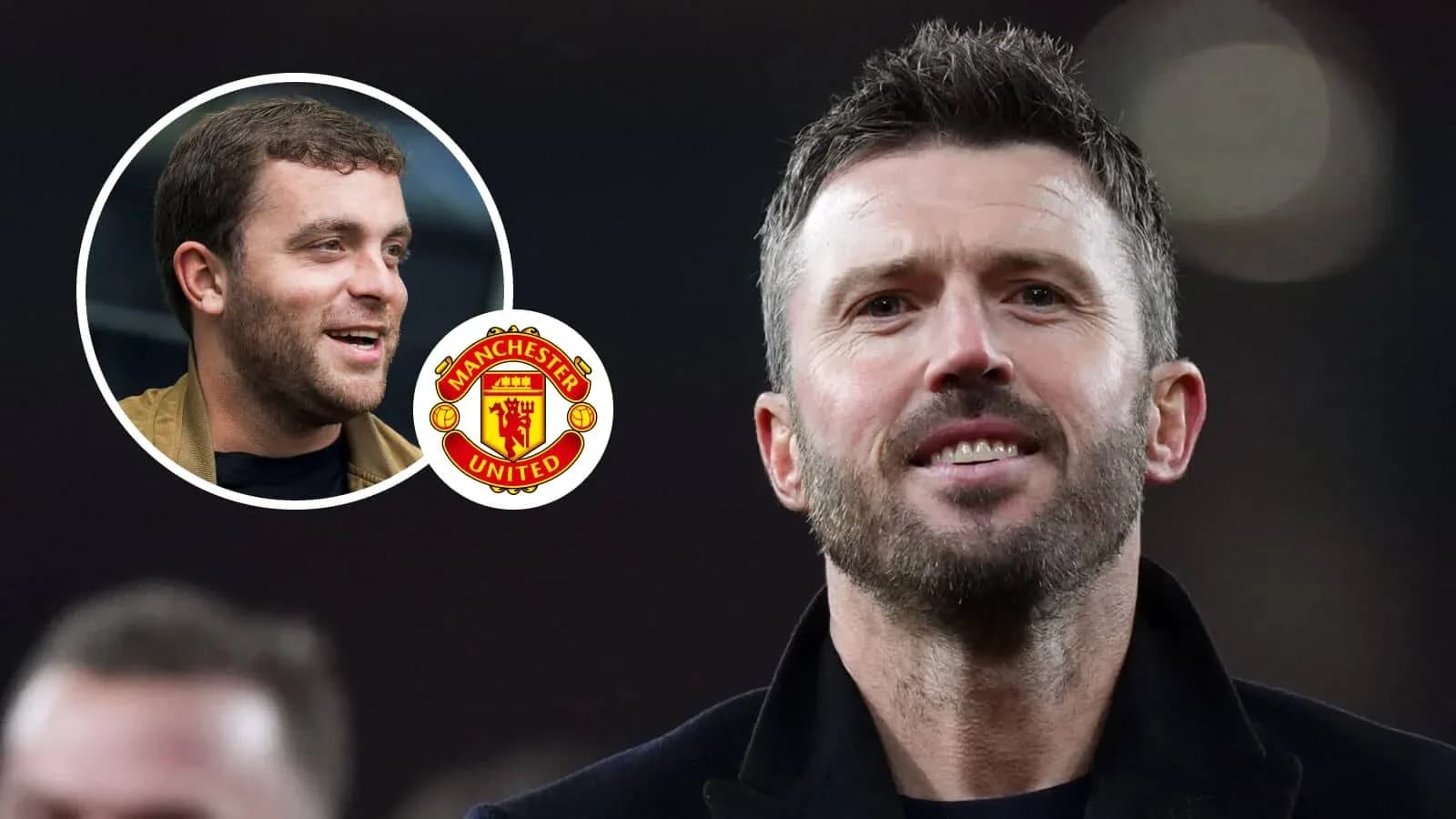
Chong is the emblem of that path. Once tipped as a future star at Manchester United, the wiry winger broke into the first team and collected 16 competitive appearances. It never quite became the Old Trafford fairy tale. A six‑month loan to Werder Bremen in 2021 stalled rather than accelerated his rise, and he has since rebuilt his career step by step, now at Sheffield United. He is far from alone in knowing German football first-hand.
Curaçao’s squad carries a striking Bundesliga imprint. Six players have worn German club colours at some point: Chong at Bremen, Gervane Kastaneer at 1. FC Kaiserslautern, Riechedly Bazoer at VfL Wolfsburg, Roshon van Eijma at Preußen Münster, and both Jürgen Locadia and Joshua Brenet at TSG Hoffenheim. For one of them, the route back to Germany on Sunday is laced with unfinished business.
Brenet’s long road back
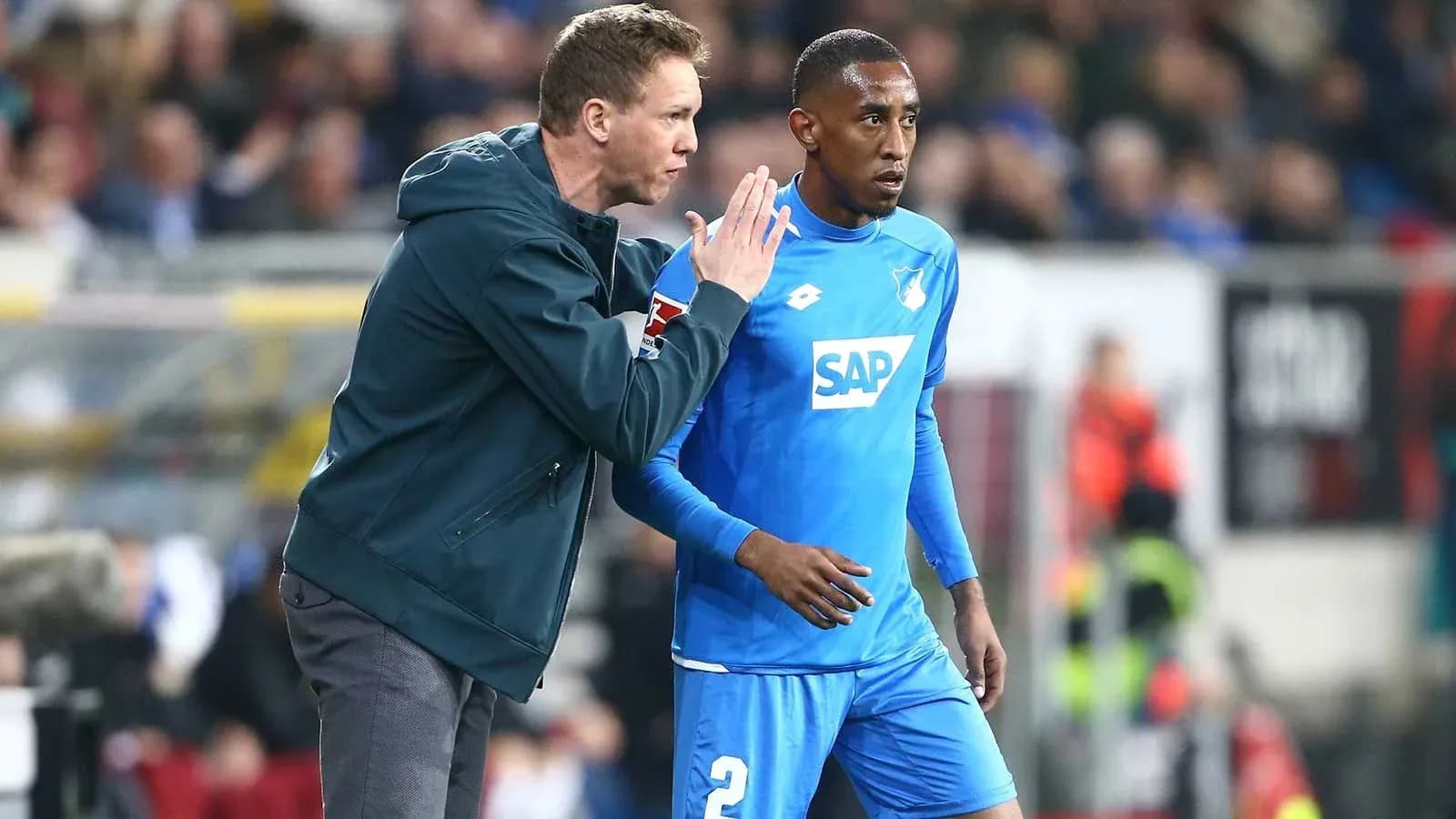
Joshua Brenet once looked like a model of the Dutch development system. A three‑time Eredivisie champion with PSV Eindhoven, he earned two caps for the Netherlands and, in 2018, a €3.5 million move to Hoffenheim. Julian Nagelsmann, then the rising star of German coaching and now in charge of the national team, had pushed for the deal. Right-back, athletic, attacking, international pedigree: it all made sense on paper.
Reality bit quickly.
Brenet began his Bundesliga career on the bench, waiting for a run that never truly came. The turning point arrived not on the pitch but in a meeting room. Before Hoffenheim’s first ever Champions League match, against Shakhtar Donetsk, he skipped a video session. Nagelsmann’s response was immediate: Brenet was dropped from the squad.
He did return, but only in flashes. Cameos, not trust. When Nagelsmann left, his successor Alfred Schreuder – now Nagelsmann’s assistant with Germany – froze Brenet out completely. Under Sebastian Hoeneß, the slide accelerated. The former Netherlands international found himself demoted to Hoffenheim’s reserves in the fourth‑tier Regionalliga Südwest, his name more often associated with disciplinary problems than overlapping runs.
Chronic lateness and repeated issues off the field made him a difficult sell. Hoffenheim searched for a buyer and found none. Only in 2022, when his contract expired, did he finally move on, heading back to the Netherlands with a free transfer to Twente Enschede.
On the pitch, he began to look like a top‑flight full-back again. Off it, he sabotaged himself.
In January 2023, police caught him driving without a licence twice in two weeks. He had already lost that licence in 2020 after a drink‑driving offence. The court’s patience snapped. “He clearly has no regard for authority. It seems to me as though he is continuing to play football after receiving a red card,” the presiding judge said, before handing down a one‑month prison sentence in 2024. Three years earlier, Brenet had already received a suspended sentence, a fine and community service for domestic violence.
The prison term for driving without a licence was later converted to community service on appeal, but the damage at club level was done. Twente terminated his contract.
From courtrooms to the World Cup stage
Brenet’s career lurched again, this time far from Europe’s spotlight. He joined Al‑Rayyan in Qatar, where he managed just six appearances in the 2024/25 season. Then came a short stint at Livingston FC in Scotland, followed by a move to Kayserispor in Turkey for the second half of the campaign. A journeyman’s map, drawn by missteps as much as by talent.
Yet here he is, back in the glare, wearing Curaçao’s colours at a World Cup.
Despite his history with Oranje’s youth teams and a senior debut in the 2016 World Cup qualifiers, FIFA granted Brenet a switch of allegiance to the country of his parents. For Curaçao, it was a significant gain: an experienced defender with Champions League and international minutes in his legs, still only 32.
Since making his debut for the island in 2024, he has scored six goals in 17 appearances – a remarkable return for a right-back. In their final warm‑up match against Aruba, he started on the right side of defence and found the net again, a reminder of the attacking threat that once enticed Nagelsmann to sign him.
On Sunday at 7 pm, Brenet will stand in the tunnel opposite Germany. On the other side: Nagelsmann and Schreuder, the coaches who once dropped him, sidelined him, and eventually watched his Hoffenheim career collapse. Now they face him not as a troubled squad player but as a key figure for a World Cup underdog.
Curaçao’s story is bound up with the Netherlands, its diaspora, and the long shadows of colonial history. Brenet’s story is messier, more personal: a career veering between promise and self‑inflicted chaos, between top‑level football and courtrooms.
The World Cup does not wipe that slate clean. It does something else. It offers a stage, one more chance, and a question that will hang over Sunday night: when the whistle blows against Germany, which version of Joshua Brenet will the world see?