.svg&w=384&q=75 "Pitchgist logo")
Cristiano Ronaldo's Future in Portuguese Football: What Lies Ahead?
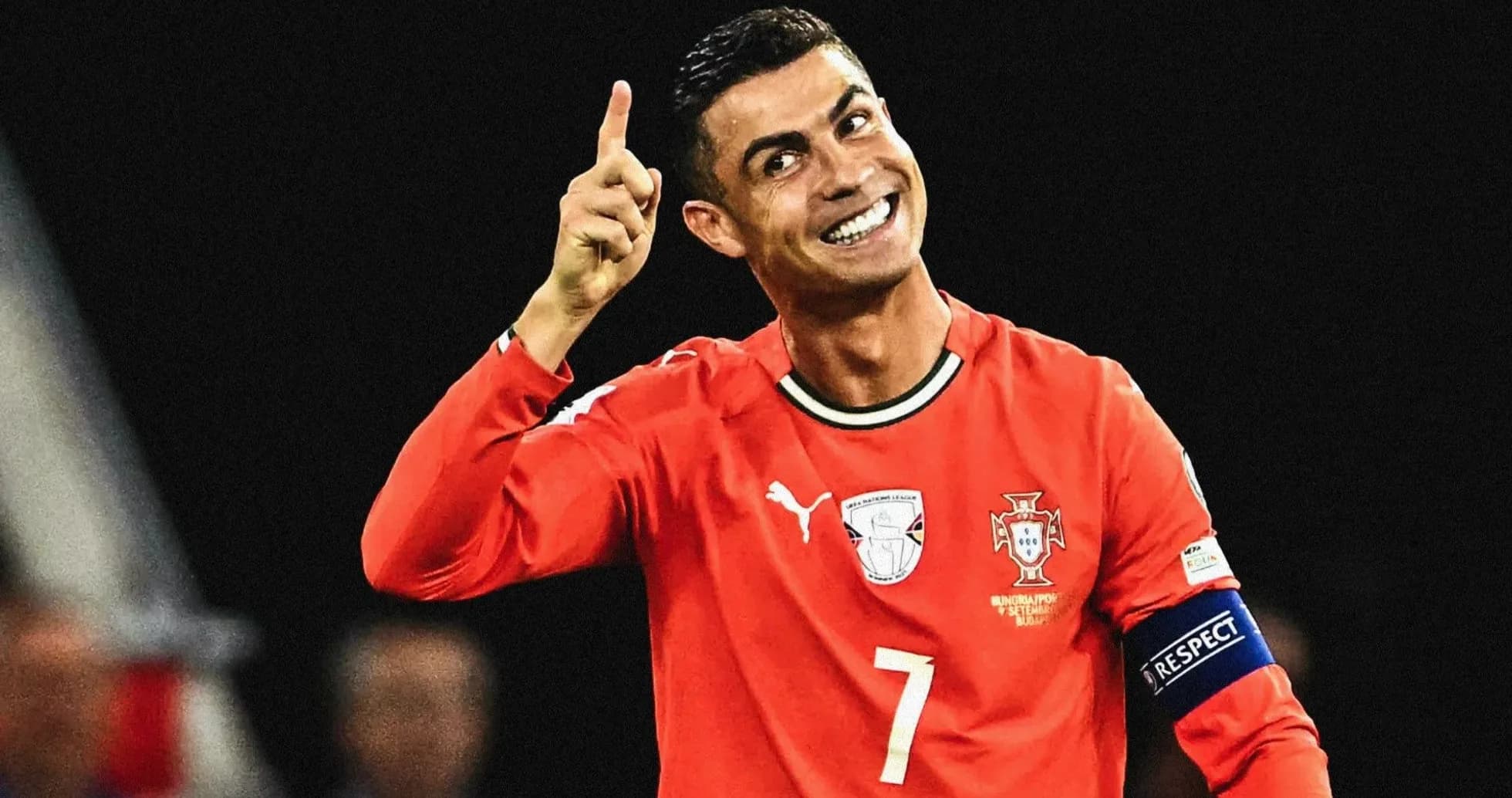
As Portugal edges toward co‑hosting the 2030 World Cup, one question keeps circling back: will Cristiano Ronaldo still be on the pitch?
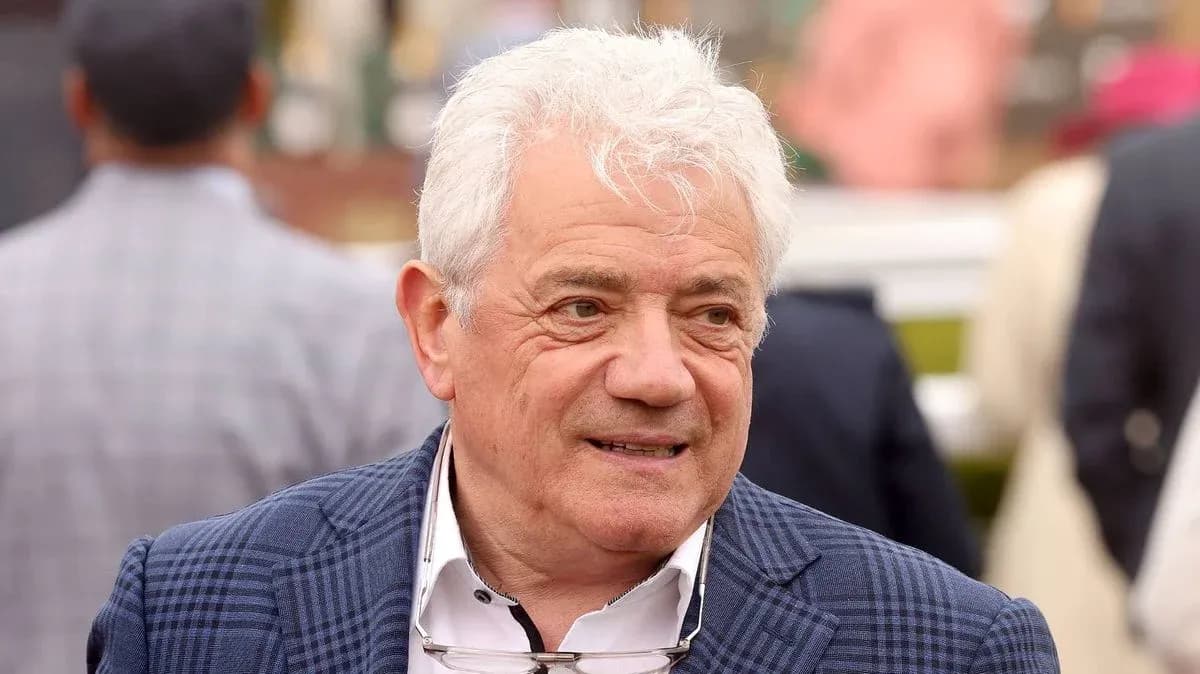
For Fernando Gomes’ successor at the Portuguese Football Federation (FPF), Pedro Proença, the answer is rooted less in romance and more in biology. Speaking at the Bola Branca Conference, the FPF president cut through the nostalgia and set out a blunt reality. A 45-year-old Ronaldo at a World Cup would be a miracle of physiology.
“I'll say that, physiologically, a huge surprise would have to happen for him to be in another World Cup,” Proença said, framing the prospect as something beyond even Ronaldo’s famously obsessive conditioning.
The European Championship is a different conversation. That, Proença stressed, will come down to the coach in charge at the time, Ronaldo’s form, and a range of technical considerations that cannot be forecast from this distance. Selection, he insisted, will remain a meritocracy.
“With absolute certainty, and I'm fully aware of this, those who are the best players at the time will be in the national team,” he said. The message was clear: no sentiment, no ceremonial caps. Performance first.
Yet even as he drew a line under the idea of a never-ending playing career, Proença made one thing unmistakable. Ronaldo may one day stop playing for Portugal. He will never stop being part of it.
“Cristiano Ronaldo will always be inextricably linked to the national team, to the federation,” Proença stated, before going further. The FPF brand and the national team’s global image, he argued, are now “intertwined” with the Ronaldo name. The federation’s modern identity has been built, in part, on the back of one extraordinary career.
That is why, when the boots finally go on the shelf, the door at the FPF will swing wide open for him.
“Cristiano Ronaldo will be whatever he wants to be in Portuguese football. I dare say that,” Proença declared. He described Ronaldo as an “absolutely extraordinary case” – not just in terms of notoriety and marketing power, but as a unique example of talent development in the country’s football history.
In other words, if Ronaldo wants a role – ambassador, technical voice, strategic figurehead – he will choose the job, not the other way around. “Cristiano will be whatever he wants to be in Portugal and in world football,” Proença added, framing the next chapter as a joint decision: where Ronaldo feels happy, and where he can help Portuguese football maintain its current standing.
For supporters, the idea of a Portugal side without their greatest-ever player still feels unsettling. Two decades of dependency do not vanish overnight. Yet inside the federation, the transition is being treated not as an existential crisis, but as an inevitable phase.
“I say that you prepare yourself not by dramatizing it,” Proença explained. Ronaldo, he reminded everyone, is “inextricably linked, not to the federation, but to the country of Portugal.” That bond does not disappear with his last cap.
Behind the scenes, the FPF has been reshaping its financial model to ensure the national team’s future is not tied to a single superstar or a small group of sponsors. Proença stressed that the federation has long been working to secure revenues so that qualification bonuses, sponsorship cycles, and broadcast deals are not overly reliant on Ronaldo’s presence on the team sheet.
That does not mean his name has lost its pull. Far from it. Proença openly admitted that Ronaldo remains a magnet for commercial partners, one of the most powerful marketing tools in global sport. But he pushed back against the idea that Portugal’s balance sheet lives or dies with its captain.
“Well, we certainly know how important Cristiano is,” he said. “I have to be honest and sincere, there's an appetite to propose contracts to the Portuguese Football Federation both with and without Cristiano.”
According to Proença, the FPF’s operating revenues are already secured for the period that will inevitably follow Ronaldo’s farewell. The “cycle that will naturally and normally occur,” as he described it, has been anticipated rather than feared.
Portugal, then, is bracing for a future where Ronaldo may no longer decide games on the pitch – but will still shape the direction of the sport in the country. The legend is edging toward a different role. The question now is not whether he will stay involved, but which throne he chooses to sit on.