.svg&w=384&q=75 "Pitchgist logo")
Craig Gordon: A Legendary Career Comes to an End
Craig Gordon spent a quarter of a century refusing to be beaten. On crosses, on one‑on‑ones, on the operating table. Now, at 43, one of Scottish football’s great survivors has decided enough is enough.
The Hearts and Scotland goalkeeper has retired after a 25-year professional career that stretched from the early days of the millennium to the modern game of VAR, data and high‑pressing systems. Through it all, Gordon remained gloriously old‑fashioned in one respect: he just kept saving the ball.
From Gorgie dreamer to record-breaker
Gordon made his professional debut in 2001 and went on to amass more than 760 appearances across Hearts, Celtic, Sunderland, Cowdenbeath and Scotland. The numbers are heavy, but the story behind them is heavier still.
His first Scotland cap arrived in 2004. By the end, he had 84 of them and a place on the Scottish FA’s international roll of honour. For a boy who grew up wanting nothing more than to play for Heart of Midlothian and his country, that alone would have been enough to frame a career.
It never stopped there. In 2005/06 he lifted the Scottish Cup with Hearts, the first of 15 major honours. A year later, at just 24, he was inducted into the Hearts hall of fame – the youngest player ever to be given that status. Clubs tend not to hand out that kind of recognition lightly. They saw what was coming.
Then came the move that underlined his standing beyond Scotland. Sunderland paid £9m for him in 2007, a British record fee for a goalkeeper at the time. It was a statement: a Scottish No 1 valued at a level usually reserved for star forwards.
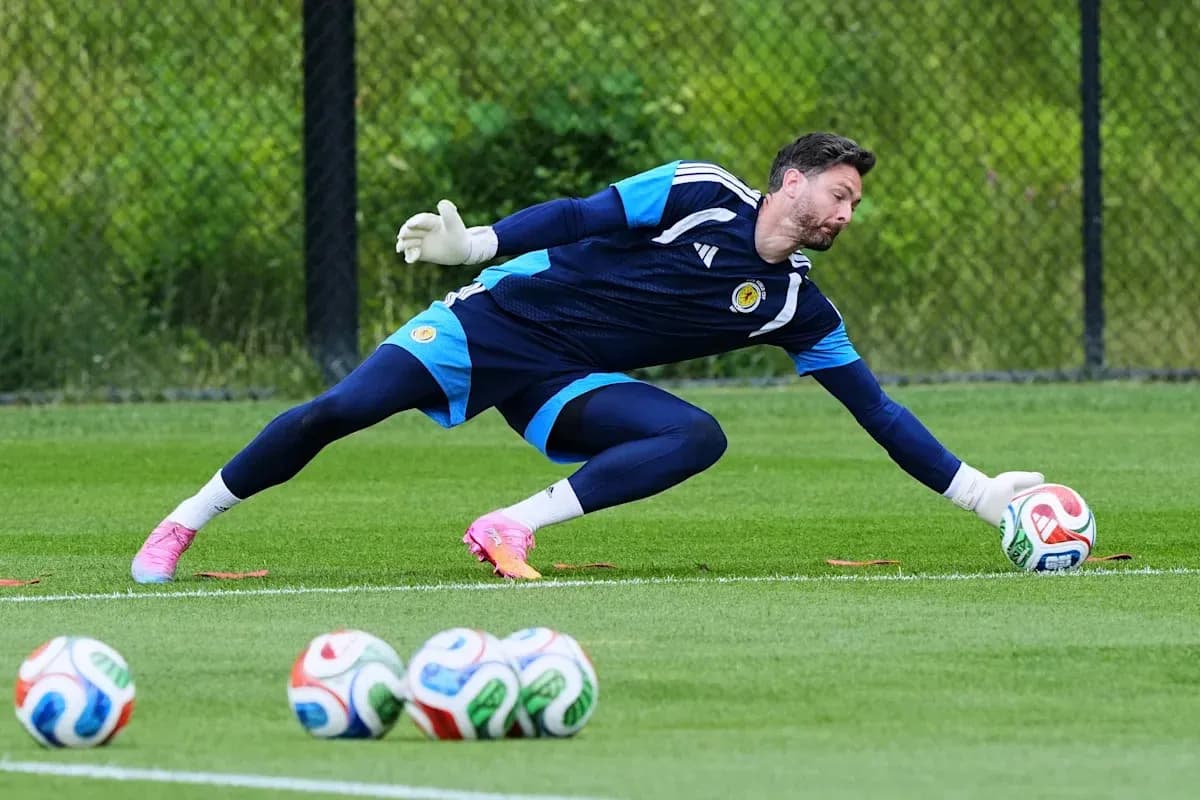
In 2010, he produced the save that would follow him everywhere. Against Bolton, he twisted, sprang and clawed the ball away in a moment that would later be crowned the best save in Premier League history. One reflex, frozen in time, that distilled the essence of his talent.
The body breaks, the will refuses
For all the medals and accolades, Gordon’s career is just as much about what he endured.
Ankle problems. Broken arms. Knee surgery. The catalogue of injuries gradually eroded his time at Sunderland and eventually forced him out of the game. At one stage, he could not walk without pain. For a goalkeeper who relied on explosive movement, it felt like a brutal full stop.
It wasn’t. He disappeared from the pitch for roughly two years, moved into coaching, and fought a condition that threatened to end his career for good from 2012. While others his age were settling into their thirties as established pros, Gordon was rehabbing in the shadows, wondering if he had already played his last match.
The answer came in green and white.
Celtic took a chance on him. He rewarded them with a haul that would define an era: six Premiership titles, five League Cups, three Scottish Cups. He became the calm presence behind some of the most dominant domestic sides Scottish football has seen. The player who once feared he might never dive again was suddenly back on the biggest stages, week after week.
Home again, and one more fight
When his time at Celtic Park ended, the story circled back to where it began. Gordon returned to Hearts, older, wiser, still fiercely competitive. He didn’t come home to wind down. He came home to perform.
He did exactly that until Christmas Eve 2022, when disaster struck again. A horrific double leg break left his future in doubt for a second time. For most players, that would have been the end. At his age, with his injury history, few would have questioned a quiet retirement.
Instead, Gordon went back into surgery, back into rehab, back into the grind. And once more, he came out the other side. He returned for Hearts, returned for Scotland, and even at 43 remained part of the national squad, a veteran still trusted in the most demanding environment.
He played his role in Hearts’ title push last season, a campaign that went to the final day of the Premiership. He stood again in a Scotland squad at a World Cup at an age when most keepers are long since on the punditry circuit.
“Now the gloves are finally off”
After all of that, the announcement arrived with the understated dignity that has always marked his public persona.
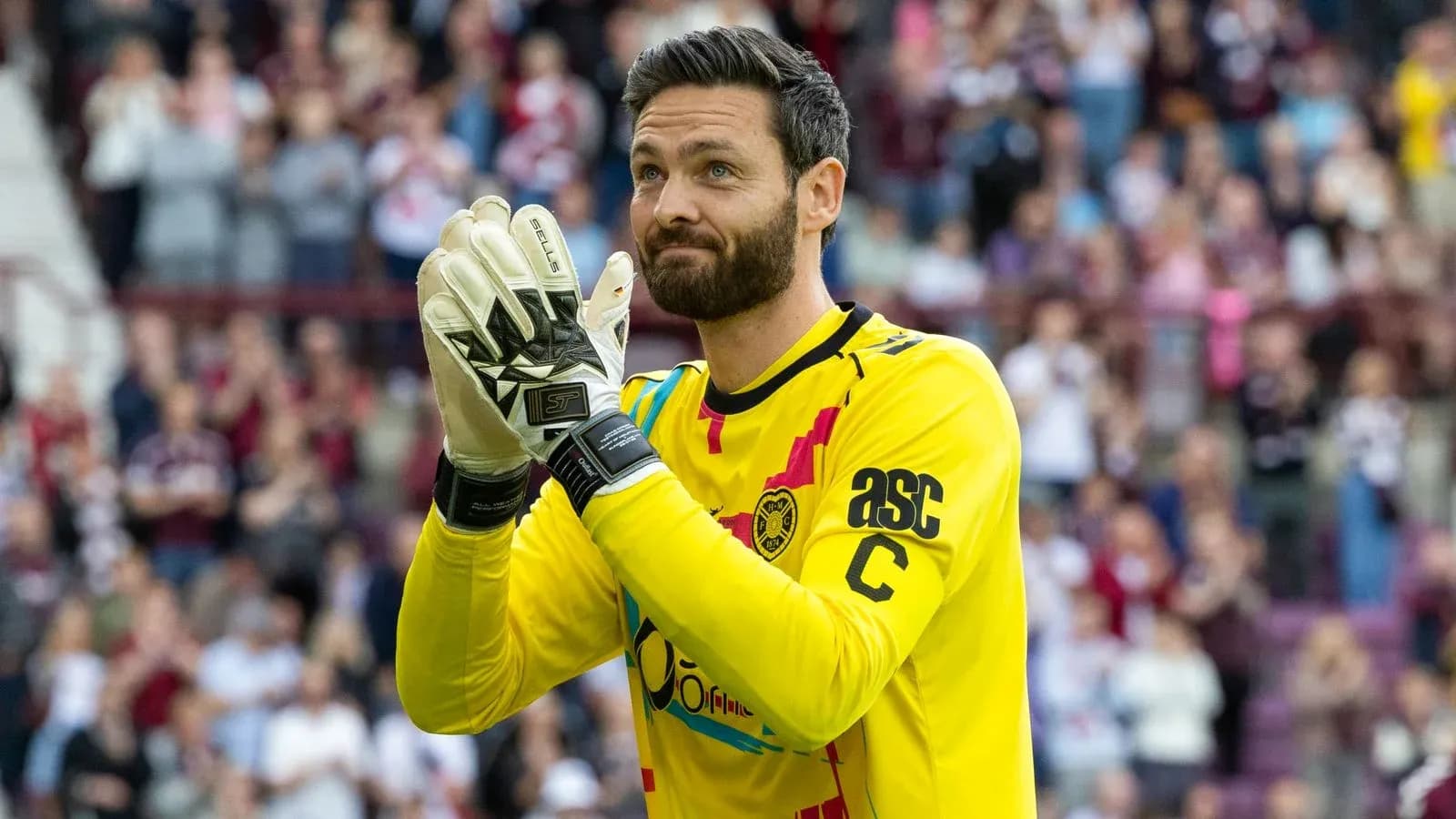
“I’ve never wanted it to end, but end it must,” Gordon said in a video released by Hearts. “I have lived my dreams and for that, I’m so thankful.”
The dreams were simple ones, the kind that fill school playgrounds and bedroom walls. “Play for my club and my country. Heart of Midlothian and Scotland,” he said. Improbable? Maybe. For him, never impossible.
He spoke of hard work, sacrifices, setbacks; of going from supporting Hearts to playing for them; of the pressure to make his family and the fans proud. He even allowed himself a wry smile about his 84 renditions of the national anthem and how they improved his singing.
He thanked team-mates and coaches for driving him, opponents for pushing him, medical staff for piecing him back together, loved ones for standing beside him. Then came the line that closed the chapter.
“Now the gloves are finally off and I bid farewell to my playing career. You, the fans, have given me everything, and it has been a privilege to represent you. I hope you’ve enjoyed it as much as I have. From the bottom of my heart, thank you.”
A boyhood fan who became a hall‑of‑famer. A record signing who became a symbol of resilience. A goalkeeper who walked away only after proving, again and again, that he could come back.
Scottish football will find another No 1. It will wait a long time to find another story like Craig Gordon’s.