.svg&w=384&q=75 "Pitchgist logo")
Champions League Qualification and Emotional Farewells
The final whistle had barely settled when the mood around the club turned from relief to reflection. A season that lurched from high to low, from hope to frustration, ended with one clear, unarguable line in the table: Champions League football secured.
“It’s been up and down. Of course it has,” came the verdict. Important games won, damaging games lost, a campaign that never quite found a steady rhythm. But the punchline mattered more than the plot. They are back at Europe’s top table, and in a year like this one, that counts for a lot.
An emotional goodbye to Robertson and Salah
The celebrations carried a different weight, though. This wasn’t just about qualification. It was about farewell.
Andrew Robertson and Mohamed Salah – serial winners, standard-setters, dressing-room pillars – walked off knowing their time at the club is over. Inside the squad, the feeling was raw.
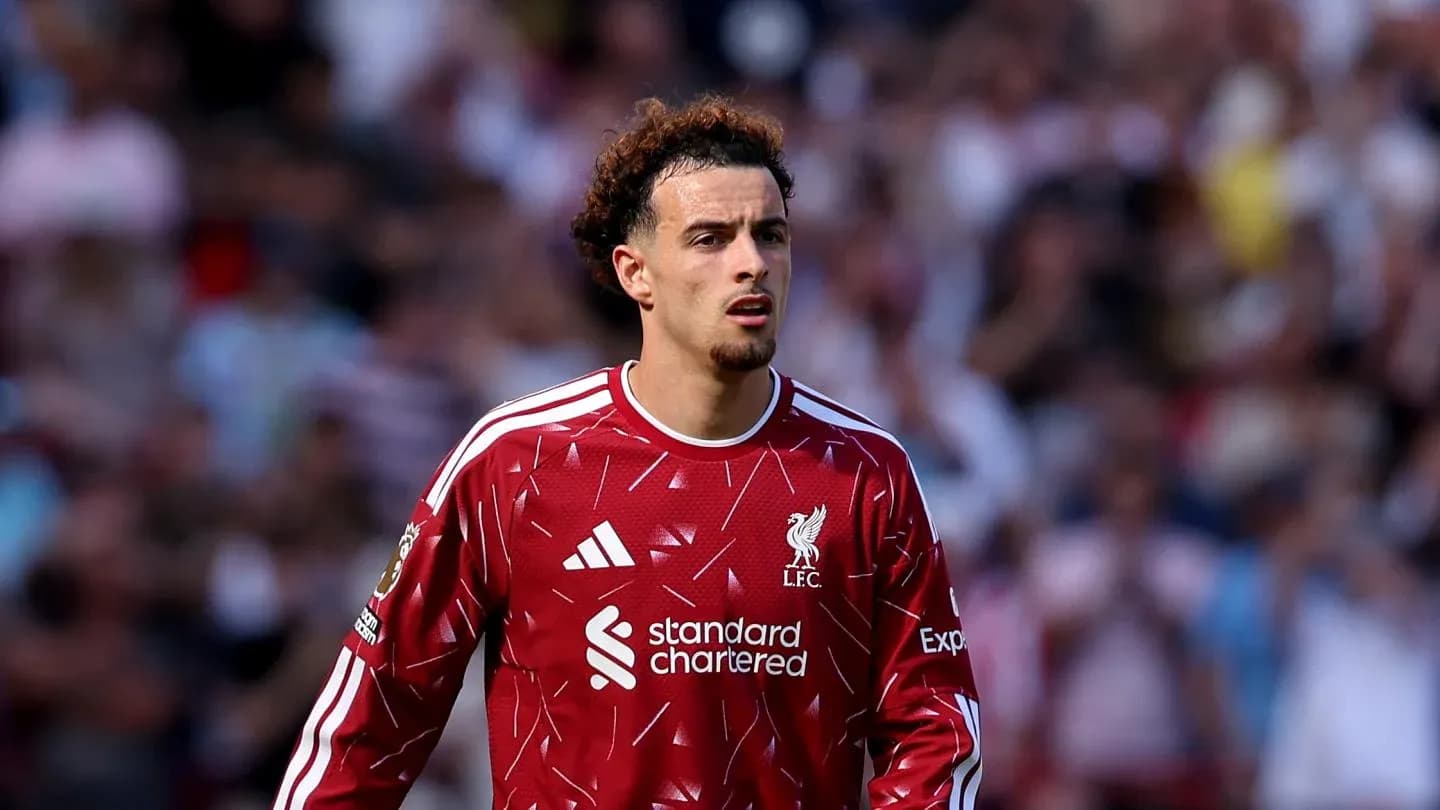
“The pair of them are unbelievable lads. They’ve won everything at the club, they’ve helped me from a kid, they’ve helped the whole of the team,” he said. The result might only have been a draw, but the stakes were bigger than the scoreline. “We qualified as well. So it was an emotional day. But at the same time, it was important for us, the club and the fans as well.”
Two careers, two very different influences. One legacy.
Salah led by example. No big speeches, no theatrics. Just relentless professionalism. First in the gym. Last out. A standard others either matched or got left behind by. When injuries hit, the support became personal. “There was obviously a time when I was struggling with injuries and stuff, and Mo let me use his personal physio and stuff on the outside. I respect him even more for that as well.” That kind of gesture doesn’t show up on any stat sheet, but inside a squad, it never gets forgotten.
Robertson’s role was different, more vocal, more direct. He was the one in the young lad’s ear, pushing, demanding, refusing to let talent go to waste. “He always said that the talent was there and the ability was there, but I had to work harder, and he was hard on me,” he admitted. At the time, it stung. “There were obviously times when I thought it was a little bit personal!” With age and perspective, the picture changed. “I knew it was always with love and that he wanted to see me do well.”
Two leaders. Two methods. One outcome: a generation raised on their standards.
Standards that can’t be allowed to drop
Those standards now form the line this squad cannot cross.
“From when I came in, the standards were obviously already set and you had to obey by the rules. You had to buy into what the lads stood by. That was working hard every single day… and you see it more as a family thing.”
That word – family – isn’t a throwaway line here. It’s the core of how the group sees itself. “It’s not just a football team – it’s more like a family,” he said. Ups, downs, trophies, bad runs, injuries, departures – the same faces to the left and right, in the worst weeks as much as the best. “It started with the likes of them lads now that are going to leave… when you look left and right, it is always those boys around in the hardest times, the lads are always there. In the good times, they’re there as well. It’s important that we carry it on now.”
Robertson and Salah walk away with medals and memories, but also with a responsibility handed down. The next group has to keep that line, that relentlessness, that togetherness. No excuses now.
A season that hurt – and a brother lost
Call it a “tough” season and it almost sounds too soft.
The campaign lurched. Strong starts, bad runs, recoveries that fizzled out. Momentum never settled. “It was up and down for the whole of the year,” he admitted. Results told one story. The dressing room felt another.
The biggest blow wasn’t tactical or technical. It was personal.
“We lost one of our brothers [Diogo Jota] – a big part of us,” he said, the emotion still there. Jota wasn’t just a finisher in the box. He was a presence every day. “He was a huge help every single day. He was unbelievable as a human being and was unbelievable as a player.”
On the pitch, there was a simple calculation: give him the ball, and he’d drag them out of trouble. “He was always a lad that I thought if I give him the ball, he’s going to go and score at the end and bail us out when we’re in a little bit of trouble and stuff.” Off it, he was a glue figure. Losing him cut deep. “I’m standing here now and I can feel it in me, I feel emotional when I speak about it and stuff.”
The team started well. Then the first bad run hit. They clawed their way back. Another slump followed. The pattern never fully broke. But through it all, one thing held.
“The important thing… that this club is huge by sticking as one. Our family and the fans are always there.”
That unity didn’t smooth over every flaw, but it did drag them to a finish line that looked in doubt at times: Champions League football, secured.
A reset and a challenge
Now comes the reset.
“Next year will be exciting again,” he said, and this wasn’t empty optimism. The new signings, once feeling their way into a demanding environment, now have minutes, scars, and context. “The lads that we’ve obviously bought have now played enough games that they feel that they’re a part of this as well. We’ll see the best of them.”
The instruction for what comes next is simple: strip away the baggage of this chaotic season and play with freedom. “Next season it should be great. We can put everything behind us and just go and enjoy it and go and play free.”
Champions League nights are back. Two giants of the dressing room are gone. A “brother” has been lost. The standards remain.
The question now is not whether this team can cope with change. It’s whether they can turn all that pain, all that guidance, all those farewells into the kind of season that doesn’t need explaining.