.svg&w=384&q=75 "Pitchgist logo")
Argentina Faces Hacking Allegations After Controversial Egypt Win
Argentina’s World Cup defence has lurched from the pitch to the inbox.
Hours after the reigning champions survived a stunning scare against Egypt, the Argentine Football Association (AFA) said it may have been the victim of a cyber attack, after emails sent from one of its official accounts appeared to denounce the team’s own victory as the product of “corrupt refereeing decisions”.
The messages, reported by Argentine outlet La Calle, were circulated to journalists in the wake of Argentina’s dramatic 3-2 comeback win in the last 16. They allegedly claimed “Argentina did not win” and suggested the result hinged on biased officiating, while also praising Egypt’s performance.
That is the opposite of the public line from Buenos Aires.
From 2-0 down to digital storm
On the field, Argentina had been staring at the exit door. Trailing 2-0 to Egypt and on the brink of a shock elimination, the world champions clawed their way back with a late surge to book a place in the quarter-finals. The comeback shifted the mood inside the stadium; the controversy that followed shifted it worldwide.
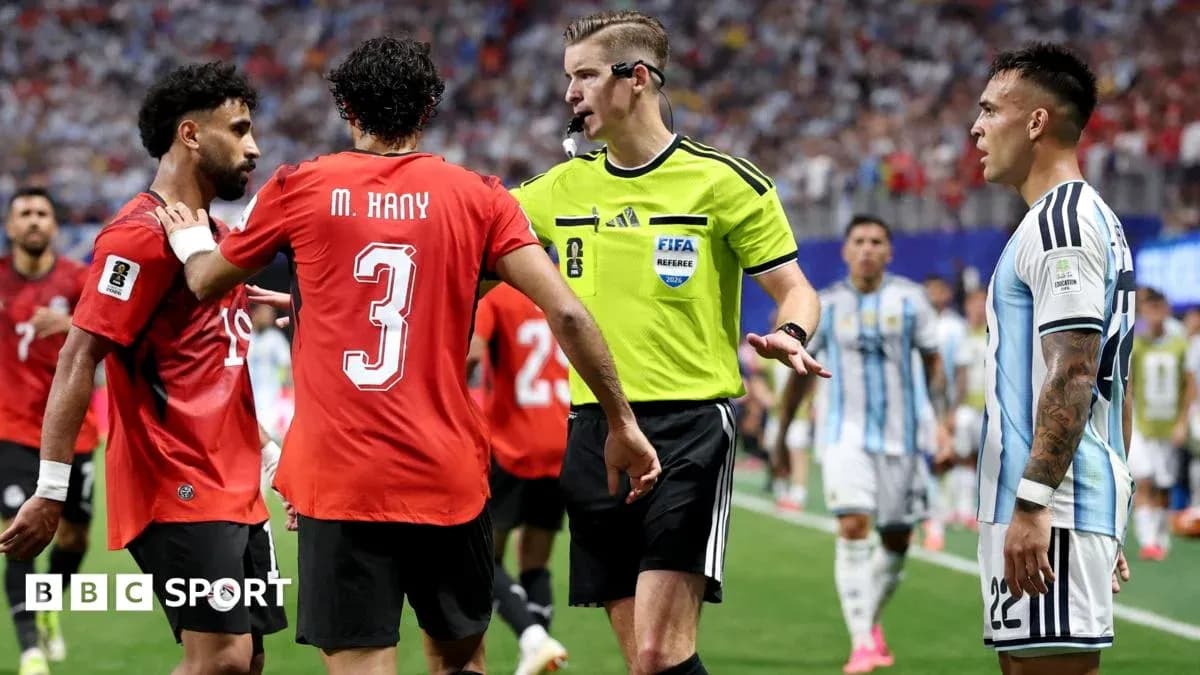
Egypt did not take the defeat quietly. The Egyptian Football Association formally asked Fifa to remove French referee Francois Letexier and his entire officiating team from the tournament, alleging they favoured Argentina during the tie.
As that complaint gathered pace, La Calle reported that emails from an AFA institutional account landed in reporters’ inboxes, echoing Egyptian anger and undermining Argentina’s win. The publication said AFA sources pointed to a group of hackers of Egyptian origin as the likely culprits behind the messages.
AFA moves to contain damage
The AFA quickly tried to slam the brakes on the story.
“We want to inform you that we have detected the possible sending of emails from one of our institutional accounts that were not generated or authorised by our team,” the association said in an official statement.
It urged recipients to treat any unusual communication with suspicion: “Dismiss any message that you have recently received from our account and that is unusual, especially if it contains links, attachments or requests personal information.”
The governing body stressed that it is investigating what it called “possible” unauthorised access.
“There is a possibility that our account has been subject to unauthorised access, so we are working to clarify what happened and adopt the necessary security measures,” the statement added.
Pressure on and off the pitch
The fallout leaves Argentina juggling two fronts. On one side, a quarter-final to prepare for after surviving a major scare. On the other, a digital dispute that has dragged the integrity of their win and the security of their communications into the spotlight.
Egypt have made their stance clear with their formal protest and calls for Letexier and his crew to be banished from the tournament. Argentina, for now, insist the inflammatory emails did not come from them.
The match is over. The argument — on refereeing, on hacking, on who really hit send — is only just beginning.