.svg&w=384&q=75 "Pitchgist logo")
Al Wasl U23 vs Al Jazira U23: Key Fixture for Upper-Mid-Table Positioning
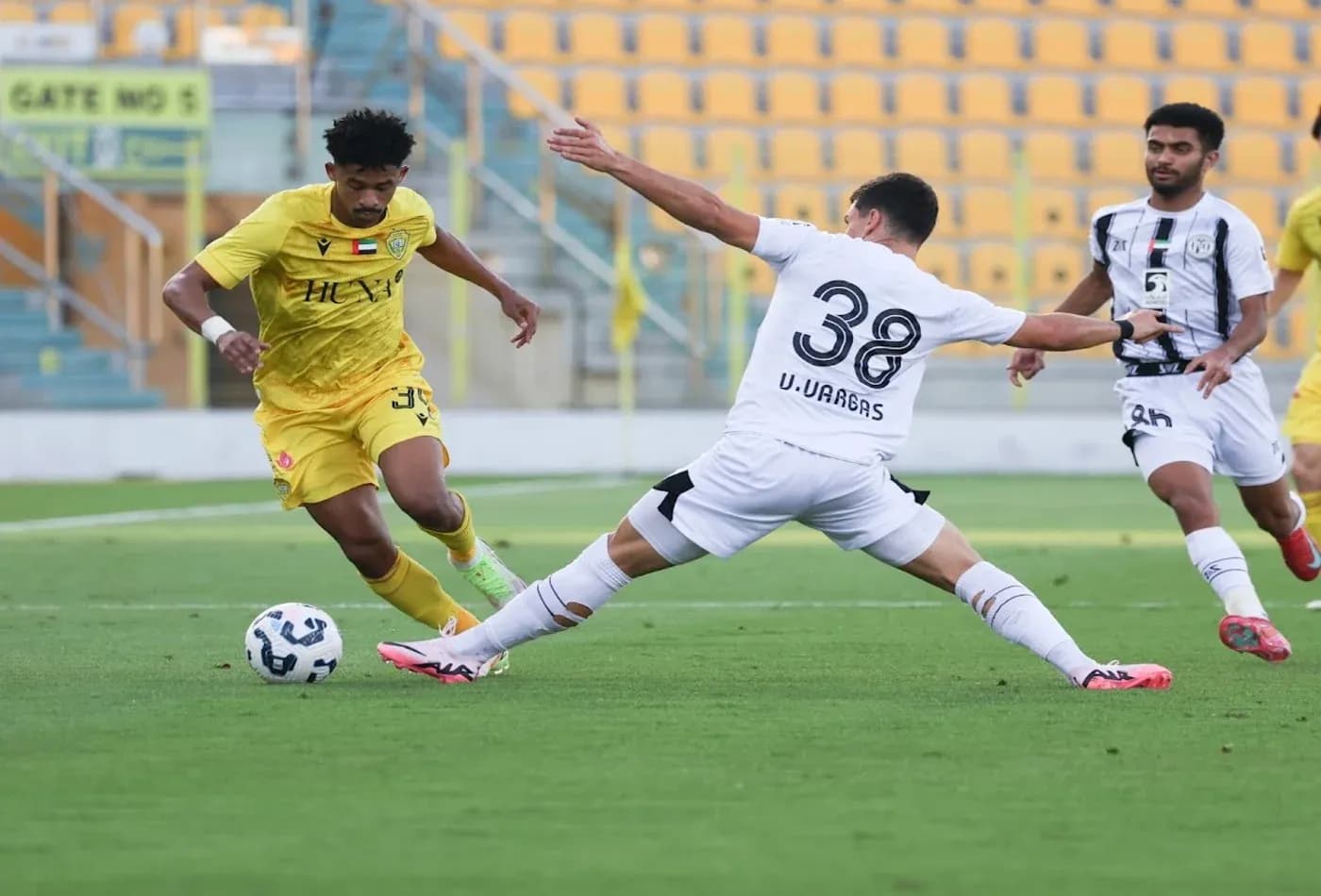
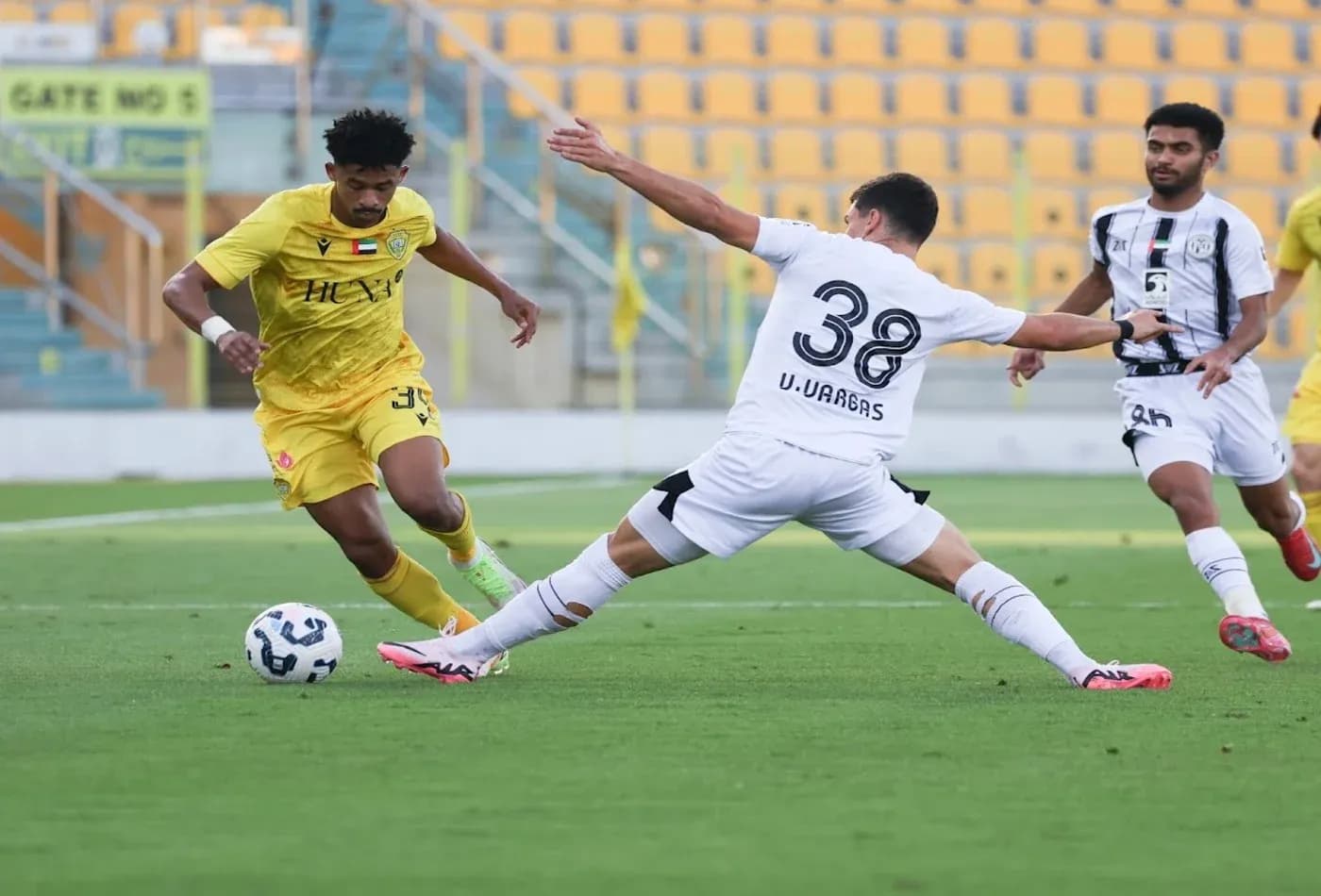
Al Wasl U23 host Al Jazira U23 in a late-regular-season Pro League U23 fixture that is effectively a direct battle for upper-mid-table positioning. In the league phase, Al Wasl U23 sit 5th on 36 points (39 goals for, 30 against), with Al Jazira U23 just behind in 7th on 34 points (47 goals for, 42 against). With only one round left after this (Round 25 of the regular season), the match carries clear weight for finishing order in the top half and potentially nudging towards the fringes of the leading pack rather than slipping into the crowded mid-table.
Head-to-Head Tactical Summary
The only recent meeting in the data between these U23 sides came on 18 January 2026 in the Pro League U23 regular season (Round 13), when Al Jazira U23, playing at home, beat Al Wasl U23 2-1. The half-time score is not available, but the full-time 2-1 to Al Jazira U23 underlines a narrow margin and suggests Al Jazira U23 were able to edge a high-event game where both attacks found ways through.
Global Season Picture
- League Phase Performance: In the league phase, Al Wasl U23’s profile is balanced: 36 points from 24 games, with 39 goals scored and 30 conceded, for a positive goal difference of +9. Al Jazira U23 have a more volatile profile: 34 points from 24 games, with a stronger attack (47 goals for) but a looser defense (42 against), leaving a goal difference of +5. The table confirms Al Wasl U23 as slightly more stable overall, while Al Jazira U23 trade control for firepower.
- Season Metrics: In the league phase, the team statistics confirm the same picture. Al Wasl U23 average 1.6 goals scored and 1.3 conceded per game (39 for, 30 against over 24), pointing to a relatively controlled, compact side that still carries threat. Al Jazira U23 average 2.0 goals scored but 1.8 conceded per game (47 for, 42 against), indicating a more open, high-variance approach. Card data is not populated, so disciplinary trends cannot be quantified from this dataset.
- Form Trajectory: In the league phase, Al Wasl U23’s recent form string of “DDLLW” shows a stalling trajectory: two draws followed by two defeats, then a single win. That pattern suggests inconsistency and a slight downward drift that the home side will be eager to correct. Al Jazira U23’s “WWWLD” run is far more positive: three straight wins, then a loss and a draw, reflecting an upward curve with an attack in rhythm but still some residual defensive fragility. Momentum therefore leans towards Al Jazira U23 coming into this fixture, despite their lower rank.
Tactical Efficiency
Across the league phase, Al Wasl U23’s efficiency is built on balance: their 1.6 goals scored versus 1.3 conceded per match supports a compact defensive structure that generally keeps games under control, even if it does not overwhelm opponents. Al Jazira U23’s 2.0 goals scored and 1.8 conceded per match point to a more aggressive, front-foot style that creates and allows chances in equal measure. Without explicit Attack/Defense Index values from the comparison data, the statistical contrast itself acts as a proxy: Al Wasl U23’s “index” is that of a slightly conservative, structurally sound side, while Al Jazira U23’s profile is that of a high-ceiling, high-risk team. The previous 2-1 win for Al Jazira U23 fits this pattern, where their attacking upside was just enough to overcome defensive leakage.
The Verdict: Seasonal Impact
This result will not decide the title or relegation, but it is significant for the upper-table hierarchy and for how both clubs will frame their 2026 outlook. A home win would likely cement Al Wasl U23 in the top five, validate their more controlled style, and halt a worrying “DDLLW” wobble, giving them a platform to argue that a more ambitious, top-4 push is realistic next year. A draw would broadly preserve the current order but feel like a missed opportunity for Al Jazira U23, who arrive with better momentum and a more explosive attack. An Al Jazira U23 away win, however, would probably flip the positions, underline their attacking model as a viable route to climbing the table, and send a clear signal that they can convert strong form (“WWWLD”) into a sustained top-half, possibly top-4, challenge in the next campaign. In short, this is a placement-defining fixture that will shape how each club’s U23 project is judged heading into 2026, more as a springboard to the top than a battle for survival.