.svg&w=384&q=75 "Pitchgist logo")
Africa’s 2026 World Cup Journey: Underdogs, History, and Heartbreaking Late Goals
Africa’s Largest Representation at the 2026 World Cup
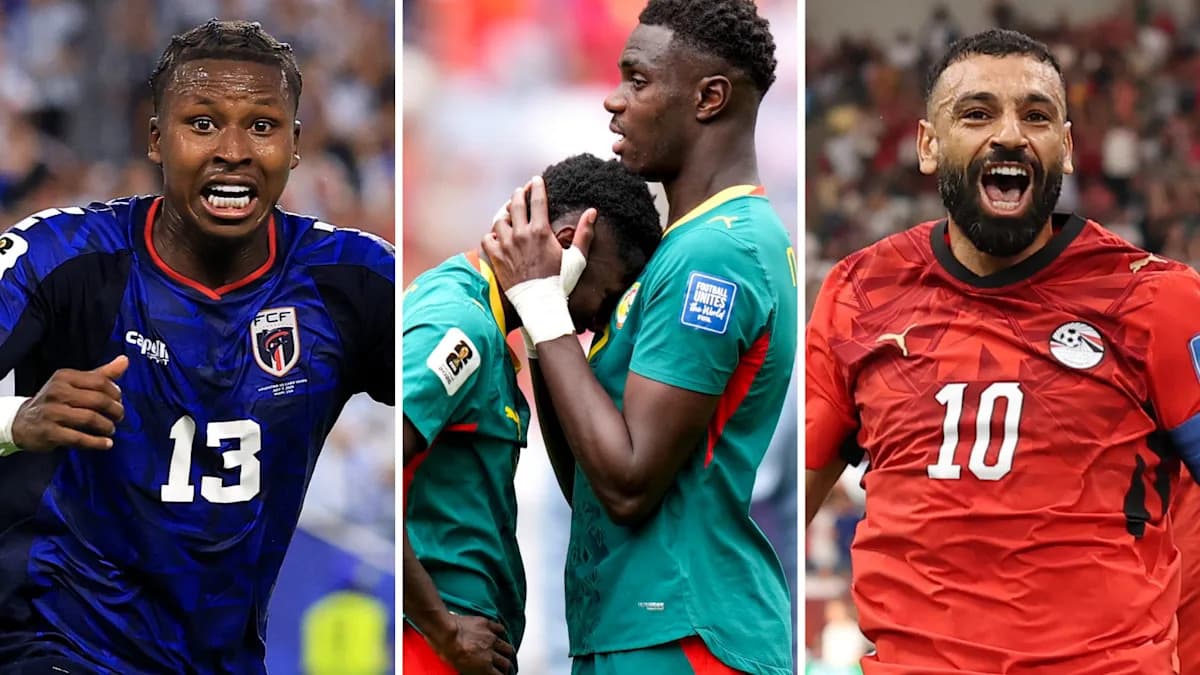
The 2026 World Cup featured Africa’s biggest squad ever, with 10 teams competing. Yet, success was mixed. Five African sides were knocked out by goals scored in the final moments, while debutants Cape Verde stole attention with their impressive run.
Patrice Motsepe, head of the Confederation of African Football (Caf), praised the continent for making its 1.6 billion people proud after nine nations advanced to the knockout rounds. Still, only Morocco reached the quarter-finals, ending their journey after conceding late goals, a fate that hit several other teams too.
New Milestones for African Teams
Egypt and DR Congo celebrated their first-ever World Cup wins. Cape Verde, Ivory Coast, and South Africa also progressed beyond the group stage for the first time. As Africa prepares to co-host the 2030 tournament with Spain and Portugal, lessons from this expanded 48-team event could prove valuable.
Cape Verde’s Remarkable Debut
The biggest story came from underdogs Cape Verde. The Blue Sharks made it to the round of 32 after draws against giants like Spain, Uruguay, and Saudi Arabia. Their near-upset of reigning champions Argentina was thrilling—they twice fought back from behind before narrowly losing 3-2 in extra time.
Goalkeeper Vozinha became an instant icon, making numerous standout saves that skyrocketed his Instagram followers from 50,000 to over 29 million. His sudden fame even inspired a newly discovered sea slug species to be named after him.
"We’ve put ourselves on the map," defender Roberto Pico Lopes said. "We’re a small nation but with big hearts, showing what’s possible when you believe."
Morocco’s Continued Quarter-Final Presence
Morocco remained Africa’s top team, becoming the first African nation to reach back-to-back World Cup quarter-finals. Though they couldn’t surpass their semi-final run from 2022, the squad showed growth under coach Mohamed Ouahbi. Rising star midfielder Ayoub Bouaddi drew attention from major European clubs during the tournament.
Ouahbi commented, "We have a young team eager to grow, full of talent that will push us forward."
Late Goals Haunt African Teams
Several African sides suffered heartbreak by conceding crucial goals in the dying minutes. Senegal blew a 2-0 lead against Belgium, losing 3-2 after Belgium scored the latest goal in World Cup history at the 125th minute. Egypt similarly lost a 2-0 advantage against Argentina, falling 3-2 after a 92nd-minute header.
Other teams like DR Congo, Ivory Coast, and South Africa also conceded winners in injury time. Algeria and Ivory Coast let slip group stage leads through late goals, raising questions about Africa’s ability to close out matches.
Dr Nikita Rowley, a sports psychologist, explained, "Fatigue—both physical and mental—makes mistakes more likely late in games. Pressure builds as historic moments approach, increasing the psychological challenge."
Growing Pains and Experience Gaps
The World Cup expansion gave Africa nine guaranteed spots, plus DR Congo qualifying via playoffs. Most teams advanced past the group stage, but the gap in experience remains clear. Gambian coach Mattar M Boge highlighted that many African players lack exposure to high-pressure matches compared to Europeans or South Americans, who benefit from competitions like the Nations League.
"As African football grows and gains experience, teams will become more accustomed to handling these responsibilities," Boge said.
Disappointments and Challenges
Tunisia struggled badly, firing coach Sabri Lamouchi after a heavy 5-1 loss to Sweden in their opener. New coach Herve Renard couldn’t reverse fortunes, with Tunisia suffering 4-0 and 3-1 defeats to Japan and the Netherlands.
Ghana reached the knockouts for the first time since 2010 but failed to register a single shot on target in their last-32 loss to Colombia. Their defensive approach under Carlos Queiroz drew criticism, with Ghana having one of the tournament’s lowest shot totals.
Off-Field Obstacles
The tournament also exposed visa and access issues for African fans and officials. Supporters from Ivory Coast and Senegal faced visa denials or restrictions. Some countries, including Algeria and Tunisia, were initially asked for large deposits to secure travel visas.
Somali referee Omar Artan was denied entry despite proper paperwork, missing the finals but later officiating the UEFA Super Cup. FIFA faced criticism over these incidents and other controversial disciplinary decisions involving African players.
Looking Ahead
FIFA president Gianni Infantino has suggested expanding the World Cup to 64 teams, which would increase Africa’s representation further. Despite the milestones, African teams still face slow progress in matching the world’s best.
Some firsts were achieved, but closing out games and gaining experience in high-pressure situations remain challenges to overcome. The 2026 World Cup offered hope and heartbreak in equal measure for African football.