.svg&w=384&q=75 "Pitchgist logo")
Walid Ouahbi's Frustration After Controversial Match Against France
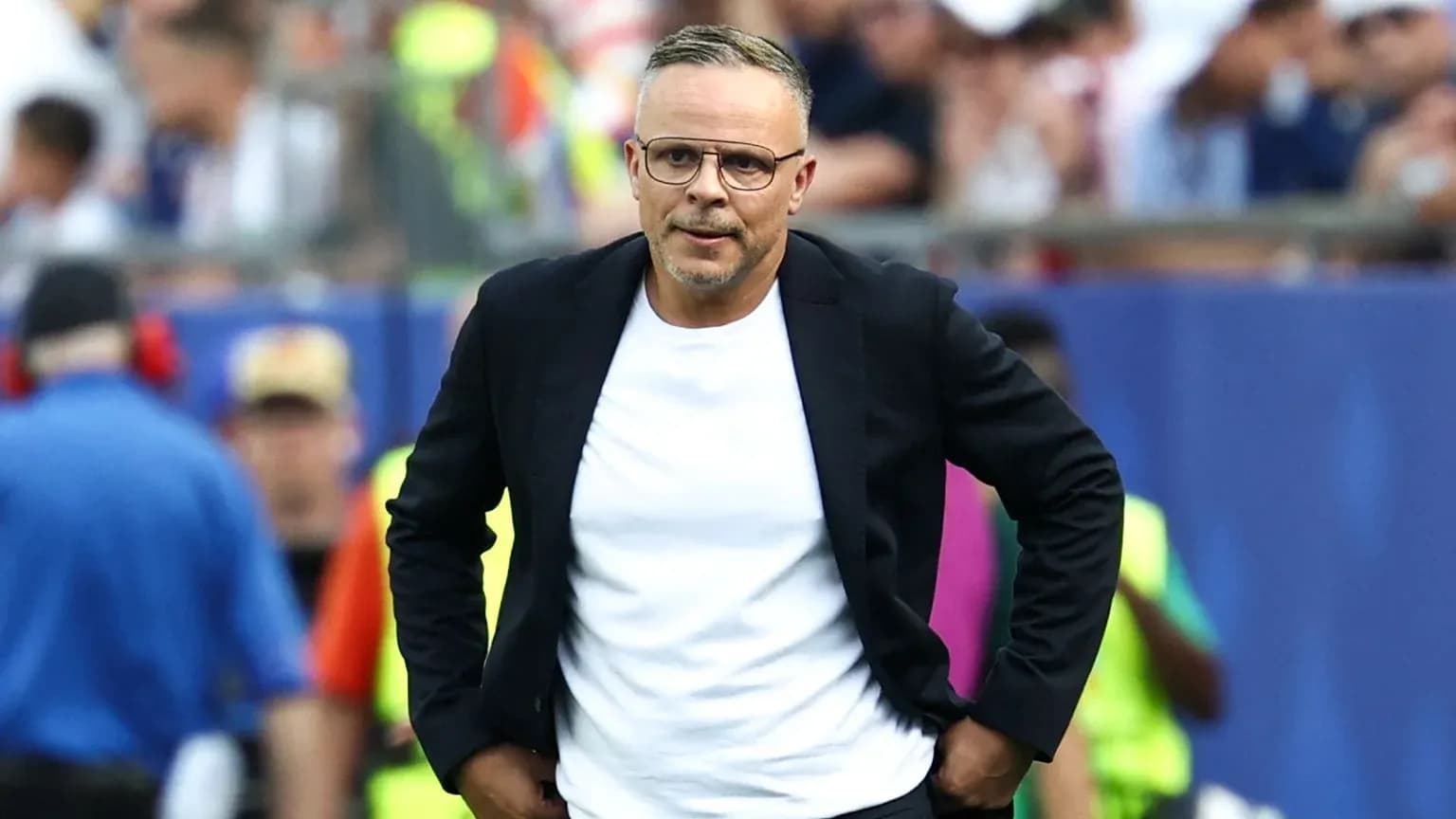
Walid Ouahbi left the pitch with the look of a man who felt the contest had tilted on a single, avoidable moment.
The Morocco coach’s anger was aimed squarely at referee Facundo Tello after France’s opener was allowed to stand, a goal he believed should never have survived the first replay. In his eyes, the move had been tainted before Kylian Mbappe ever flashed the ball into the net.
Ouahbi argued that Adrien Rabiot had clearly handled the ball in the build-up, a touch that froze several Moroccan players as they waited for a whistle that never came. France played on. Mbappe punished the hesitation. The scoreboard moved, and so did the tone of the night.
“The goal came from a bit of a… shared ball, some people stopped because they saw a handball,” he told beIN Sports, still weighing his words. “It was a handball, I don’t know if it should have been called or not, I don’t know.”
That frustration simmered beneath everything he said, yet he refused to let it become an excuse or a shield. Once the controversy was parked, Ouahbi turned to the hard truths of the performance and the gulf in front of them.
“We have to admit that we played against a very good team,” the 49-year-old admitted. Morocco were pinned back for long stretches of the first half, forced to cling on as France pressed and probed. Yassine Bounou kept them alive with a superb save from the penalty spot, a moment that briefly shifted the mood and gave the underdogs something to cling to.
The pattern changed after the interval. Morocco stepped higher, passed with more conviction, and finally looked like a side willing to contest the midfield rather than simply survive it.
“In the second half, we defended better and, above all, we were more composed with the ball. We were much better,” Ouahbi said. The contrast was stark in his mind. “In the first half, it seemed like some players were catching their breath. We saw that these same players started the second half well.”
That late surge, though, came at a cost. Legs grew heavy, decisions slowed, and the closing minutes turned into a test of nerve and stamina as much as skill. Morocco pushed, but France held. The effort, not the result, became Ouahbi’s reference point.
“It was tough at the end, but I believe we must continue to believe, to work,” he insisted. His focus moved quickly from the night’s injustice to the broader project. The squad, he knows, cannot depend on the same core players to carry every battle.
“We must also continue to work on the basics, ensuring that when there are injuries, players who are less fresh, we can have a larger pool of players. We will continue, we will not stop here.”
The disappointment, he made clear, runs deep. Morocco felt they had more to give, more to take from this tie, and the sense of an opportunity slipping away will not vanish overnight.
“We are very disappointed, we wanted more, but we have to accept it.”
Acceptance, though, does not mean surrender. For Ouahbi, this contentious night against France becomes something else now: a reference point, a grievance, and a benchmark for the team he insists is still climbing.