.svg&w=384&q=75 "Pitchgist logo")
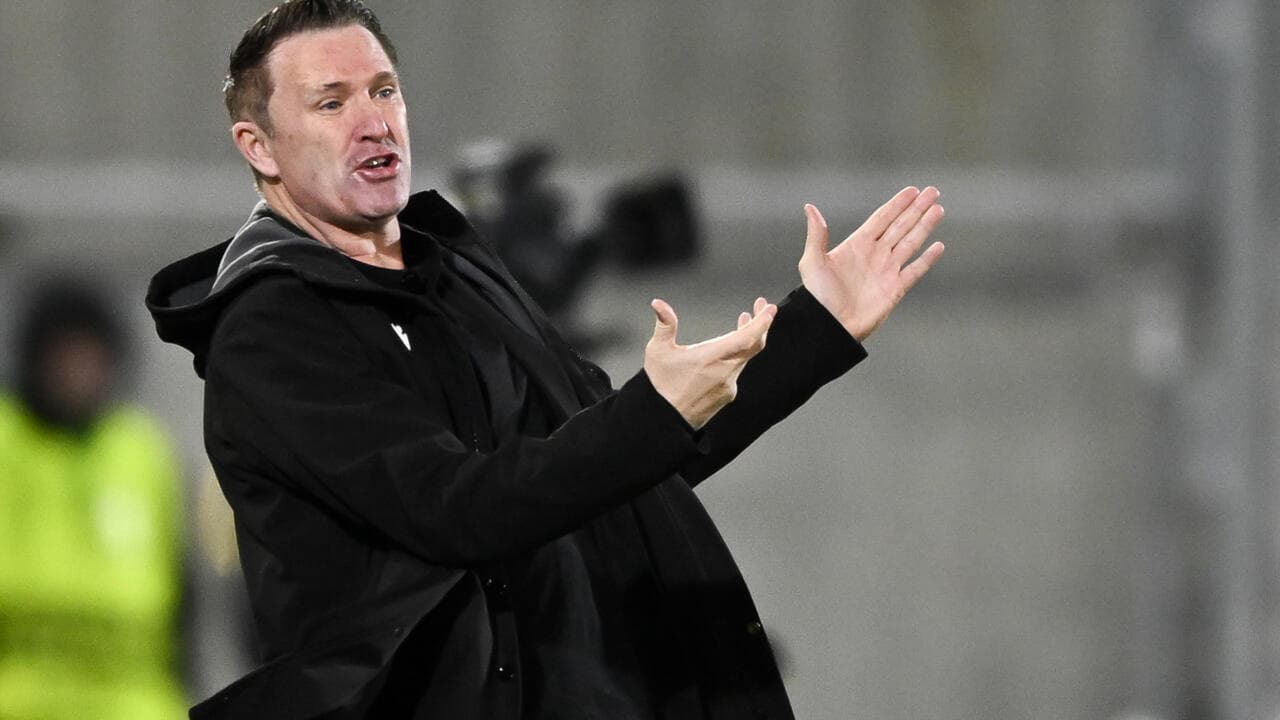
Robbie Keane's Controversial Potential Return to Celtic
Robbie Keane’s possible return to Celtic has ignited a storm long before any contract is signed.
The former Republic of Ireland captain, now the leading contender to take over the Scottish champions after entering talks with principal shareholder Dermot Desmond, finds himself at the centre of a clash between football ambition and political conviction.
From loan hero to lightning rod
Keane’s history with Celtic should have made this a straightforward romance. In 2010, he arrived on loan and did exactly what the club expected: score goals, and plenty of them. Ireland’s record goalscorer left a strong footballing imprint and retained a warm place in the memories of many supporters.
That affection has been badly eroded.
His decision to remain in Israel as manager of Maccabi Tel Aviv after the conflict in Gaza erupted drew fierce criticism in Ireland and, crucially, hardened opposition among a vocal section of the Celtic support. At a club where politics and identity have never been far from the surface, that choice has become the defining detail of his candidacy.
A fanbase drawing its own line
Celtic Park has been a sea of Palestinian flags throughout the conflict, a visual statement of solidarity that has become part of the club’s modern image. Now, that same energy has turned inward.
Graffiti and banners opposing Keane’s potential appointment have appeared outside the stadium in Glasgow, a blunt message to the board about where many fans stand. This is not a quiet murmur of discontent; it is organised, public and growing.
A group calling itself “Celtic Fans for the Liberation of Palestine” issued a statement warning that hiring Keane “would be deeply divisive among the support”. The “North Curve Celtic” account on X went further, publishing a list of 67 groups said to have endorsed the message, underlining how broad the resistance has become.
“Celtic supporters have a long and proud history of solidarity with the Palestinian people,” the statement said, framing the issue as one of club identity rather than a simple managerial preference.
“For us, Robbie Keane’s decision to manage Maccabi Tel Aviv during the genocide in Gaza is impossible to ignore.
“To choose to manage a club in Israel while, less than 40 miles away, the same country was using indiscriminate weapons of mass murder against defenceless people is unconscionable.
“Celtic was founded by a community shaped by the legacy of genocide, displacement and famine. Our club’s roots lie in solidarity with those who suffered injustice and oppression.
“We urge the Celtic board to listen to supporters’ concerns and reconsider this appointment.”
The language is stark. So is the challenge to the hierarchy.
Keane’s timeline, and his defence
The timeline matters. Keane took the Maccabi Tel Aviv job in June 2023, months before the Hamas-led attacks of October 7 and the subsequent Israeli bombardment of Gaza. He stayed through the turmoil, guiding the club to a league and cup double before resigning in 2024 and then moving on to Hungarian side Ferencvaros in 2025.
He has explained that he remained in Israel in part out of responsibility to the staff he had brought with him.
“I have a duty of care,” he said. “My analyst, for example, was at Middlesbrough for 12 years. For him to come with me to Israel and then for me to just walk away, leaving him and his family.”
For Keane, it was about loyalty and leadership in a difficult environment. For many Celtic fans, it was about something else entirely. That gap in interpretation now hangs over any potential appointment.
A board caught between trophies and turbulence
On the pitch, the handover could hardly be more delicate. Interim boss Martin O’Neill, 74, stepped back into the technical area and did what serial winners do: he delivered. Celtic snatched the Scottish Premiership title on the final day of the season and added the Scottish Cup for good measure.
The club stands as domestic champions again, but also at a crossroads.
Keane offers a familiar name, a proven goalscoring legend with recent managerial success and a profile that fits the scale of Celtic’s ambitions. Yet the protests outside the stadium, the coordinated statements and the deep emotional pull of the Palestinian cause within the support all point to a decision that would reverberate far beyond the dressing room.
This is no routine managerial search. It is a test of how far a club rooted in social and political identity is prepared to stretch that heritage in pursuit of footballing continuity and success.
The board now has to decide: is Robbie Keane the man to lead Celtic, or the flashpoint that tears open a fault line running right through the heart of the club?